Table of Contents Show
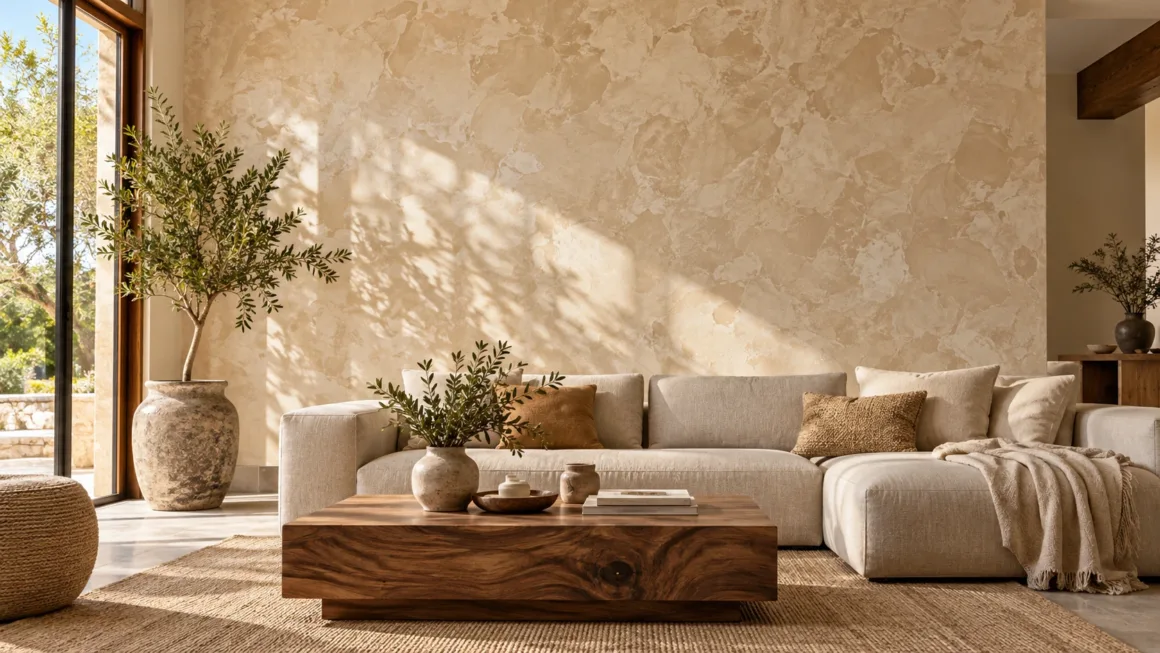
Flat drywall strips a room of architectural depth. Residential design shifts toward tactile surfaces mimicking natural stone, raw concrete, and historic plaster. Soft tonal shifts build visual depth without high-gloss paint finishes. This shift makes limewash wallpaper a practical upgrade for interiors requiring understated texture.
A limewash-inspired surface provides a sophisticated, mottled background. The finish responds to changing daylight and casts micro-shadows across the wall profile. It supports the surrounding architecture without dominating the visual space.
Design Takeaway: Limewash-inspired wallcoverings deliver the cloudy, organic depth of traditional Mediterranean plaster while bypassing the rigorous maintenance, mineral priming, and chalking issues associated with raw calcium hydroxide paints.
Traditional Limewash Paint vs. Engineered Wallcoverings
Traditional liquid limewash consists of crushed limestone baked at high heat and mixed with water to form lime putty. Applied to a wall, it absorbs carbon dioxide from the air, curing into a hard limestone surface. This chemical process creates the irregular appearance recognized in historic Mediterranean architecture.
Authentic limewash presents distinct maintenance challenges in modern drywall homes. Raw lime paint requires specific mineral-based primers, takes multiple coats to build opacity, and leaves a chalky residue that rubs off on clothing or furniture. Moisture contact leaves permanent water spots on unsealed lime.
High-grade textured wallcoverings solve these physical limitations. Modern manufacturing reproduces the sense of depth and organic variation through advanced rotogravure printing on non-woven substrates. Homeowners achieve the soft, mottled quality of historic plaster while maintaining a clean, wipeable, and stable surface engineered for active households. The Wallcovering Installers Association (WIA) recommends non-woven substrates for high-traffic residential zones where raw lime paint degrades over time.
| Feature | Raw Limewash Paint | Limewash-Inspired Wallcovering |
|---|---|---|
| Substrate Preparation | Requires specific mineral primer on modern drywall. | Standard wall sizing and clear adhesive. |
| Installation Time | Multi-day process requiring wet brushing to prevent rigid lines. | Single-day hanging process with instant visual results. |
| Durability & Touch | Chalky finish rubs off on contact; zero washability. | Sealed non-woven face resists abrasion; wipeable surface. |
| Color Consistency | Unpredictable curing process alters final dry color. | Exact batch color matching from the manufacturer. |
Texture Replaces Loud Prints in Modern Interiors
Past residential wallpaper served as a vehicle for aggressive decorative prints: oversized florals, rigid stripes, or repeating damask motifs. Current interior styling takes a quieter approach.
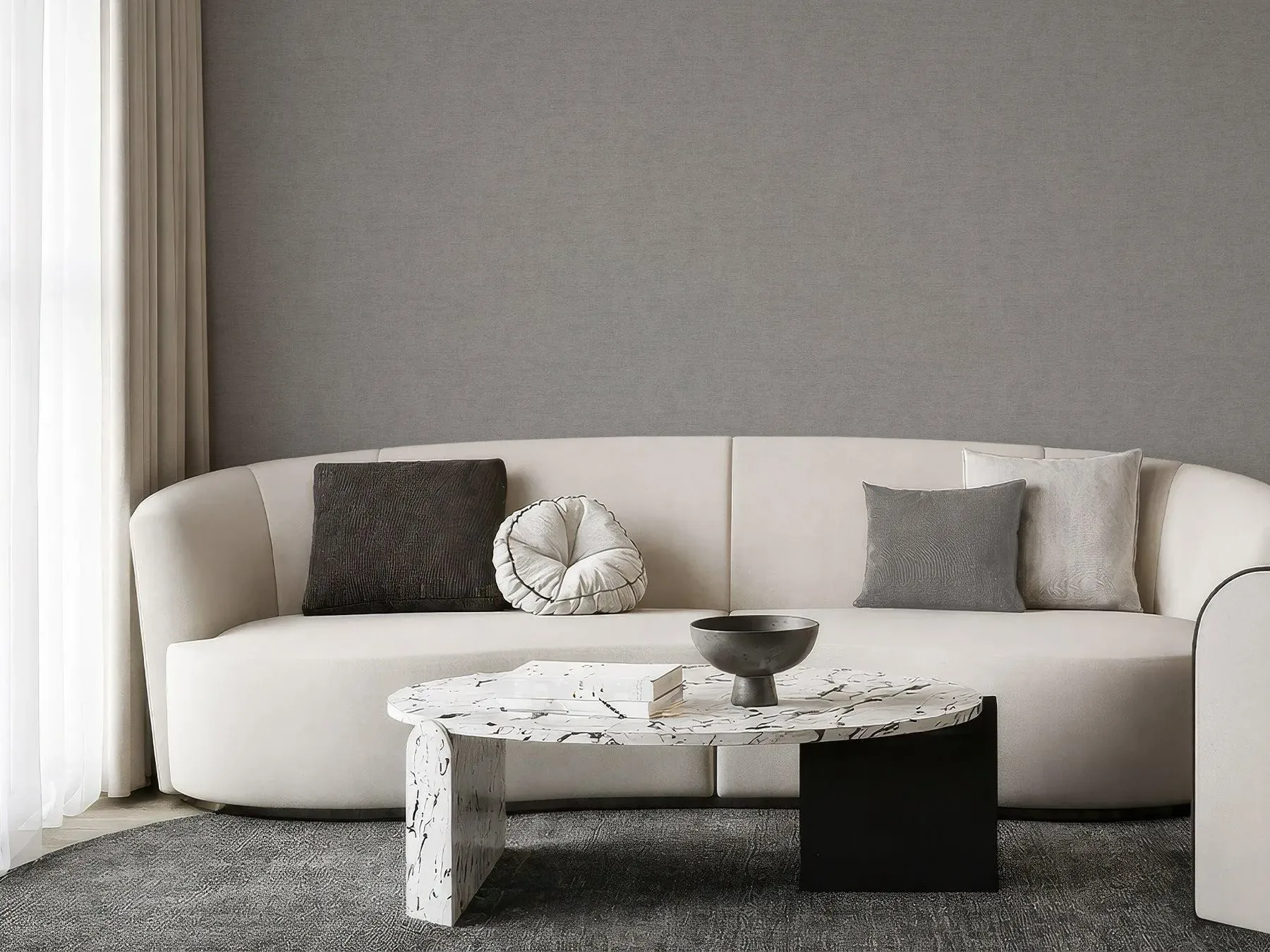
Designers use surface texture to generate visual interest in place of prominent patterns. Plaster-inspired and crosshatch effects allow walls to contribute raw character without competing against statement furniture or curated artwork collections. This strategy proves effective in monochromatic and neutral spaces.
A living room executed in all beige, taupe, or warm gray feels rich and layered when each material reflects light at different angles. Pairing a matte textured wall against a polished marble fireplace surround creates dynamic contrast within the exact same color family.
Selecting the Proper Tonal Range
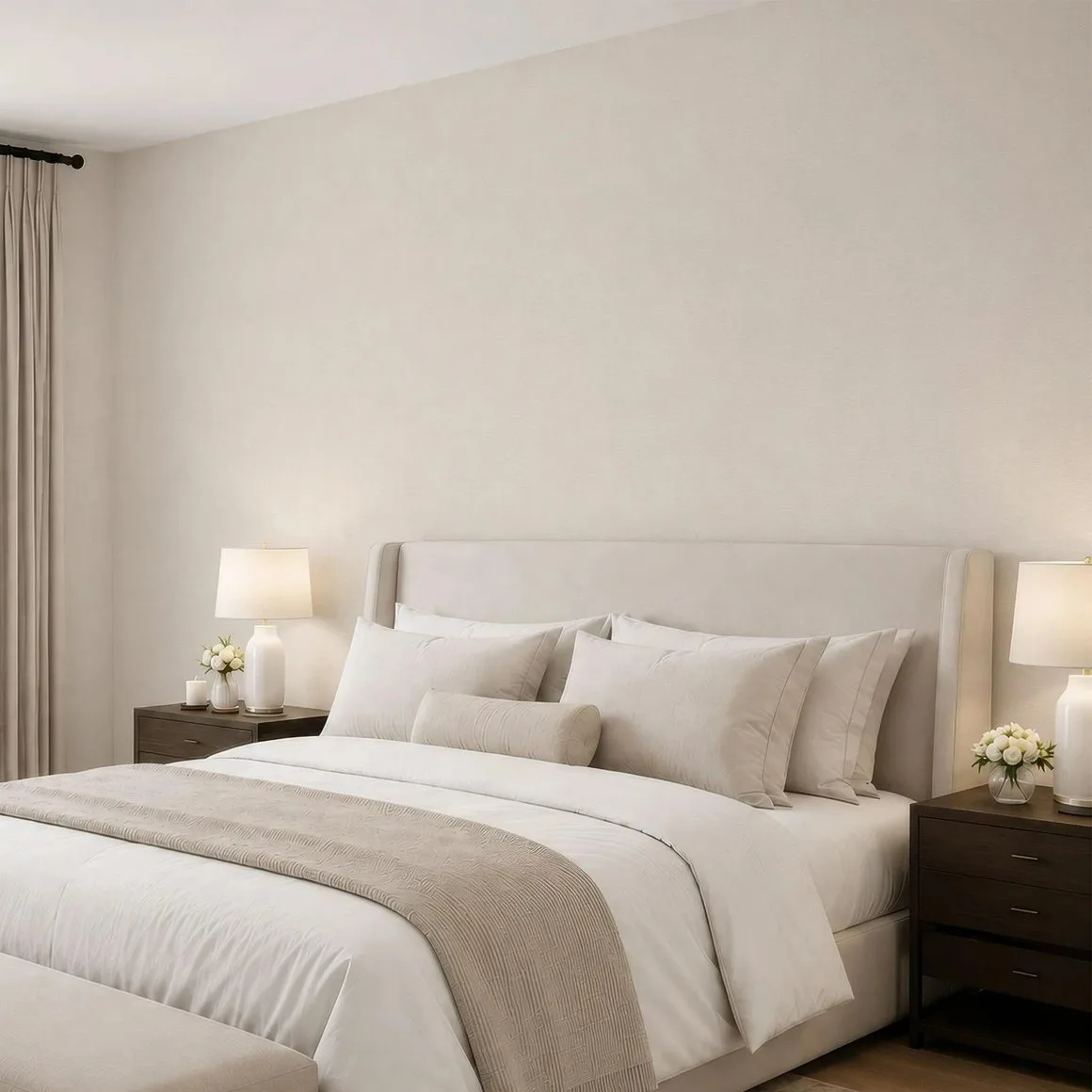
The base color of a textured wall dictates the thermal feeling of the room. Modifying the shade transforms the entire architectural atmosphere.
- Warm Beige and Sand: These tones create a relaxed environment. Sand colors bridge the gap between stark white ceilings and mid-tone oak floors, working in tandem with raw linen and warm stone surfaces.
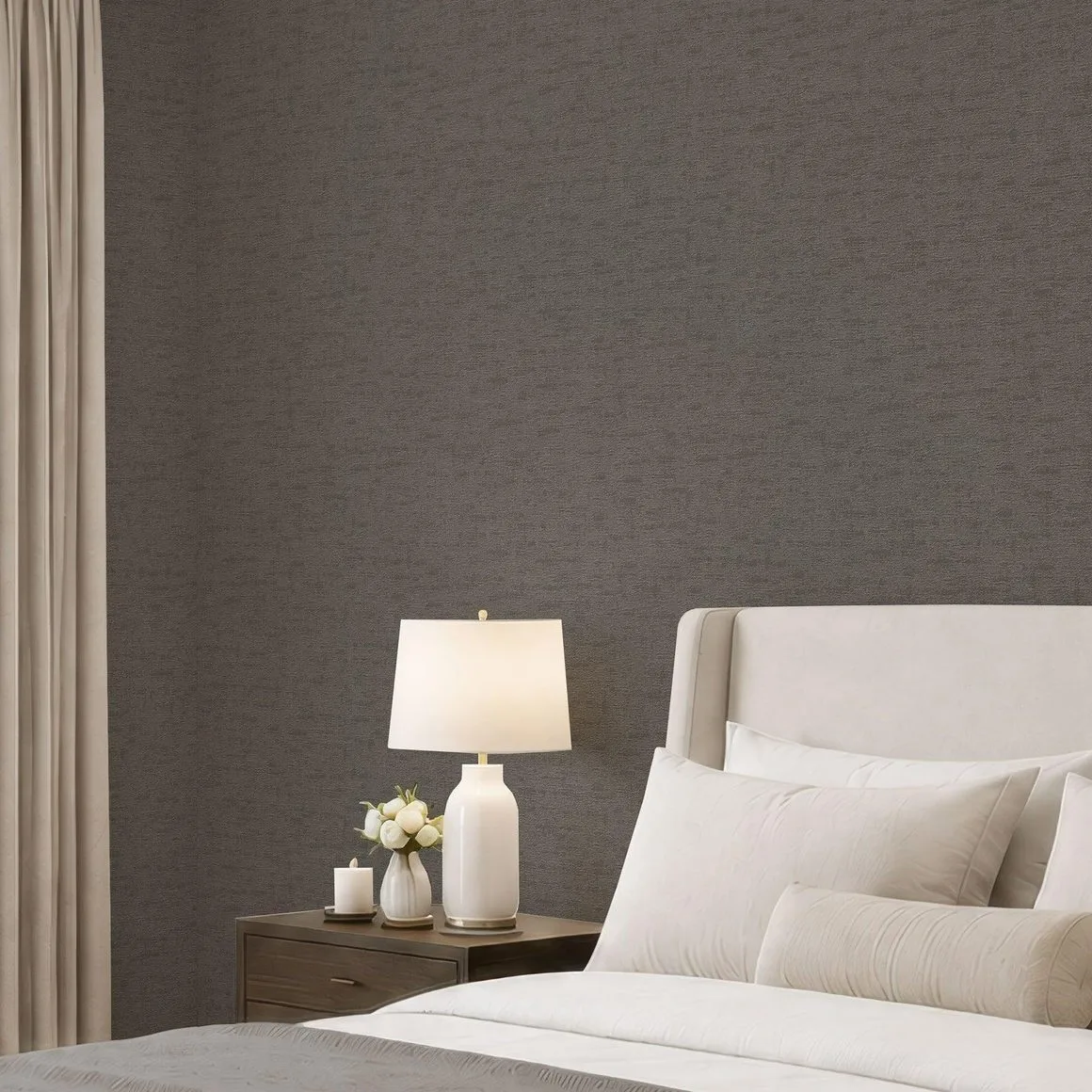
- Greige and Taupe: A balance of gray and beige offers a contemporary neutral palette. Taupe walls frame modern minimalist furniture and matte black hardware without feeling sterile.
- Cool Concrete Gray: Cooler variations emphasize a brutalist or industrial architectural effect. Gray plaster effects pair well with exposed steel girders, glass partitions, and poured concrete floors.
- Deep Earthy Pigments: Saturated terracotta, forest green, or charcoal make a surface dramatic. Darker hues highlight the cloudy imperfections and mineral-like character of the finish.
Coordinating Wall Textures with Furniture Profiles
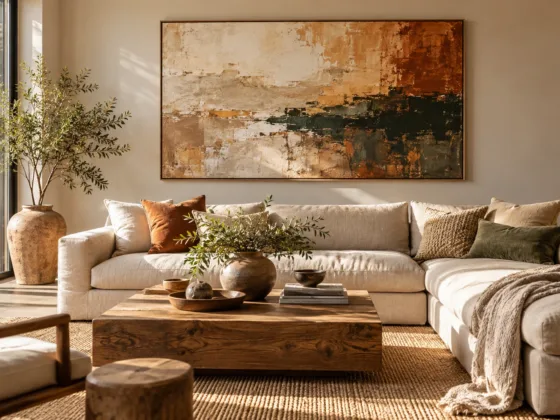
Limewash-inspired walls demand deliberate furniture pairings. Because the wall mimics natural mineral imperfections, it coordinates best with organic materials.
Heavy-grain walnut, rift-sawn white oak, and tumbled travertine reinforce the raw character of the room. Leather armchairs, wool rugs, and matte ceramics introduce necessary tactile layers. Shiny synthetics clash against the muted, earthy nature of the wall finish, making high-gloss lacquered furniture or mirrored cabinets poor choices.
Building a cohesive layout requires aligning seating choices with architectural finishes. Readers planning a broader room update can study the elements of interior design to match sofas and accent chairs to textured wall profiles.
Expanding the Finish Beyond Accent Walls
Bold geometric wallpaper remains restricted to single feature walls to prevent visual overload. Limewash effects operate under different rules. Because the tonal variation remains restrained, wrapping an entire room in a textured finish creates an immersive, cohesive environment.
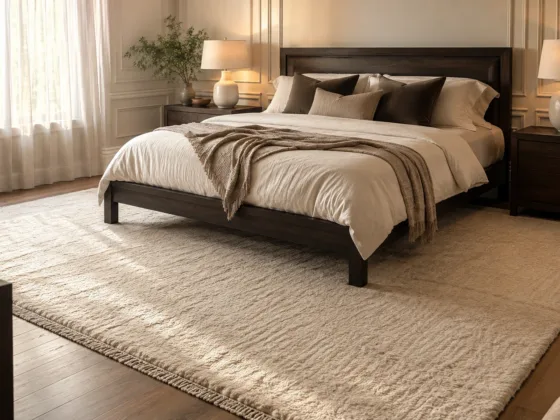
Bedrooms benefit from this continuous application. Soft wall textures absorb light, eliminate harsh drywall reflections, and establish a calm sleeping atmosphere. Homeowners seeking to transform a bedroom into a tranquil retreat use full-room textured wallcoverings to ground the space before adding heavy drapes and upholstered headboards.
Covering all four walls delivers a far superior architectural impact compared to a single accent wall, even in open-concept floor plans.
Artificial and Architectural Lighting Considerations
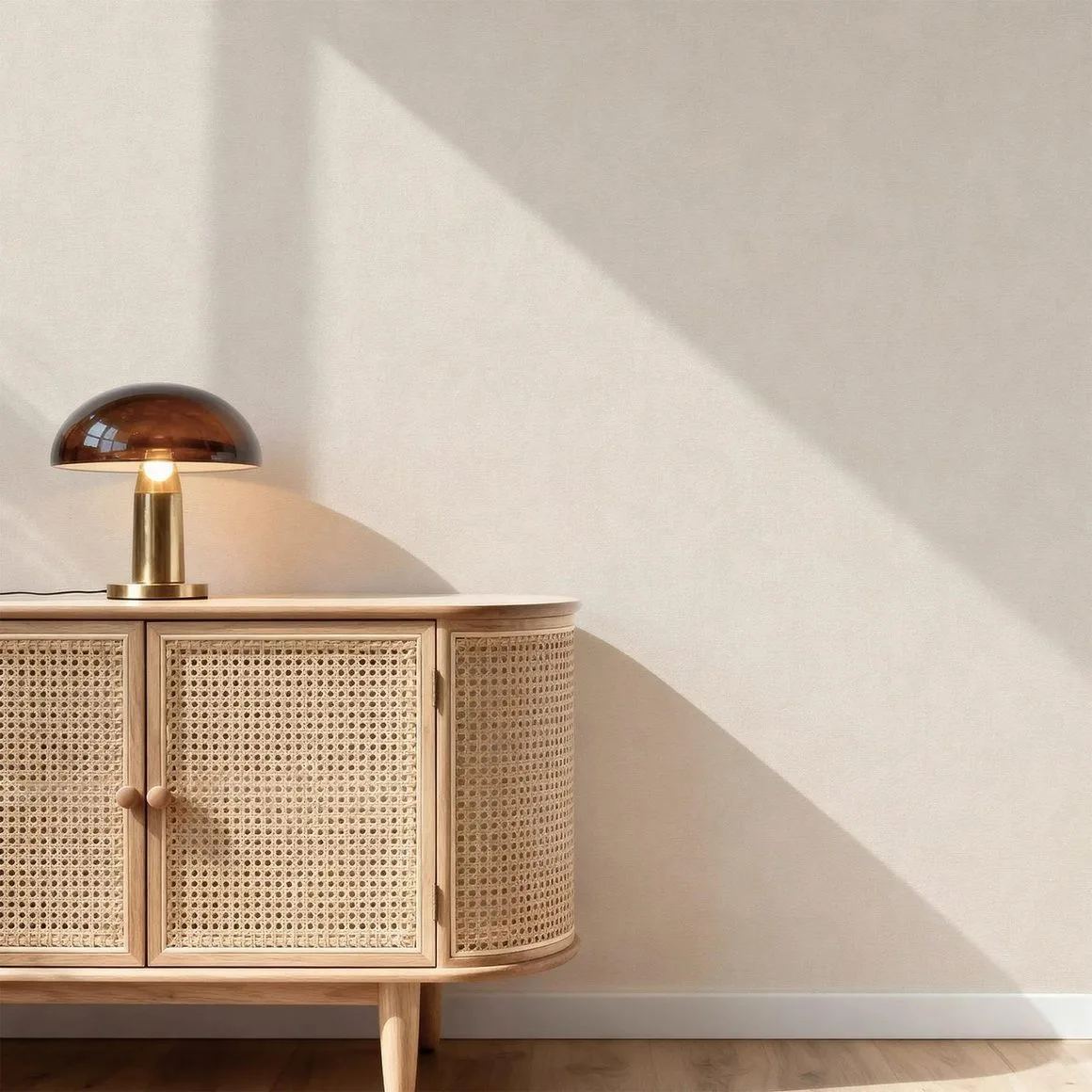
Texture requires directional light to reveal its depth. A flat, uniform ceiling light washes out the mottled shadows that give a limewash-inspired wall its character.
Wall-grazing light fixtures—such as low-profile sconces, recessed floor uplights, or picture lights—cast beams parallel to the wall surface. This grazing angle catches the high points of the texture while leaving the low points in shadow, emphasizing the dimensional variation. LED bulbs with a warm 2700K color temperature deepen beige and earthy shades during evening hours.
Treat the wall surface as an active design component. Combining premium wallcoverings, solid wood furniture, organic textiles, and precise lighting angles gives the entire room a refined, custom-built appearance. Implementing home decorating ideas focused on architectural lighting ensures the texture remains visible long after sunset.
Frequently Asked Questions
Does limewash wallpaper require a special primer before installation?
Unlike raw limewash paint, which requires a specific mineral-based primer to bond to modern drywall, limewash-inspired wallcoverings install using standard wallpaper sizing and heavy-duty clear adhesive. Verify your drywall is smooth and primed with a standard acrylic wallcovering primer before hanging.
Can I wipe down or clean a limewash-inspired wall?
Yes. Traditional lime paint is porous and chalky, meaning water leaves permanent spots and wiping removes the pigment. High-quality non-woven limewash wallcoverings feature sealed surface faces that resist moisture, allowing you to wipe away dust and light scuffs with a damp microfiber cloth.
Should I use limewash effects on an accent wall or the whole room?
Because the pattern lacks hard geometric shapes or loud colors, wrapping all four walls in a room creates a calm, cohesive architectural feel. While accent walls work well behind a bed or fireplace, full-room application delivers the most authentic plaster aesthetic.
Does textured wallpaper hide uneven drywall?
Heavy non-woven substrates hide minor drywall imperfections, small indentations, and sanding scratches better than flat paint. However, severe drywall flaws or heavy orange-peel textures will telegraph through the paper. Sand the wall smooth before installation for the best results.
Author & Editorial Review
Author: Perla Irish serves as Content Manager at DreamlandsDesign. Drawing on extensive experience in residential layout planning, surface materials, and interior styling, she helps homeowners navigate spatial design, tactile material selection, and practical decorating strategies.
Editorial Review: This guide was reviewed by the DreamlandsDesign editorial team for material accuracy, installation standards, and practical interior design application. All recommendations align with established architectural finishing standards and modern wallcovering practices.