Table of Contents Show
Ask around even a plasterer Cambridge for the most popular plaster they know. The answer will be cement. Many people builders and ordinary people only know of cement as a plastering material. Lime was in use since our forefathers and is still in use currently.
It has a variety of advantages ranging from the fact that it was the go-to plastering option since time immemorial to still being used in modern buildings. However, cement has taken center stage for a while now.
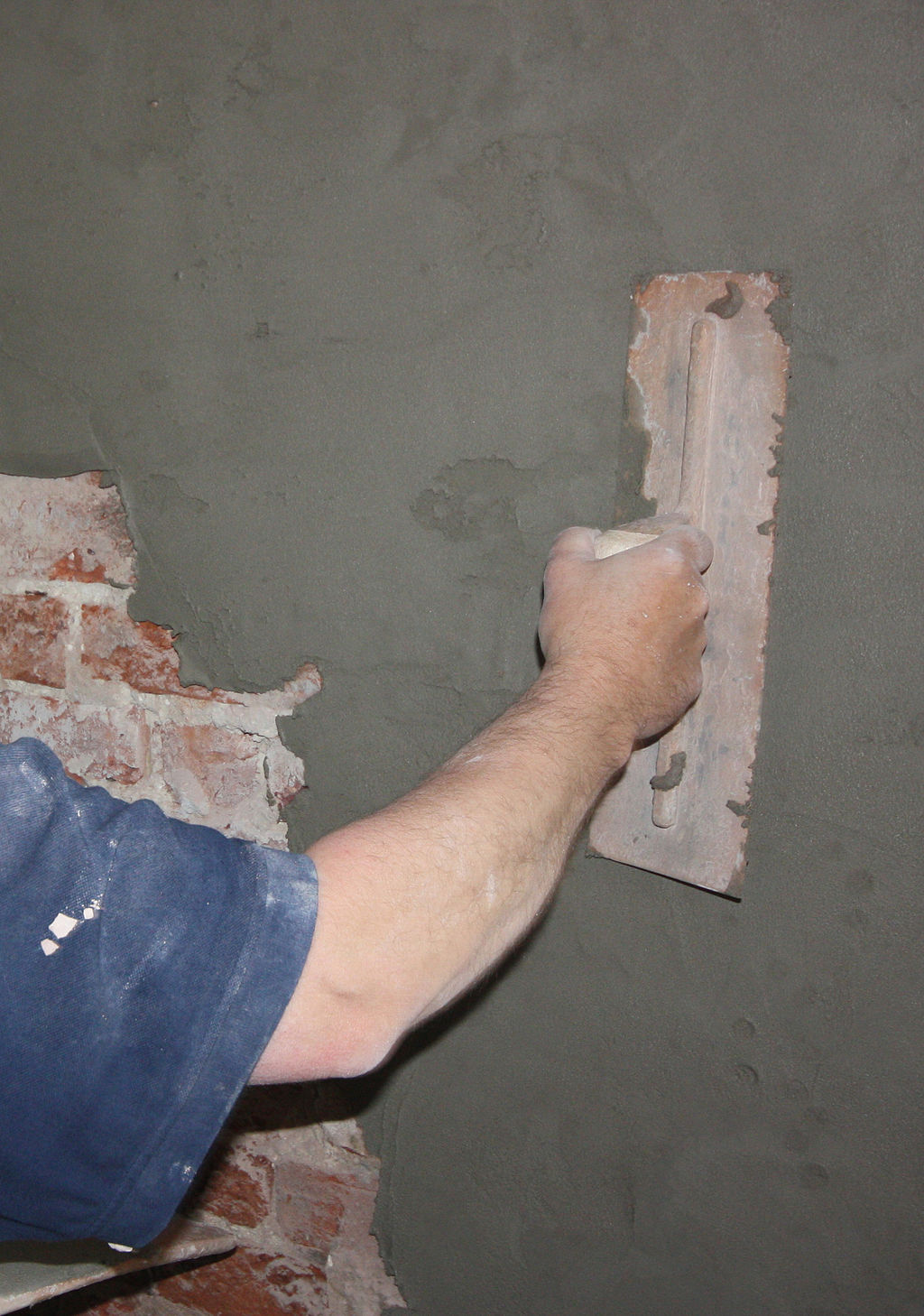
Even though it’s not environmentally friendly and isn’t durable, builders still prefer using it for its benefits, ignoring the shortcomings it portrays.
Read Also:
Advantages of Cement
- Harder than lime. Lime plaster is soft compared to cement. When a building has served its time, lime sheds out but leaves the building structure healthy and standing.
- It takes only a few hours to set in as opposed to lime.
- Skyscraper buildings use cement rather than lime because cement can support heavier loads.
- Cement is waterproof, so water that needs to stay out stays out and that which should stay in stays inside. No wonder some people build water tanks with cement plaster.
Background
In the 1900s and beyond, lime was the most treasured building material for decades. Cement came into the picture much later, but it destroyed most of the reputation lime had.
It was waterproof, harder than lime, able to cure faster, and most of all, it could support larger loads. That meant that storied modern buildings could use it and be at peace because they wouldn’t collapse.
Soon cement became the most sought for building material. The property industry started booming as more buildings were erected faster. Each building was made taller than the previous one.
The cement wonder was a new phenomenon that hadn’t been seen with lime plastering material. Lime was thus forgotten until well after the 1980s when the aging effects of cement started manifesting itself.
Cement portrayed massive shortcomings such as cracking, durability issues, and poor aging capability.
The property industry had to go back to good old lime. Lime saw a re-awakening after the 1980s. It is still the most favorable plastering material for all kinds of buildings.
Knowledge
Most modern builders are not aware of lime plastering as an alternative. That owes to the fact that it was forgotten during the 70s, 80s, and part of the 90s. Most builders preferred cement during these periods.
No wonder builders who came into existence during that time knew of the benefits of cement. Many builders and small-time traders still attest to cement’s great qualities even though its shortcomings are becoming more glaring with collapsing buildings.
They consider such cases as rare and that the contractors didn’t use proper building methods and guidelines.
However, the fact that cement causes environmental degradation instead of lime is slowly but surely turning builders over to their old love, which is lime.
Time
As the saying goes, “time is money.” Many builders prefer cement to lime because cement cures faster than lime. For lime to dry out, it needs at least one to two days and occasionally three days to be on the safe side. So, with each layer of lime plaster, you need to wait it out for three days.
Not all builders are willing to take so much time in the building. Your employed contractors will not be ready to sit idle for days. They can find an alternative job in the process, risking the success of your project.
And if you decide to pay them during the days, they are waiting for the lime to set, you will experience losses because you are paying for days not worked. No business person in his right mind will go for such cost consuming projects.
Cement cures within hours. So, you don’t need a waiting period. A builder thus saves time and even construction costs. Your contractors will continue working on other things as they wait for the cement to set in.
The contractors can also finish your project and move to others within the scheduled time or less. And you won’t lose their services.
Conclusion
As much as cement is the preferred building material, you should consider the environmental impacts it has. Cement cannot be re-used as lime can. Worn-out cement goes to a landfill while lime can be used again in the building.
If you require your building to last a lifetime and be a monument for future generations, lime should be your best building friend. However, if you are just building to have shelter, then be prepared to outlive your building.