• Home Improvement
    • DIY
    • Remodeling
    • Woodworking
    • Home Design
      • Furniture
      • Organize
      • Tips
      • Decor
        • Interior
        • Exterior
    • Design Ideas
      • Bathroom
      • Bedroom
      • Dining Room
      • Living Room
      • Kitchen
  • Gardening
    • Backyard
    • Front Yard
    • Landscaping
  • Building Staircase
  • Categories
    • Home Improvement
    • Decor
    • Gardening
    • Woodworking
    • Lifestyle
    • Green Living
    • Real Estate
Dream Lands Design
  • Home Improvement
    • DIY
    • Remodeling
    • Woodworking
    • Home Design
      • Furniture
      • Organize
      • Tips
      • Decor
        • Interior
        • Exterior
    • Design Ideas
      • Bathroom
      • Bedroom
      • Dining Room
      • Living Room
      • Kitchen
  • Gardening
    • Backyard
    • Front Yard
    • Landscaping
  • Building Staircase
  • Categories
    • Home Improvement
    • Decor
    • Gardening
    • Woodworking
    • Lifestyle
    • Green Living
    • Real Estate
Featured of Greywater Collection Systems Conserve Water and Save Money

Greywater Collection Systems Conserve Water and Save Money

  • Perla Irish
  • November 4, 2018
Total
1
Shares
0
0
1
0
0
Table of Contents Show
  1. How Greywater Collection Systems Work
  2. Using the Water From a Grey Water Collection System
  3. Only Recycle Greywater, Never Blackwater
    1. Source

Installing a greywater collection system can help an individual conserve water while also reducing his monthly water bills – helping him save money. 


Water conservation is steadily becoming one of the most important issues in environmentalism. As humans deplete reservoirs for drinking water, water for gardening and other household water needs, local ecosystems suffer.

By reusing non-contaminated water, also known as “greywater,” consumers can reduce their overall water consumption and help preserve the environment.

Greywater Collection Systems Conserve Water and Save Money
Greywater treatment system By SuSanA Secretariat [CC BY 2.0 ], via Wikimedia Commons

How Greywater Collection Systems Work

Grey water collection systems collect excess household water before its swept away into a septic tank or sewer. The homeowner is then free to recycle the water however he sees fit. Greywater collection systems range from pricey machinery designed to collect, filter and purify slightly-used water to simple homemade collection systems.

Some sophisticated grey water collection systems do double duty as a greywater recycling system. For example, the machine may collect the excess water used when rinsing laundry and channel the rinse water back into the washing machine for the following load’s wash cycle. Depending on the size of the washing machine, this process conserves up to 20 gallons of water per load.

By contrast, a simple homemade greywater collection system could consist of a bucket placed in the shower to collect excess water or a container placed beneath the sink that an individual can drain rinse water into after disconnecting the sink’s drain pipe. The consumer may then reuse the rinse water to wash his garage, wash his car or water his plants.


Read Also:

  • Rainwater Harvesting: Environmental Benefits and Pitfalls
  • 5 Strategies for Building a Greener Home
  • 7 Green Home Cleaning Hacks You Must Try
  • How to Turn Your Rooftop Into a Green Garden
  • Tips and Tricks for Water Conservation

Using the Water From a Grey Water Collection System

Most individuals opt to reuse greywater to water plants, but it can also be placed into the toilet bowl in lieu of fresh water. Because the toilet tank monitors the amount of water present in the bowl after flushing, the amount of fresh water released into the tank will be decidedly less if an individual fills the tank with greywater after flushing.

If greywater is collected during showers, this process can be as simple as lifting a bucket out of the shower and pouring the excess water into the toilet bowl after flushing. Consumers should take care never to pour greywater into the toilet tank.

Before reusing greywater in any fashion, consumers should check with their municipality to ensure that greywater recycling is allowed and, if necessary, obtain a permit to do so. Some states and municipalities require residents to abide by certain rules when using greywater to water their plants. Therefore, this concern should be addressed prior to purchasing or building a greywater recycling system or collection system.

Only Recycle Greywater, Never Blackwater

When using a homemade greywater collection system, consumers should take care never to inadvertently collect and reuse “blackwater.” Blackwater is any water that has been significantly contaminated by bacteria. This includes any water that contains fecal bacteria such as water from the toilet bowl. Water from the kitchen sink is also considered blackwater if it contains bacteria, such as salmonella, from raw meat.

Although some individuals consider water that contains strong cleaning chemicals to be Blackwater, others do not. As a rule of thumb, however, its never a good idea for an individual to conserve chemical-laden water – especially if he plans to use his collected greywater to water his garden at the end of the day.

When executed properly, reusing greywater through a greywater collection or recycling system can contribute to water conservation, reduce an individual’s carbon footprint and save money on water bills.


Source

  • Greywateraction.org: About Greywater Reuse: https://greywateraction.org/greywater-reuse/

Total
1
Shares
Share 0
Tweet 0
Pin it 1
Share 0
Share 0
Previous Article
Featured of Signs You Can't Ignore - When to Call for Septic Tank Service

Signs You Can’t Ignore: When to Call for Septic Tank Service

  • Perla Irish
  • November 3, 2018
View Post
Next Article
Featured of How to Build Santa's Workshop

How to Build Santa’s Workshop

  • Perla Irish
  • November 6, 2018
View Post

Subscribe

Subscribe now to our newsletter

You May Also Like
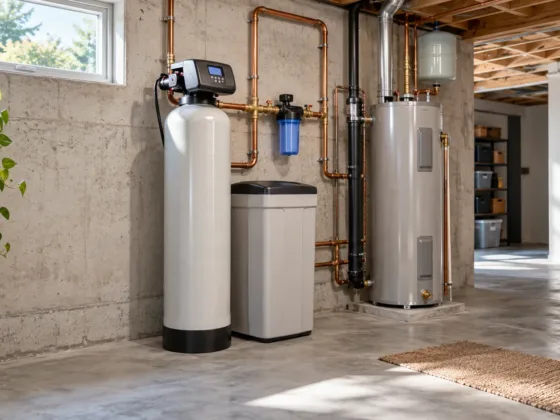
A modern whole-home water softener system installed alongside copper plumbing lines in a clean residential utility room
View Post

The Real Science Behind Water Softeners: Home Protection, Energy Savings, and System Longevity

  • September 20, 2026
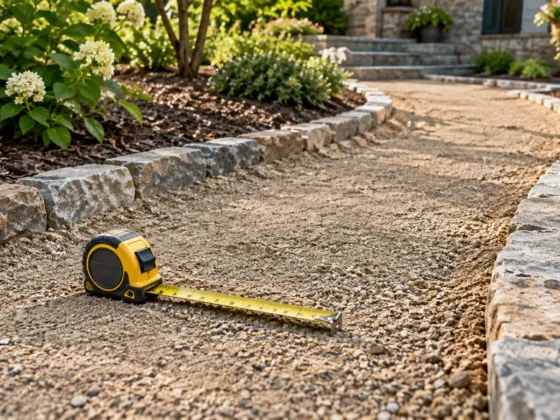
Landscaping measuring tape resting on crushed granite aggregate spread over a prepped garden path base
View Post

How to Estimate Gravel and Aggregate for Home Landscaping Projects Without Overordering

  • September 14, 2026
A clean pickup truck bed coated with a textured black spray-in bed liner filled with contractor tools and lumber
View Post

Why Spray-In Bed Liners Make Sense for Hard-Working Pickup Trucks

  • September 11, 2026
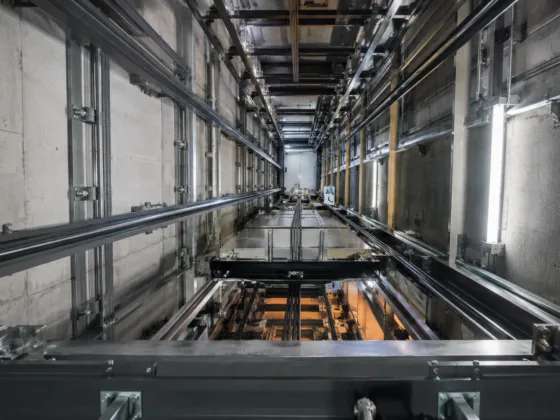
Close-up of heavy-duty industrial lift components and steel guide rails inside a commercial elevator hoistway
View Post

Why Quality Lift Components Matter for Safety, Reliability and Performance

  • September 3, 2026
An organized modern workshop with a high ceiling unit heater mounted near the ceiling
View Post

How to Properly Size Unit Heaters for Garages, Workshops & Commercial Spaces

  • August 31, 2026
A clear glass window sill with a potted eucalyptus plant and a view of a sunlit backyard garden
View Post

Practical Solutions for the Most Annoying Window Cleaning Problems

  • August 19, 2026
A beautifully landscaped Tuscan style backyard garden with large terracotta planters and a stone patio
View Post

Unique Garden Decor Styles for Your Backyard Renovation

  • August 19, 2026
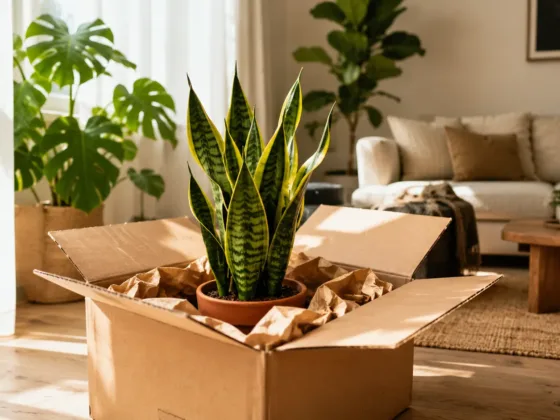
A freshly unboxed snake plant in an eco-friendly cardboard package styled in a sunlit modern living room
View Post

Buy Plants Online with Free Delivery: How to Choose Live & Faux Greenery

  • August 19, 2026

Leave a Reply Cancel reply

Your email address will not be published. Required fields are marked *

  • About
  • Privacy Policy
  • Terms of Use
  • Disclosure
  • Sitemap
  • Contact Us

Input your search keywords and press Enter.