• Home Improvement
    • DIY
    • Remodeling
    • Woodworking
    • Home Design
      • Furniture
      • Organize
      • Tips
      • Decor
        • Interior
        • Exterior
    • Design Ideas
      • Bathroom
      • Bedroom
      • Dining Room
      • Living Room
      • Kitchen
  • Gardening
    • Backyard
    • Front Yard
    • Landscaping
  • Building Staircase
  • Categories
    • Home Improvement
    • Decor
    • Gardening
    • Woodworking
    • Lifestyle
    • Green Living
    • Real Estate
Dream Lands Design
  • Home Improvement
    • DIY
    • Remodeling
    • Woodworking
    • Home Design
      • Furniture
      • Organize
      • Tips
      • Decor
        • Interior
        • Exterior
    • Design Ideas
      • Bathroom
      • Bedroom
      • Dining Room
      • Living Room
      • Kitchen
  • Gardening
    • Backyard
    • Front Yard
    • Landscaping
  • Building Staircase
  • Categories
    • Home Improvement
    • Decor
    • Gardening
    • Woodworking
    • Lifestyle
    • Green Living
    • Real Estate
Featured of 5 Strategies for Building a Green Home

5 Strategies for Building a Greener Home

  • Perla Irish
  • July 19, 2018
Total
3
Shares
0
0
3
0
0
Table of Contents Show
  1. 5 Strategies for Building a Green Home
    1. Look at Home Orientation
    2. Install Proper Insulation
    3. Use Sustainable Building Materials
    4. Add Home Automation Systems
    5. Plant a Low-Impact Lawn

Strategies for Building a Green Home — You can take numerous steps to live a more environmentally friendly life, including ways you can build a greener home.

5 Strategies for Building a Green Home

Best of all, building an Eco-friendly home not only helps the environment, it can also help you save money. Consider these top strategies for building a greener home.
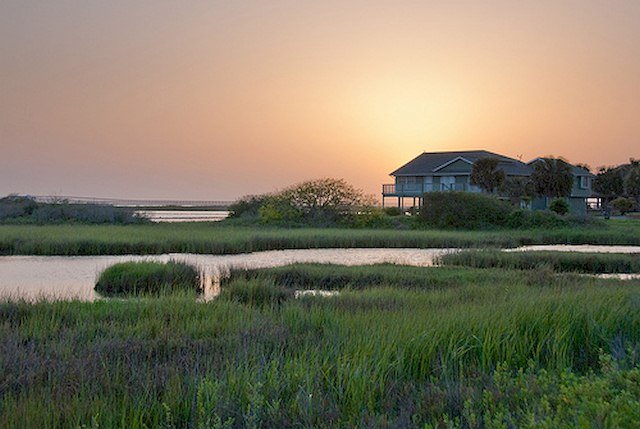
IMG -Strategies for Building a Green Home
Strategies for Building a Green Home

Image via Flickr by S.A. Street Photographer

Look at Home Orientation

While realtors always promote the location of a home in regards to the neighborhood, you should also think about which direction your home faces. Different regional climates will dictate the best orientation for your home.

For example, if you live in an area that has a lot of cold and dark winter days, you want your home to face south so you can get as much natural heat from the sun as possible. On the other hand, if you live in a warm area and want to keep the heat from the hot summer sun out as much as possible, you want your home to face north.

Install Proper Insulation

Installing the right insulation in your home is one of the most important things you can do for energy efficiency. While the average American pays around $2,000 every year for energy, between $200 and $400 of that goes to waste because of air leaks and drafts.

As you’re building your home, make sure you properly seal all the ductwork and the gaps around windows and doors. You can also consider installing reflective insulation, which has a reflective material on one side that bounces the sun’s radiation away from your home.

Use Sustainable Building Materials

If you’re trying to build a green home, using sustainable building materials whenever possible should be a priority. If you have wood as part of your building design, consider using reclaimed lumber or bamboo, which grows very fast and is easy to replant. You can also find insulation made from sheep’s wool or recycled newspapers and cardboard, which are Eco-friendly and superior alternatives to chemical insulation.


Read Also:

  • To Buy or DIY, That Is the Question: What Is the Best Option for Your First Rain Barrel?
  • Easy Ways to Green Your Live – Ecologically Friendly Living
  • Do’s and Don’t When Training New Moving Crews
  • 7 Green Home Cleaning Hacks You Must Try
  • Energy Saving Tips: Green DIY Energy

Add Home Automation Systems

You can add home automation systems when you’re building your house to keep your energy costs down. For example, to help with your heating and cooling costs, consider a smart thermostat that helps your HVAC system run more efficiently.

These units can run diagnostic tests to make sure your system is running in top shape. You can even change temperature settings remotely from your smartphone if you forget to adjust them before you leave your house.

Plant a Low-Impact Lawn

From fossil fuels that power lawn mowers to fertilizers that grow grass, the typical yard is not very environmentally friendly. However, by replacing expansive patches of grass with small beds of native trees and flowers, you can reduce water and fertilizer needs and switch from a gas-powered mower to a manual or electric one. Strategically placing the trees can also offer shade to help keep your home cool.

From building materials to home orientation, when you’re building or upgrading your home, keep these tips and strategies in mind to live a more Eco-friendly life.

Total
3
Shares
Share 0
Tweet 0
Pin it 3
Share 0
Share 0
Previous Article
DiningRoom2CDiningArea2CBayWindow28Copy29

Beautiful & Elegant Small Dining Room Design: Dining Room Decorating Ideas for Your Better Mood

  • Perla Irish
  • July 18, 2018
View Post
Next Article
Featured of Tips for Design Smart Kitchen Interior

Tips for Design Smart Kitchen Interior

  • Perla Irish
  • July 19, 2018
View Post

Subscribe

Subscribe now to our newsletter

You May Also Like
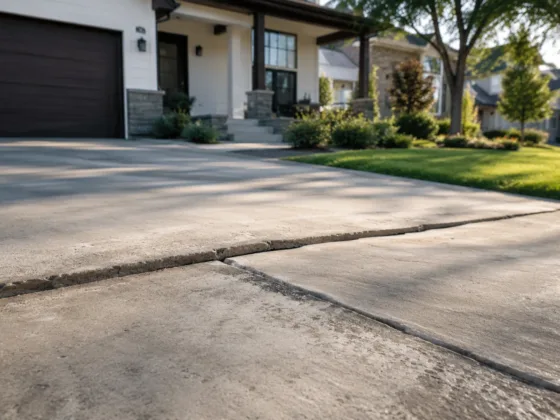
Uneven concrete driveway with a sunken slab outside a modern suburban home
View Post

Uneven Concrete: Why It Happens, Why It Matters, and What Leveling and Lifting Can Do About It

  • August 4, 2026
Employees preparing a commercial office move by packing workstations, labeling equipment, and organizing IT infrastructure before relocation
View Post

What Every Business Should Know Before Planning a Commercial Move

  • August 3, 2026
Modern bedroom with a smoke air purifier improving indoor air quality during a wildfire smoke event outside the home.
View Post

Smoke in the Air: Choosing an Air Purifier That Actually Makes a Difference

  • August 1, 2026
Modern bedroom with an air purifier beside the bed to improve indoor air quality for better sleep
View Post

Why the Air You Breathe While You Sleep Matters More Than You Think

  • August 1, 2026
Side-by-side comparison of a traditional tank water heater and a tankless water heater installed in residential homes.
View Post

Tankless vs. Traditional Water Heaters: Which Is Right for Your Home?

  • July 31, 2026
Outdoor plumbing faucet and residential sump pump system protecting a home from water damage
View Post

Protecting Your Home’s Plumbing From Water Damage: Sump Pumps and Outdoor Plumbing Basics 

  • July 30, 2026
Comparison of electric, gas, pellet, and wood-burning fireplaces for homeowners
View Post

A Homeowner’s Guide to Types of Fireplaces: Gas, Electric, Pellet, and Wood

  • July 30, 2026
Cracked asphalt driveway showing alligator cracking and surface deterioration caused by aging and weather exposure
View Post

5 Common Causes of Asphalt Cracks in Driveways and How to Prevent Them

  • July 28, 2026

Leave a Reply Cancel reply

Your email address will not be published. Required fields are marked *

  • About
  • Privacy Policy
  • Terms of Use
  • Disclosure
  • Sitemap
  • Contact Us

Input your search keywords and press Enter.