• Home Improvement
    • DIY
    • Remodeling
    • Woodworking
    • Home Design
      • Furniture
      • Organize
      • Tips
      • Decor
        • Interior
        • Exterior
    • Design Ideas
      • Bathroom
      • Bedroom
      • Dining Room
      • Living Room
      • Kitchen
  • Gardening
    • Backyard
    • Front Yard
    • Landscaping
  • Building Staircase
  • Categories
    • Home Improvement
    • Decor
    • Gardening
    • Woodworking
    • Lifestyle
    • Green Living
    • Real Estate
Dream Lands Design
  • Home Improvement
    • DIY
    • Remodeling
    • Woodworking
    • Home Design
      • Furniture
      • Organize
      • Tips
      • Decor
        • Interior
        • Exterior
    • Design Ideas
      • Bathroom
      • Bedroom
      • Dining Room
      • Living Room
      • Kitchen
  • Gardening
    • Backyard
    • Front Yard
    • Landscaping
  • Building Staircase
  • Categories
    • Home Improvement
    • Decor
    • Gardening
    • Woodworking
    • Lifestyle
    • Green Living
    • Real Estate
Featured image - Best Methods of Inspecting a House Before Purchase

Best Methods of Inspecting a House Before Purchase

  • Perla Irish
  • January 16, 2021
Total
2
Shares
0
0
2
0
0
Table of Contents Show
  1. Start Simple
  2. Get Help
  3. Electrics & Plumbing
  4. Roof
  5. Doors & Windows
  6. Radon
  7. Mold
  8. Toxic Materials
  9. Final Thoughts

Buying a home is exciting. You’ll probably have spent a long time dreaming of the house, looking at various disappointing options, and finally found the perfect spot.

However, now is not the time to start daydreaming about how fantastic your house will look or who you’ll be inviting round first.

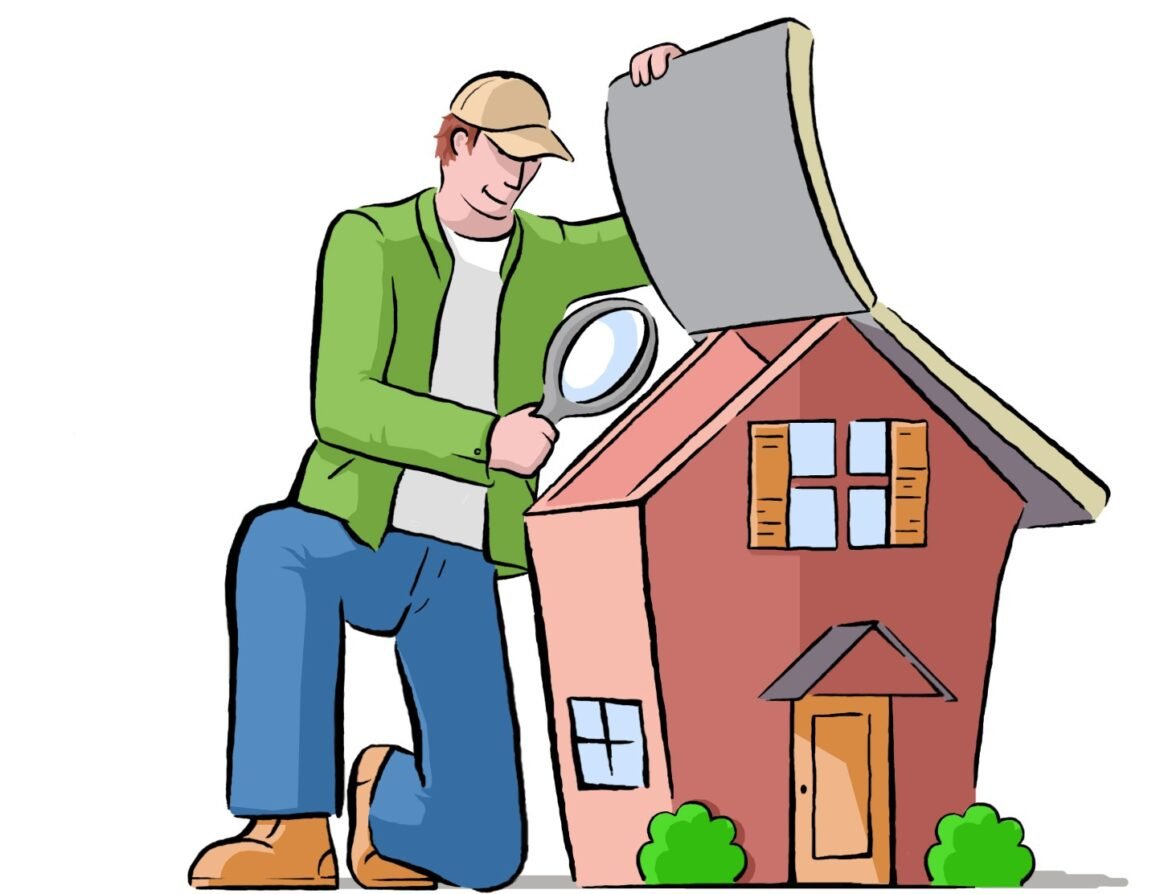
image - Best Methods of Inspecting a House Before Purchase
Best Methods of Inspecting a House Before Purchase

Before you can do anything else you need to inspect the house properly. This ensures there are either no hidden issues or that you’re aware of them before you move in and start decorating.

To inspect a house properly, you’ll need some specialist help.

Start Simple

The best starting point is to walk slowly around the house using your eyes. This isn’t something you should do on your first visit, that’s to look at the potential of the house.

You should undertake a dedicated visit and walk around the house looking for any obvious defects.

Signs of issues include cracks in the walls, especially wide ones, damp patches, mold, faulty electrics, and signs that a temporary repair has been completed.

Get Help

You can do this yourself but it’s a good idea to get a property inspection firm involved. They will have the tools and equipment necessary to locate issues and follow up on them.

For example, magnetic particle testing can be used to detect structural cracks that aren’t visible to the eye. This technique is non-invasive, allowing you to understand the structure of property without damaging it.


Read Also:

  • Benefits of Commercial Building Inspections with a Building Inspections Company
  • Do You Need a New Construction Inspection? (Spoiler: Yes, You Do!)
  • How to Get the Most from a Regular Roof Inspection?
  • Steps to Prepare Your House for a Home Inspection
  • 5 Tips from Home Inspectors on Buying a House

Electrics & Plumbing

These are two of the most important systems in your house. The cost of repairing or replacing faulty electrics can quickly add up, as can plumbing issues.

In many cases, the pipes and electric cables are hidden in the walls. That makes it hard to see an issue. But, the professionals will know how to test these systems and calculate what work is needed.

These inspections should include hot water and heating systems.

Roof

In many houses, the roof is too high to look at properly. However, you’ll soon know if it’s leaking. This can cause issues with water in the house and can cause wet rot in the structure of your roof.

Even if you can’t see the roof properly, professionals can fly drones over them to assess the condition.

Of course, you can also look from inside the loft space.

Don’t forget to have the gutters and downpipes checked at the same time.

Doors & Windows

Well-fitted doors and windows are a useful security feature in your home. However, they are also effective insulators, and cracks around doors and windows are one of the most common methods of pests getting into your home.

It’s worth inspecting them. They made need to be replaced and the area around them repaired.

Radon

Radon is a form of radioactive material that exists in the soil. In concentrated doses, it can be considered a health risk. You need to have the radon level check professionally to confirm it’s safe for you and your family to live there

Mold

Mold in a home is a sign that moisture is getting in. Look for mold and, if you find any, you need to be looking for how the moisture is getting into your home.

Toxic Materials

Asbestos and lead paint are still common in older houses and neither are beneficial for your health. If you’re buying an older home it’s a good idea to have the house checked for these substances and then have them eliminated.

Final Thoughts

Inspecting a house properly means paying the professionals to do their job. This can seem like an expensive option.

However, if any issues are discovered, you’ll be prepared for them or able to renegotiate the price. That saving can be significantly more than the cost of the inspections.

The above list is not exhaustive, many other potential issues can be found with a house. It’s important to have inspections done and know what you’re letting yourself in for before you complete the purchase.


Total
2
Shares
Share 0
Tweet 0
Pin it 2
Share 0
Share 0
Related Topics
  • home inspection
Previous Article
Featured image - What's the Difference Between End-of-Lease and Bond Cleaning

What’s the Difference Between End-of-Lease and Bond Cleaning?

  • Perla Irish
  • January 16, 2021
View Post
Next Article
Featured image - How to Reduce Water Hardness in Your House

How to Reduce Water Hardness in Your House

  • Perla Irish
  • January 16, 2021
View Post

Subscribe

Subscribe now to our newsletter

You May Also Like
limescale buildup on bathroom faucet caused by hard water
View Post

How to Soften Hard Water (What Works—and What Doesn’t)

  • April 7, 2026
vertical crack in residential brick wall near house foundation
View Post

Cracked Brick Wall: What You Can Fix — and What’s Structural

  • April 7, 2026
electrical panel with circuit breakers in a residential home showing common electrical system setup
View Post

Common Electrical Issues Homeowners Overlook (and Why They Matter Long-Term)

  • April 6, 2026
A slightly used home toolbox with basic tools and a flashlight on a wooden floor in a living room
View Post

Power Tools You’ll Actually Find in a Real Home Toolbox (And When They Matter)

  • March 17, 2026
comfortable home office workspace with desk near window and natural lighting
View Post

How to Create a Comfortable Home Office That Supports Everyday Work

  • March 9, 2026
Modern household appliances including refrigerator, washer, dryer, and dishwasher inside a contemporary home interior
View Post

How Modern Home Appliances Changed Daily Life in Today’s Homes

  • March 7, 2026
Installed sump pump system in residential basement concrete floor basin
View Post

Sump Pump Maintenance Checklist: How to Keep Your System Ready Before the Next Storm

  • February 28, 2026
Wall-mounted ductless mini split air conditioner in a modern living room
View Post

Maintenance Practices That Extend Ductless Heating and Air System Life

  • February 14, 2026
  • About
  • Privacy Policy
  • Terms of Use
  • Disclosure
  • Sitemap
  • Contact Us

Input your search keywords and press Enter.