Table of Contents Show
Concrete is a foundational material for multiple construction projects around you. From the pavements to the roads and the walls, it’s everywhere!
Owing to its strength, durability, and versatility, concrete is a widely used construction material around the world.
However, like any other material, concrete does have its shortfalls and some problems may arise before or after construction. Understanding these common concrete problems and their causes is vital to maintaining the integrity of your concrete structures.
In this article, we will examine three common concrete problems and how you can resolve them to ensure your concrete structure remains sturdy and strong.
Let’s begin!
1. Scaling
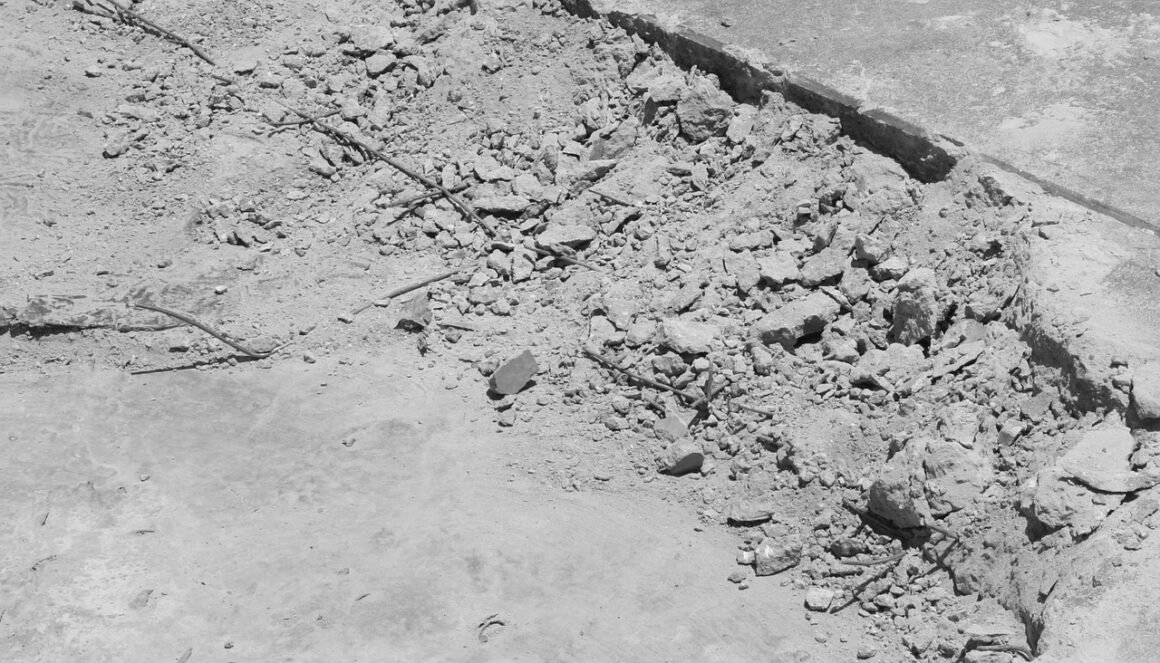
Scaling is one of the biggest problems encountered when using concrete for construction. It is when the surface layer of the concrete deteriorates and begins to peel or flake off.
Large areas of crumbling concrete, areas of heavy deterioration, and exposed rebar are signs of intense concrete scaling. If not repaired, this can lead to structural instability of the entire concrete structure.
Scaling is commonly caused due to free-thaw cycles, poor finishing techniques, or an inadequate curing process. All exposed concrete is normally put through freeze-thaw cycles. However, the concrete’s resistance to degradation is determined by the concrete mix and age of the concrete. As such, concrete with the proper amounts of water, air, and cement will be much more durable.
Typically, older concrete structures are more likely to have freeze-thaw damage as the concrete was not air-entrained.
How To Solve Scaling
To prevent scaling, there are multiple things you can do. For example, look into traditional concrete alternatives. Sustainable concrete production has effectively helped reduce scaling with the use of bio-based binders and simultaneously increased durability.
Alongside this, ensure proper curing to obtain maximum concrete strength. While not a permanent fix, you could also apply a quality sealer to the surface to protect the surface during harsh weather conditions.
2. Cracking
Cracks are a common occurrence when using concrete for construction. These cracks may be surface-level or structural. Generally, surface cracks, also called hairline cracks, are less than a few millimeters wide and deep. As such, they are quite common and do not cause any major issues.
Surface-level cracks often occur due to freeze-thaw cycles or poor construction practices. Moreover, sometimes even the placement of new concrete over old concrete can cause surface cracks to develop. This is because the newly added concrete shrinks as it cures.
The majority of the time, surface cracks need to be monitored and only need to be repaired if they deteriorate further. Comparatively, structural cracks are larger and extend deeper into concrete. As a result, they can even extend through a wall, slab, or any other structure.
Structural cracks are caused by the loss of fill support due to erosion or the settlement of fill material supporting the concrete structure. They are a greater cause for concern as structural cracks can quickly worsen in severity due to weathering.
How To Solve Cracking
To prevent cracking, use proper concrete mix, control any temperature changes during the curing process, and accommodate for drying shrinkage.
For surface cracks, simple patching compounds or using epoxy fillers will be able to fix them.
However, with structural cracks, it’s best that a professional thoroughly evaluates the situation to properly identify the cause. They can then prepare an effective repair plan to resolve the issue for good.
3. Efflorescence
Efflorescence is a white, crystallized substance that sometimes appears on concrete surfaces.
Typically, observed near hairline or thin cracks, it is formed due to water seeping through the cracks or pores into the concrete. When this water evaporates, it leaves behind minerals that were leached from the fill, soil, or concrete.
While not a structural problem, efflorescence ought to be monitored as it is an indicator of the amount of seepage occurring in a concrete structure. As such, it could signal areas where problems could later develop. Furthermore, water seeping through cracks can result in making a concrete structure more susceptible to deterioration.
How To Solve Efflorescence
Begin by using a mild acid or a special cleaner to remove the efflorescence. Carefully follow the manufacturer’s instructions to avoid any instances of acid etching.
After it’s cleaned, apply a premium-quality sealer to the concrete surface. This will block pores and help prevent water from seeping into the concrete.
Alongside these two measures, ensure proper drainage systems are in place to prevent water accumulation. After all, the key to preventing efflorescence is to limit the movement of water through the concrete structure.
To Wrap Up
Concrete problems are a common hassle that many struggle with.
However, armed with the knowledge about common concrete issues and their solutions, you can face these challenges head-on. By taking proactive measures, following proper construction practices, and using quality materials, you can reduce the likelihood of any of the above issues occurring.
Furthermore, with regular inspection, monitoring, and maintenance, you can ensure the continued integrity of your concrete structures for many years to come.