Table of Contents Show
I will write about why cover boards are important. This includes going over the different types of materials and showing where they can be used.
I’m hoping to show the difference between cover board options to help people make the right decision.
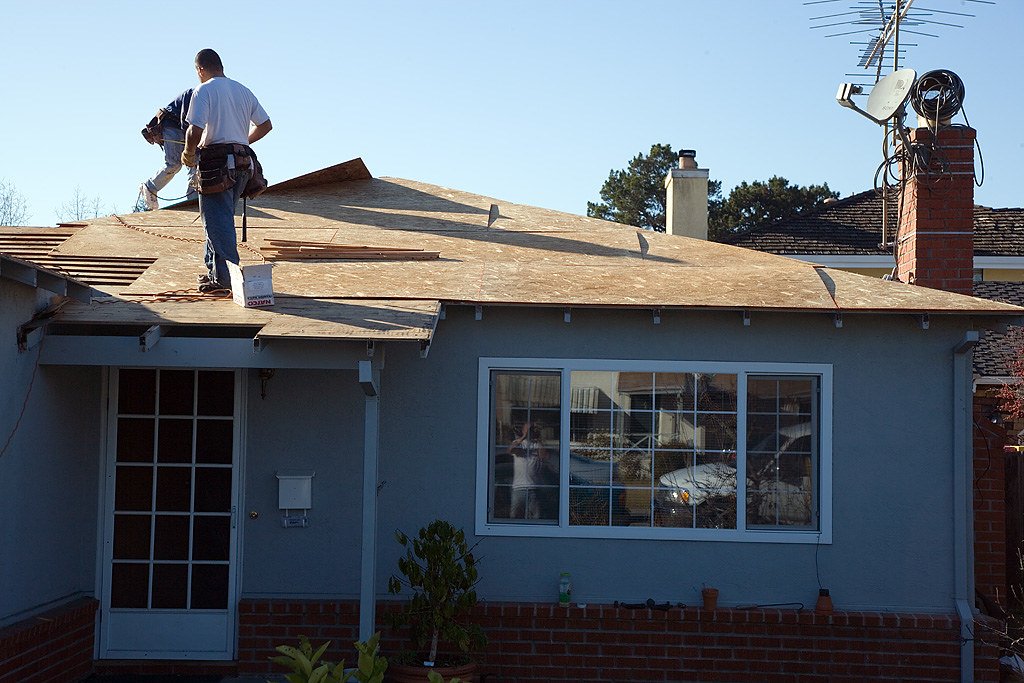
Everything a homeowner needs to know about cover boards
- Explain what are cover boards
- Material types
- Installation methods
- And the different levels of protection
- Explain where each material should go
Cover Boards: The One Roofing Product You Should be Using
When you buy a new roof, it’s not just the shingles and tiles that are important. You should also consider your cover boards.
These are the things that keep water from getting into your house through gaps in the roof, helping you avoid damage to your home’s structure and insulation.
The roofing experts at M&Y Pittsburgh Roofing recommend that you consider these three factors when shopping for cover boards. They include:
Material Type
Cover boards come in three materials – aluminum, galvanized steel, and copper. Aluminum is the cheapest option, but it also has a shorter lifespan than iron or copper.
Galvanized steel cover boards are cheaper than copper ones, but they require more routine maintenance because their zinc coating isn’t as durable.
Copper is the most expensive type of cover board, but it’s also the most durable material of the three because it has a natural resistance to corrosion. This means you won’t need maintenance for at least 15 years.
If longevity and durability are your top priority, copper might be worth considering. It will last longer than any other type of cover board and you won’t have to worry about maintenance for a long time.
Read Also:
Installation Method
There are three types of installation methods for cover boards – a shingled roof, a fully clad roof, and on the top layer.
With a shingled roof, you’ll need to use plywood sheathing as your base before installing cover boards.
This is because there won’t be any underlying insulation that needs protection. For a fully clad roof, you’ll have to make sure that the cover boards are installed on top of the insulation.
If you are installing them on the top layer, it’s important to know which type is best for your area. For example, coastal zones need more protection from strong weather, so they should use aluminum or copper.
Copper is more expensive, but it has a higher level of corrosion resistance than aluminum, which will help to protect the structure in coastal zones over time.
Non-coastal zones are less susceptible to strong weather, so they can use galvanized steel cover boards and save money on installation costs while getting quality protection from their roofing.
The installation method you choose will depend on your budget, how much maintenance you’re willing to do, and the weather in your area.
The Protection Level You Need
Determining your protection level is important because you don’t want to have cover boards that are not suited for the type of weather in your area.
For example, coastal zones need a higher level of protection than non-coastal zones and should use aluminum or copper boards because they are more resistant to corrosion.
However, if you live in a coastal zone and you can’t afford the more expensive cover boards, aluminum is still an option.
Just know that it will need to be replaced within 10 years. So there might come a time when you’re forced to shell out for cover boards before breaking even.
You shouldn’t use galvanized steel if you live in either of these two zones because it will only last for five years, which is not enough time to break even on the cost of installation.
However, the best thing to do is talk with a professional installer about what your area needs in terms of protection. This info should help you make a final decision on which cover boards to get for your home.
Cover Board Vs Sheathing
Cover boards are installed on top of sheathing, but they’re not the same thing.
The sheathing is a layer that protects underlying insulation and other materials, such as plywood or OSB.
You can think of it as an umbrella because it protects everything below from water damage. Cover boards, on the other hand, go over the sheathing to provide additional roofing protection from the elements.
The sheathing also plays an important role in protecting your home from wind, water, and fire damage. So it needs to be installed on a firm base.
The type of sheathing you need will depend on where you live, so it’s wise to consult with professional installers about the right option for your home.
Cover boards are a necessity that should always be included when thinking about new roofing materials.
They can help save time and money because they’ll protect against water and pests, and they will also last at least 15 years. That means you won’t have to worry about your roofing until you’re ready for a new one.