• Home Improvement
    • DIY
    • Remodeling
    • Woodworking
    • Home Design
      • Furniture
      • Organize
      • Tips
      • Decor
        • Interior
        • Exterior
    • Design Ideas
      • Bathroom
      • Bedroom
      • Dining Room
      • Living Room
      • Kitchen
  • Gardening
    • Backyard
    • Front Yard
    • Landscaping
  • Building Staircase
  • Categories
    • Home Improvement
    • Decor
    • Gardening
    • Woodworking
    • Lifestyle
    • Green Living
    • Real Estate
Dream Lands Design
  • Home Improvement
    • DIY
    • Remodeling
    • Woodworking
    • Home Design
      • Furniture
      • Organize
      • Tips
      • Decor
        • Interior
        • Exterior
    • Design Ideas
      • Bathroom
      • Bedroom
      • Dining Room
      • Living Room
      • Kitchen
  • Gardening
    • Backyard
    • Front Yard
    • Landscaping
  • Building Staircase
  • Categories
    • Home Improvement
    • Decor
    • Gardening
    • Woodworking
    • Lifestyle
    • Green Living
    • Real Estate
Featured of Three Main Health Concerns Survivors of a Natural Disaster

Three Main Health Concerns Survivors of a Natural Disaster Have to Worry About

  • Perla Irish
  • August 29, 2018
Total
2
Shares
0
0
2
0
0
Table of Contents Show
  1. Mold
  2. Mental Health Issues
  3. Release of Dangerous Toxins
  4. Staying Safe after a Natural Disaster

Three Main Health Concerns Survivors of a Natural Disaster Have to Worry About — We have been witness to several major natural disasters in this past couple of months. Hurricanes, tornadoes, and earthquakes have destroyed countless homes, businesses and most importantly taken many innocent lives. During the event, most people are mainly concerned for their immediate well-being and pressing issues like taking as much food or water as they can, saving valuable documents, personal items and evacuating to safety.
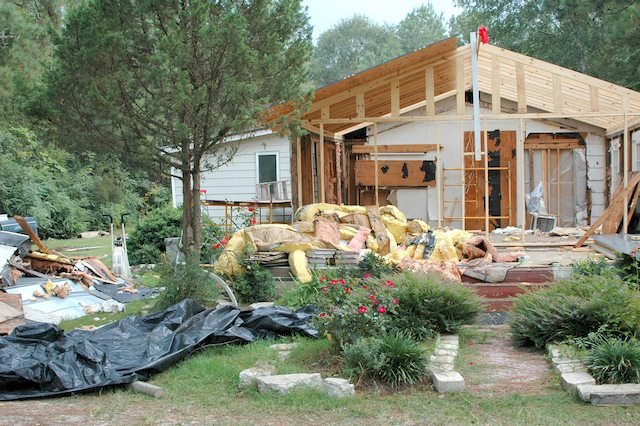
Three Main Health Concerns Survivors of a Natural Disaster

However, most people who live through a natural disaster are faced with more than a destroyed home and lost belongings. There are also numerous health conditions that are known to develop after a natural disaster to be cautious about. These range from contaminated water, to mold, dangerous toxins and lasting mental effects. Here are some of the major health concerns survivors of natural disasters have to face.

Mold

The homes that did not collapse during hurricanes like Harvey in Texas and Irma in Florida are likely left in terrible condition, damp and humid. These are the perfect conditions for mold to grow. Mold is known to cause various health conditions ranging from throat and eye infections to dangerous respiratory conditions. Black mold is especially dangerous and potent and is known to plague damp homes.

Mold can also prove extremely harmful for those suffering from asthma and COPD (chronic obstructive pulmonary disease). Mold can grow in as little as 48 hours or even faster in the ideal conditions created by a natural disaster like a hurricane. In order to prevent mold from infesting your home, you have to take immediate action and treat the mold or have it removed by an expert.

Mental Health Issues

Natural disasters are known to lead to serious mental health issues in survivors. The devastation and loss during these disasters can lead to issues like post-traumatic stress disorder or depression. Consequences of natural disasters like loss of a home, valuable possessions, job or even a loved one can cause a lot of stress, which can lead to dangerous mental issues. What makes these problems difficult to resolve is that they only manifest later and become more obvious as time passes.


Read Also:

  • Easy Ways to Green Your Live – Ecologically Friendly Living – Eco-Friendly Lifestyle
  • Mold Can Make You Severely Sick – Remove Them Before Too Late
  • Prepare for Disaster: Making Your Kit and Your Checklist
  • Save Your Home From Moisture Damages

Release of Dangerous Toxins

Many homes built prior to the 1970’s contained lead and asbestos until both were proven as dangerous. Both of these toxins are said to be harmless unless the walls containing them are damaged, and that’s exactly what might happen during a hurricane. Asbestos was used for numerous purposes like tiling, insulation and in furnaces. Its fire resistant properties made it appealing to builders until it was proven that it might cause serious respiratory issues.

The same goes for the lead. Lead paint was frequently used in old homes until its adverse effects were revealed to the public. When exposed to this toxin, children have developed signs of slow physical and mental development. If your walls or flooring is damaged by a hurricane, there’s a huge chance that these dangerous toxins can be released into the air and cause serious health issues for years and years.

Staying Safe after a Natural Disaster

It is very important to keep yourself and your family safe even after the immediate danger of a natural disaster. It can be difficult to avoid dangerous materials and toxins during the restoration process, which is why you need to have protective gear at all time. If the damage to your home is too severe, consider hiring a professional restoration company to do it for you faster, safer and more efficiently than you could.

Total
2
Shares
Share 0
Tweet 0
Pin it 2
Share 0
Share 0
Previous Article
Featured of Tree Pruning and Trimming

Tree Pruning and Trimming: An Integral Part of Professional Tree Care in Australia

  • Perla Irish
  • August 29, 2018
View Post
Next Article
Featured of Top Ten Reasons to Get a Robot Pool Cleaner

Top Ten Reasons to Get a Robot Pool Cleaner

  • Perla Irish
  • August 29, 2018
View Post

Subscribe

Subscribe now to our newsletter

You May Also Like
Wall-mounted ductless mini split air conditioner in a modern living room
View Post

Maintenance Practices That Extend Ductless Heating and Air System Life

  • February 14, 2026
Ceiling HVAC air vents integrated into a quiet residential living room
View Post

How HVAC Systems Actually Work (and Why They Often Feel Inefficient at Home)

  • February 4, 2026
Wall-mounted home thermostat and HVAC air vent in a quiet residential hallway
View Post

Understanding Home HVAC Systems: What Actually Matters, What Doesn’t, and When to Act

  • February 4, 2026
Air conditioner integrated into a calm residential living space during daytime
View Post

Why Your Air Conditioner Is Not Blowing Cold Air (And What That Usually Means)

  • January 31, 2026
Wall-mounted air conditioner in a quiet living room during daytime
View Post

Leaving the Air Conditioner On All Day: When It Helps, When It Quietly Backfires

  • January 31, 2026
Event space designed around a single visual focal point with a calm and balanced composition.
View Post

Easy Ways to Create a “Wow” Moment for Parties & Celebrations

  • January 25, 2026
Shower water flow in a bathroom affected by hard water
View Post

How to Soften Hard Water for Showering and Bathing

  • January 19, 2026
Soft daylight showing mild hard water residue on a residential window
View Post

A Calmer Way to Deal With Hard Water Stains on Windows

  • January 2, 2026

Leave a Reply Cancel reply

Your email address will not be published. Required fields are marked *

This site uses Akismet to reduce spam. Learn how your comment data is processed.

  • About
  • Privacy Policy
  • Terms of Use
  • Disclosure
  • Sitemap
  • Contact Us

Input your search keywords and press Enter.