Table of Contents Show
When purchasing a home, it’s wise to learn as much as possible about the property first.
You need to be aware of the house’s current condition and pressing issues if there are any. This is why it is critical to perform a home inspection during the house buying process.
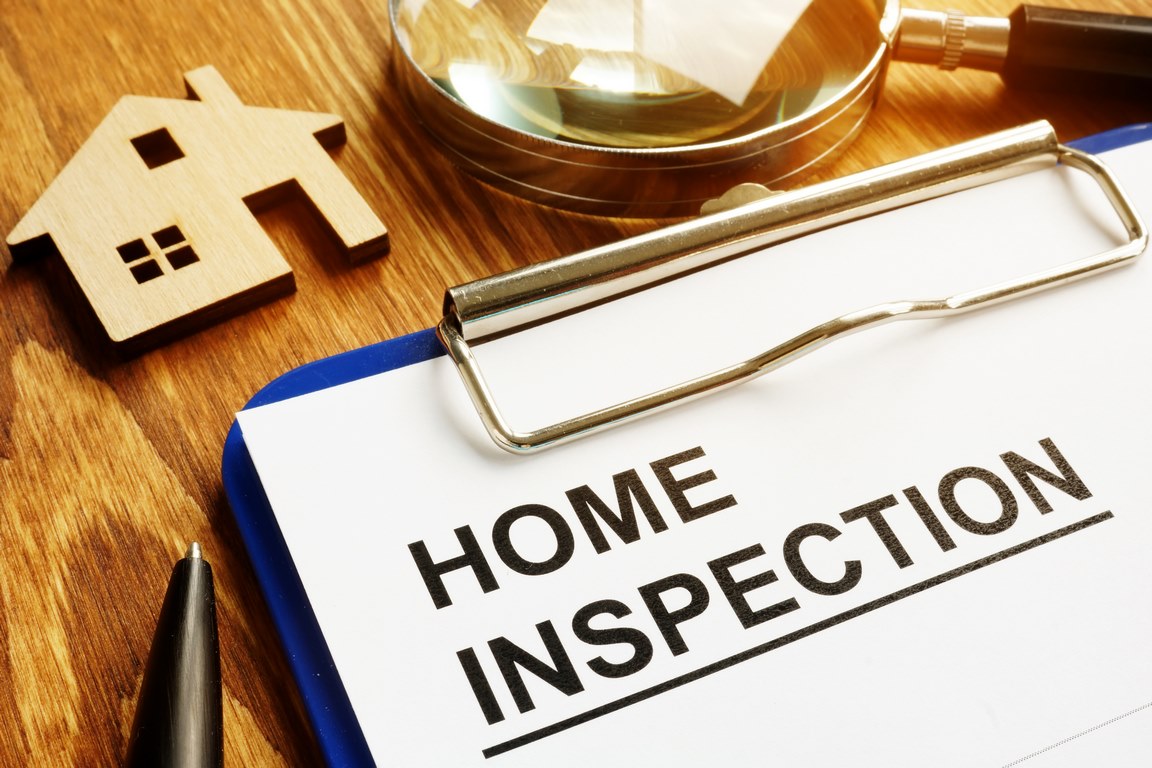
Inspection reports are typically dense with data and technical information and can be overwhelming to understand.
That said, here are some steps to assist you in comprehending your home inspection report.
1. Read the House’s General Facts and Summary
The report’s initial few pages provide key information such as the property address, the inspection date conducted by state standards of practice, information about the home inspector, and a remark key or definitions.
The home inspector will provide a key of symbols or codes to indicate the severity of each issue throughout the report.
There are two types of house inspection reports. The two formats indicated below are the most frequently used by inspectors during home inspections.
Checklist
The checklist contains a list of inspected items as well as the inspector’s assessment, which is frequently remarked as either “good,” “fair,” or “poor.” At the bottom of each checklist area, the inspector will be allowed to comment on the things listed above.
Remember that a “fair” grade does not always imply that something requires repair. Given that “good” refers to brand-new products, a “fair” quality frequently indicates minor wear and tear, such as scars on the exterior of a house.
A checklist report may be too broad or too loaded with information and may leave readers with more questions than answers.
It can be overwhelming. That said, keep a record of your inquiries and, as necessary, contact your inspector to review your questions together.
Read Also:
Narrative
Your home inspector’s observations are highlighted in greater depth in narrative reports. These are detailed inspection reports where the inspector describes what was inspected, how it was inspected, and what was discovered.
While further detail is good, concerns may arise with the inspector’s terminology and description selection.
Additionally, due to the density of this format, it may be challenging to organize your thoughts as you read it. If you have any questions or issues concerning your report, reliable inspectors can help address further concerns.
2. Recognize the Red Flags
Certain reports are color-coded to make each section easier to read and comprehend. Green means that everything is fine, blue indicates a minor issue, yellow indicates a significant issue, and red indicates a severe problem that requires attention. You can take additional actions to safeguard yourself and your investment by further examining the report.
For instance, water in a basement is a significant red signal that should be discussed with the seller, as it could suggest a structural problem or the development of mold.
Moreover, check for any toxic substances and gases mentioned in the report. Inspectors can do Radon Testing to check for carbon monoxide, and detect ammonia to make sure that the house is safe for you to live in.
Additionally, look for the term “end of life” when discussing appliances, air conditioning systems, or even roofs. This word refers to old appliances, such as furnaces and refrigerators, that will likely require replacement soon.
Lastly, examine the roof inspection report, as this is one of the most expensive components of a property.
If the inspector discovers that the roof is old or damaged, you may wish to include a stipulation in your contract requiring repair or replacement.
3. Analyze the House’s Critical Components
While most of the house’s components, from the foundation to the door frames, will be examined, certain areas are undeniably more critical.

It could be due to the repair’s expense or the hazard associated with disregarding a repair.
If you’re purchasing a home, verify that the essential components are in good operating condition. Some of these components include:
The Roof and the Chimney
Roof and chimney problems issues often go unnoticed. That said, ensure that the inspector examines the eaves and chimney’s edges for water damage or moisture signs. If feasible, schedule the inspection for a wet day.
You’ll be able to determine whether there is any water seepage in the basement or pools of water elsewhere in the yard, as well as the structural integrity of the roof.
Electrical and Plumbing System
The house’s electrical wirings must be checked too. It must be code compliant, in excellent condition, and capable of sustaining the use of your family. For instance, the electrical load must be able to sustain the simultaneous usage of computers, televisions, or a microwave.
While plumbing issues are common, they can be inconvenient if not immediately addressed. That said, you must ensure that your inspector makes a thorough checkup of the house’s plumbing system.
Takeaway
While purchasing a home can be exciting, it is critical to conduct due diligence to ensure that you get the best deal available.
A thorough house inspection can help you uncover any potential issues that could result in major headaches down the road. Once you get your inspection report, use this guide to help you read the details properly.