Table of Contents Show
Every structure starts to dilapidate right after the completion of its construction. Every owner should anticipate some maintenance issues that would require proper knowledge to prevent higher costs for repair.
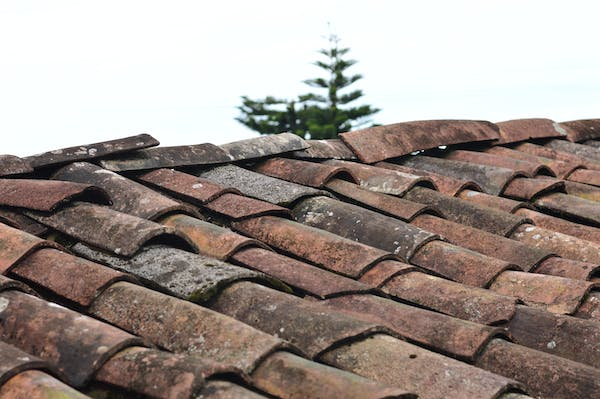
A leaky roof is one of the most common problems in a household, and many are unaware of the danger it can cause.
You must know the exact location of the leak, what caused it, and how to fix the problem.
Read on and learn everything you should know about roof repairs.
Consequences of a Leaky Roof
A leaky roof is a household maintenance issue that needs urgent repairs. It can cause inconveniences and damages to the structure, costing significant amounts of money.
Here are some of the negative effects of a leaky roof:
Reduced Structural Integrity
Water will always find its way to get to the lowest portion of an area, which means water will seep in when there are holes or punctures on the roof.
It can go to the attic floor or run below the roof slab, to the wall, then to the framing. If this continues for an extended period, the wet wood will begin to deteriorate and lose its structural integrity.
Once the water reaches the roof framing and its walls, the roof will start to sag, the walls will bow, and it might also affect the foundation if you do not solve it immediately.
Read Also:
Ineffective Insulation
A leaky roof can cause a series of damages to your house. One of the first roof components that are easily affected by a leaky roof is the insulation, which loses effectiveness when it gets wet.
The roof insulation works as a trap to heat to keep your house warm. If it fails to trap the heat, you will have to turn up your heater, which will also increase your electric bill.
An ineffective insulation can also be hazardous to health because it becomes a breeding ground for mold.
These organisms will continue growing when the temperature is between 60 and 80 degrees Fahrenheit. Remember, mold can grow on any part of the roof framing that has exposure to water.
Fire Hazard
Leaky roof problems are dangerous because they can cause fire to a structure. Water can be a fire hazard since it can come in contact with electrical wiring, especially if insulation breaks are present.
The open circuit and metal junction boxes that house wire connections can cause a fire. Anyone can also experience electric shock when they come into contact with wet open wiring.
Tips for Making Roof Repairs
A leaky roof needs immediate attention. Repairing a leaky roof using the correct methods and suitable materials can help level costs and minimize risks.
Leaks can be difficult to find, especially on complicated roof designs, roofs with low pitches, and flat roofs. Use this guide to help you in fixing your leaky roof.
1. Find the Leak
The first step in repairing a leaky roof is to find the primary cause. You may start at the lowest part of the roof leak all the way to its highest point.
A roof leak usually starts a few feet above the roofline towards the roof’s pitch. It can have white or black stains and sometimes mildew or mold.
You can also check your roof vents, such as turbines, vent stack piping, attic fans, chimneys, and other house components that require making holes through the roof.
You must also check roofing parts like wall flashing, gutters, ridge rolls, and underlayers.
2. Inspect the Roof Vents
Roof vents can be the source of your leaky roof. Check on them, especially the boots or housings that may have cracks already. Your roof vents may become dislodged due to loose nails that hold the vents of your roof.
You should remove the damaged roof vent using the proper tools and materials. Use the pry bar and pull out the nails that hold the shingles to the vent. Pull the shingles that cover the base of the vent, then remove the vent.
Replace the roof vent by applying exterior sealant or roofing cement below the vent’s flashing. While sliding the new vent, slowly roll back the shingles to their place and nail down on all corners. Finally, cover the nails with sealant or cement.
3. Check the Gutters
Another common cause of a leaky roof is a damaged gutter. The snow during the winter and storms in the rainy season are the major causes of gutter deterioration.
During winter, an ice dam can occur on your gutters as snow melts. This can cause the water to freeze on the roof’s edge, leading to water pooling. The water can then seep through the shingles and other roof openings. You will need good flashing to stop these leaks.
4. Choose the Best Time To Replace the Roofing
Now that you know some basic procedures for repairing your leaky roof, it is also crucial that you choose the best time for your project.
The ideal time to fix your leaky roof is during the dry season to prevent any accidents when going up to your roof. The schedule will also help you determine how much budget you’ll need.
5. Consult a Roofing Company
Repairing a leaky roof is not an easy job. It would be best to consult a roofing company to do the repair works. It may cost more, but it will give you greater benefits than doing it yourself.
Roofing companies follow repair procedures, use top-quality materials, and are aware of the local building codes.
You will also receive a warranty from them for their repairs and materials. Hiring a professional company will also keep you away from the dangers of fixing your leaky roof.
Key Takeaways
A roof leak is a serious maintenance work that requires proper knowledge to fix the problem. You must give adequate attention to prevent more damage that can cause danger and health problems.
- Search for the main cause of your leaky roof.
- Consider checking the roof vents.
- Gutters can cause ice or water dams.
- The right timing of your repair can save money.
- Consider hiring professionals.