Table of Contents Show
Many Canadians know the feeling of anxiety that precedes a snowstorm. Snowstorms can bring whiteout conditions, snowy roads, blowing snow, freezing rain, and hazardous driving conditions.
Preparing for a snowstorm takes work. Your vehicle should have proper winter tires installed, fresh windshield fluid, and a full tank of gas.
Your home should have water bottles stocked, plenty of non-perishable food items, and all medicines refilled. Having candles and flashlights are necessary too, in case of a power outage.
This level of preparation should also be extended to your HVAC unit. Having a well-functioning HVAC unit during severe winter weather keeps you, your family, and your pipes and electrical wiring safe.
Snow on the horizon? This article will take a look at how to prepare your HVAC unit so it can perform effectively.
Consider the Condition of the Unit
Is your HVAC unit over 15 years old? It might be time to look at replacing it. Common symptoms of a failing HVAC unit are:
- Insufficient heat throughout the dwelling
- Strange, unusual sounds
- A rotten or burning smell emanating from the unit
- Rising utility bills without a clear cause
Take note that poor insulation is a common cause of rising utility bills. If you’ve had your HVAC unit checked over and all is in order, consider updating your insulation.
If your unit is competing with cold air coming through the weak spots in your insulation, it’s going to work harder to keep the temperature at a reasonable level.
Read Also:
Preparing your HVAC Unit
An HVAC unit that is in good working condition won’t need a ton of tuning up before weather hits, but it’s always prudent to perform your due diligence.
Here are some basic tasks to check off your storm preparation list before the snow flies:
- Be sure to change your air filters. A fresh filter will allow warm air to pass through unencumbered and catch dust and dirt efficiently. Have a few extra on hand if the storm will be particularly severe.
- If your HVAC unit or your generator runs on fuel, have extra on hand.
- Keep your vents or baseboards clear of clothing or furniture. This allows warm air to circulate freely and eliminates a potential fire hazard.
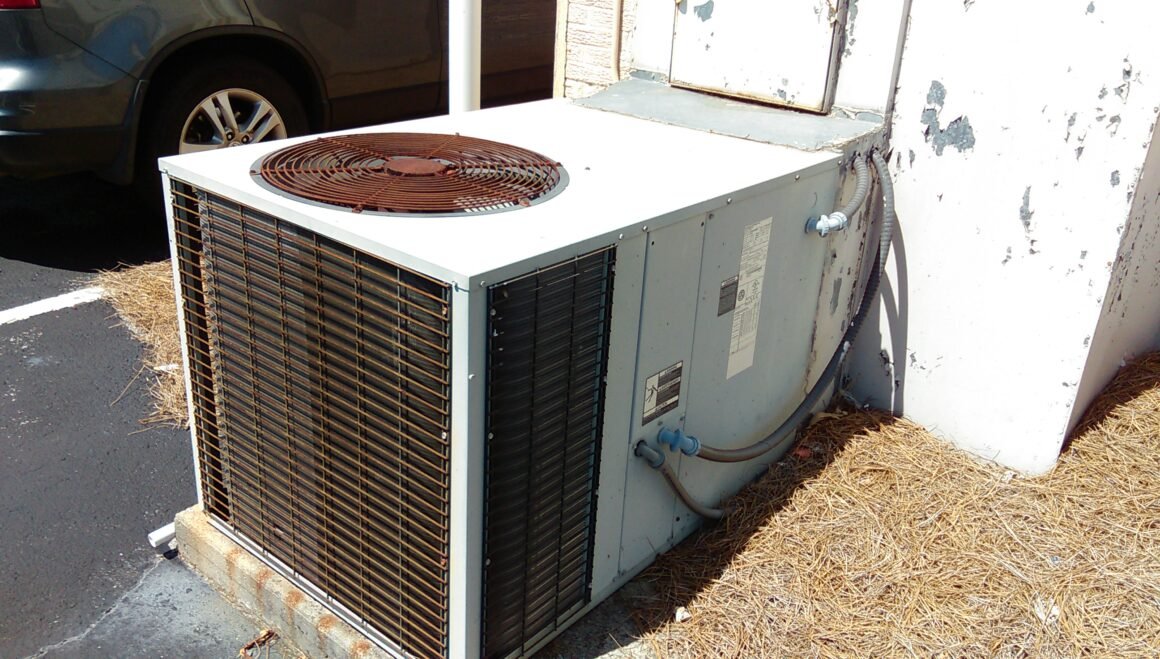
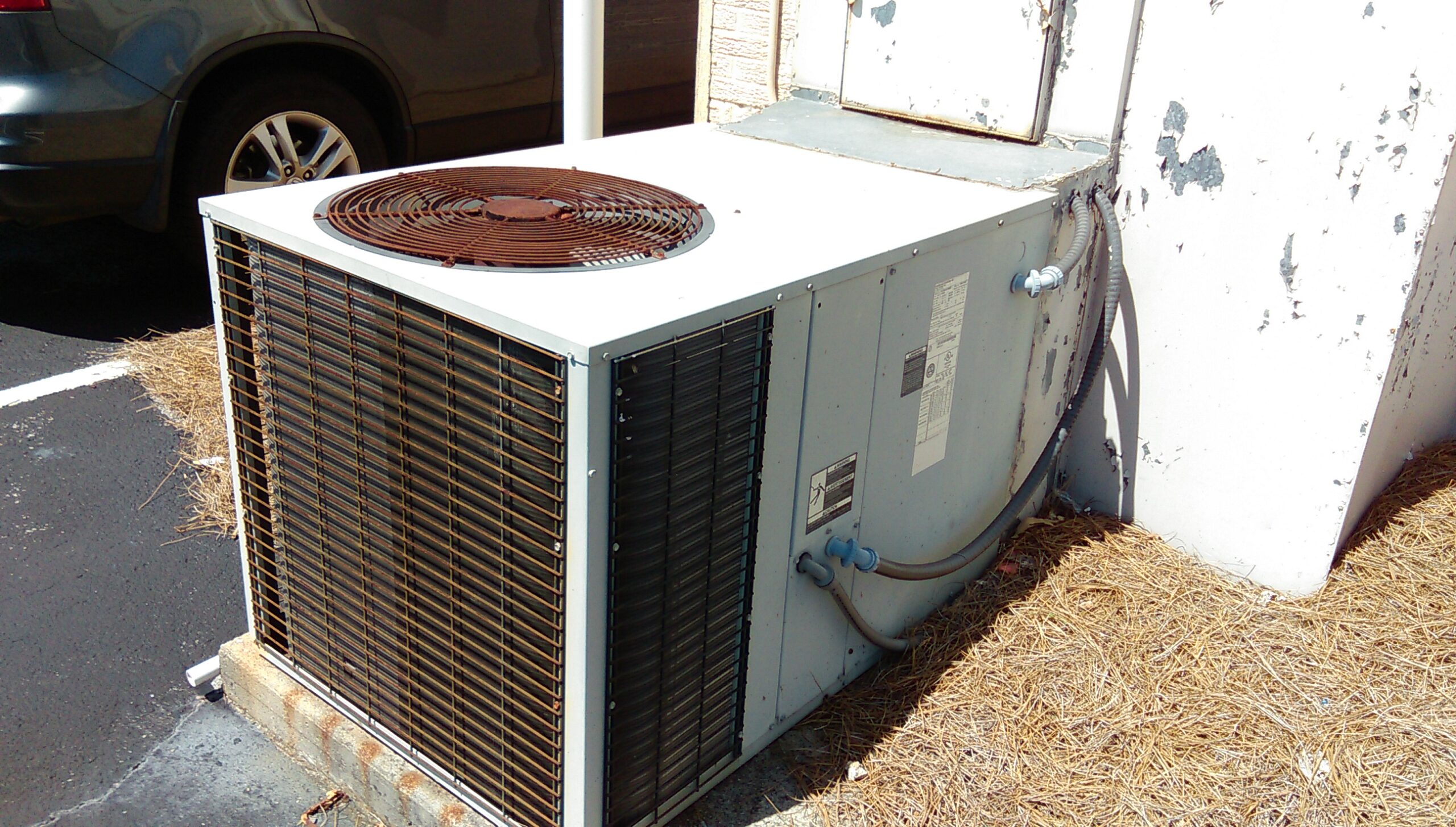
- If you have an outdoor unit, clear the area of any debris and ensure your auto-defrost and pan heater are in good working order. Snow will undoubtedly fall on top of it, so having a clear area to shovel makes it easier for you and safer for the unit’s operation.
A note on the above: If your unit becomes encrusted with the difficult combination of ice and snow, you need to clear it off as soon as the storm passes.
The heating and cooling experts at Fredericton’s BG Services recommend disconnecting power to the unit and pouring hot water over the snow. They also discourage the use of ice picks or shovels to clear the top of the unit.
- Schedule an inspection of your HVAC unit before winter hits. This extra bit of preparation gives you peace of mind and can eliminate the chance of heating issues during a storm.
Consider a Generator
Having a generator can mean the difference between a cold home at risk for frozen or burst pipes or a home kept warm and safe.
If you live in a rural area, it’s especially important to consider investing in a generator. Rural areas are not only high risk for power outages but they also typically take longer to restore.
Conclusion
The aftermath of a snowstorm is overwhelming. We know it means snow blowing, or worse, shovelling for at least an hour or two at best. For many, it means days-long power outages, burst pipes, and a lot of stress.
Follow these tips to ensure your HVAC unit performs well and keeps you and your home safe from cold and snowy conditions.