Table of Contents Show
LEED, also known as Leadership in Energy and Environmental Design, is an internationally recognized certificate of excellence in green home building and sustainable construction.
LEED certification ensures buildings meet modern sustainability performance standards, including energy efficiency, water conservation, indoor air quality, responsible use of materials, and more. This article will showcase the benefits of going for a LEED-certified home.
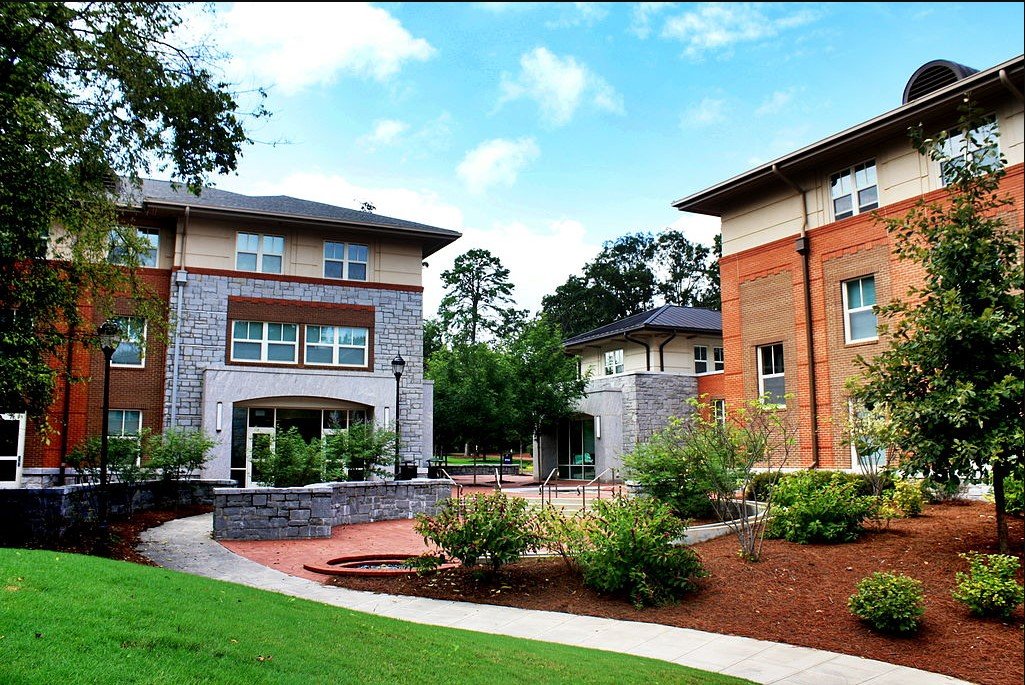
Getting LEED Certification
The LEED certification process ensures that projects meet the highest sustainability standards. Developed by the Green Building Certification Institute (GBCI), this system uses an extensive verification and review process to award points corresponding to different LEED certification levels.
Projects ranging from 40-49 points receive the minimum certification level “Certified.” A step above that would be 50-59 points, and these projects receive the “Silver” certification. Lastly, projects that obtain 60-79 points will receive “Gold” certification.
With this system in place, businesses can rest assured that their projects adhere to the highest sustainability standards.
Better Indoor Air Quality
Since LEED-certified homes provide a healthier living environment for occupants and their families, they maximize ventilation by incorporating fresh outdoor air and minimizing exposure to airborne toxins and pollutants.
Air pollution is a growing threat that affects our health and environment. Mold growth is one of the leading causes of air pollution, typically due to moisture build-up in areas like wall cavities.
To reduce the impact of these pollutants, homeowners must take action to prevent mold growth in these areas. You can take action by installing Elmdor Access Doors and Panels.
These access doors keep moisture out and maintain a dry environment, thus reducing the risk of mold growth and its associated air pollution.
Ventilation systems bring in fresh, clean air while flushing out contaminated air, leaving the indoor air cleaner and healthier.
Enhanced ventilation systems commonly found in projects aiming for LEED certification take this one step further, providing even more efficient filtration of pollutants and contaminants from the indoor air.
These sophisticated ventilation systems can make a home more livable and energy-efficient with proper installation.
Lower Utility Bills
According to the USGBC, most families living in LEED-certified homes spend around $2,150 less annually to pay residential energy bills.
How does it achieve this?
LEED-certified homes offer an eco-friendly and sustainable way to live. These homes are designed with energy efficiency in mind, ensuring they can be comfortably heated and cooled while minimizing energy consumption.
Additionally, construction companies design these buildings to reduce indoor and outdoor water usage, making them even more environmentally friendly.
LEED certification also ensures that contractors build these homes with high-quality materials that promote long-term durability, providing fewer repairs with proper maintenance.
Increasing Home Value
Contractors carefully construct these buildings with the highest standards to ensure LEED-certified homes reach sustainability and efficiency in mind standards. With the proper planning, these homes will pay off in energy savings over time and make up for any upfront costs.
By investing in LEED certification, you could enjoy a 6.6% increase in your property’s asset valuation while also reducing maintenance costs and promoting healthier living conditions for those who inhabit the building.
Investing in a LEED-certified home is a great way to get long-term savings.
Not only can you take advantage of increased energy efficiency and lower utility bills, but you may also be eligible for additional protection through tax breaks and discounted insurance, depending on where you live.
These benefits can be a good investment that pays financial and environmental dividends.
As the world is getting closer to the 2030 sustainable development goal, laws are becoming more stringent to reduce environmental damage.
Businesses and homes must take action now to ensure their building is eco-friendly. By introducing sustainable features today, companies can save time and money in the long run by reducing their carbon footprint and avoiding hefty fines for non-compliance.
Boost Home Durability
With the climate crisis intensifying, the importance of this emphasis has never been greater. Because of the focus on resilient design, LEED certification helps create homes that can withstand extreme weather events and perform efficiently in changing conditions.
LEED homes are energy efficient and environmentally friendly, providing an added layer of protection during natural disasters. Using proactive design planning, designers create LEED-certified homes to withstand adverse weather impacts and minimize damage.
By guaranteeing only the best materials, LEED certification also helps reduce costly repairs in the future with proper maintenance. This certification saves homeowners money in the long run and provides peace of mind that their home lasts for a long time.
Benefit from Experimental Construction Materials
The construction industry has seen an unprecedented demand for concrete, the primary building material of choice. This increased demand is mainly due to its versatility, strength, and affordability.
Unfortunately, this surge in demand has come at a cost to our environment – significantly contributing to carbon emissions, water pollution, and land degradation.
Environmentalists typically consider fly ash an environmental hazard because it’s a byproduct of coal-burning corporations’ release into the atmosphere. However, with the advent of standardized environmental practices, fly ash has become a valuable resource for construction and building.
By utilizing this material in fly ash concrete, we can reduce our reliance on traditional materials while also helping to reduce our environmental footprint.
Fly ash concrete is sustainable and provides additional structural benefits, and just like concrete, you can expect its usage in various applications. This concrete innovation makes it an excellent choice for eco-friendly construction projects.
Change Through Concerted Effort
LEED certification is one of our best standards for designing sustainable buildings. By investing in LEED-certified homes, you can enjoy a healthier living environment and significantly reduce your environmental impact.
Not only will you make a vital contribution to the fight against climate change, but you can also save money on energy costs.
It’s time to take action and create the living environment we want. We can significantly change society by taking small steps to form better habits in the future.
Our individual choices can dramatically impact the world around us, so let’s use our power to create a better future. Working together towards this common goal of creating a better living environment is the first step towards making positive change.
If you’re looking for a reliable and professional building certification service, you should check out https://www.