Table of Contents Show
In many homes, this becomes noticeable slowly, often after months of regular exposure to outdoor water and dust.
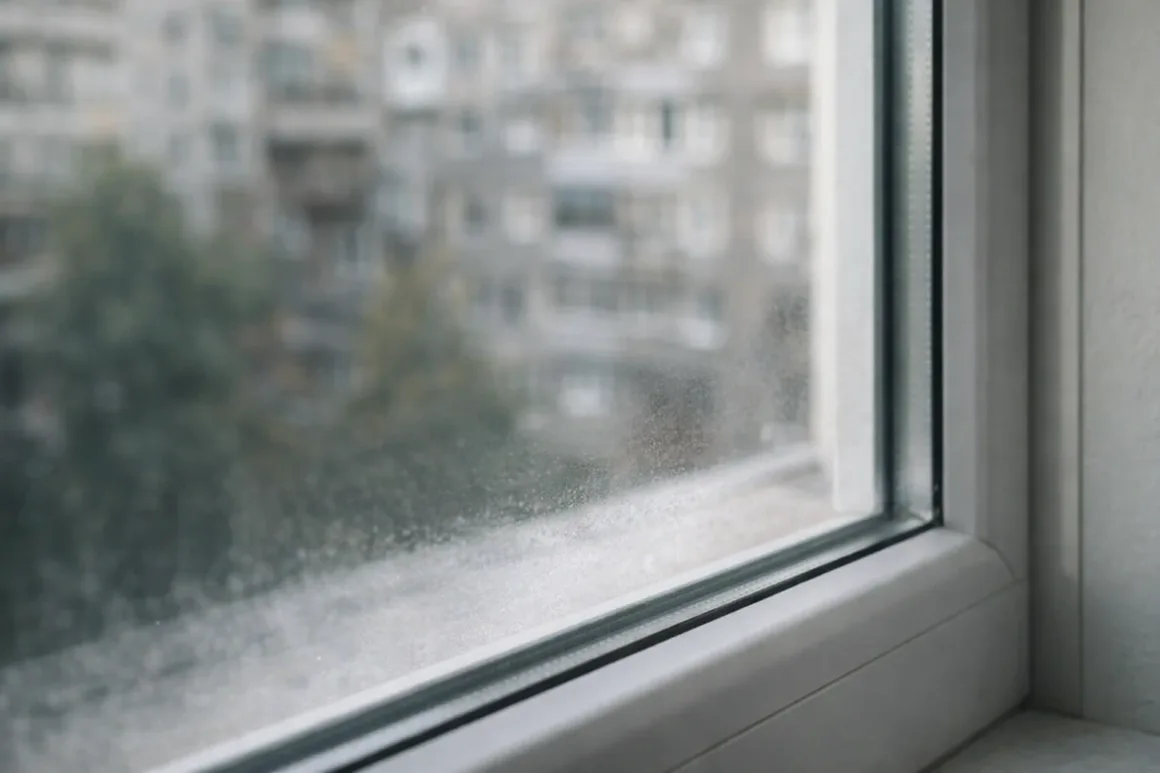
Hard water stains rarely show up all at once. They tend to build slowly — a faint haze here, a dull patch there — until one day the glass just never looks fully clean anymore, no matter how often you wipe it.
These marks form when minerals in water stay behind after moisture dries. It’s an easy thing to miss at first, especially in homes where windows are rinsed often or exposed to sprinklers.
As water keeps hitting the same spots, that residue slowly builds up. It can start to look stubborn, even when it isn’t permanent yet. What often helps is knowing when to clean gently — and when it’s better to stop pushing.
Why Hard Water Stains Keep Showing Up
When water evaporates, minerals like calcium and magnesium stay behind on the surface.
That’s why stains tend to appear in familiar places: near sprinklers, along window edges, or where water splashes repeatedly.
After repeated exposure, those minerals can start bonding with the glass. Once that happens, stains become harder to remove — not because they’re dirtier, but because they’ve had more time to settle in.
Small Habits That Help Before You Start Scrubbing
Before focusing on stain removal, it helps to adjust a few everyday habits. They don’t take much effort, but over time they make everyday cleaning feel easier.
- Dry windows after washing or rainfall instead of letting water air-dry.
- Use soft microfiber cloths or a squeegee rather than rough pads.
- Rinse with clean water so residue doesn’t settle back onto the glass.
- Wipe window edges and frames, where buildup often starts quietly.
- If possible, redirect sprinklers so they don’t hit the glass directly.
None of these steps feel dramatic, but over time they do help cut down how often stains come back. They also make cleaning feel less like a chore and more like part of a normal routine.
For more ideas on keeping glass clear during regular care, you may also enjoy these practical tips for keeping glass partitions crystal-clean.
How to Remove Hard Water Stains From Windows
If stains are already visible, it helps to slow down and work gently rather than trying to force quick results. Scrubbing harder rarely helps and can sometimes make the surface look worse.
- Rinse the window with plain water to remove loose dirt or dust.
- Apply a small amount of mild hard-water cleaner or diluted vinegar to a soft cloth.
- Work in light, circular motions over the stained area.
- Let the solution sit briefly so it can soften the mineral residue.
- Wipe clean and check the surface before repeating.
- Rinse thoroughly and dry the glass to prevent new marks from forming.
Changes usually show up slowly, sometimes only when you step back and look at the glass in different light.
A Simple Vinegar Method for Light Buildup
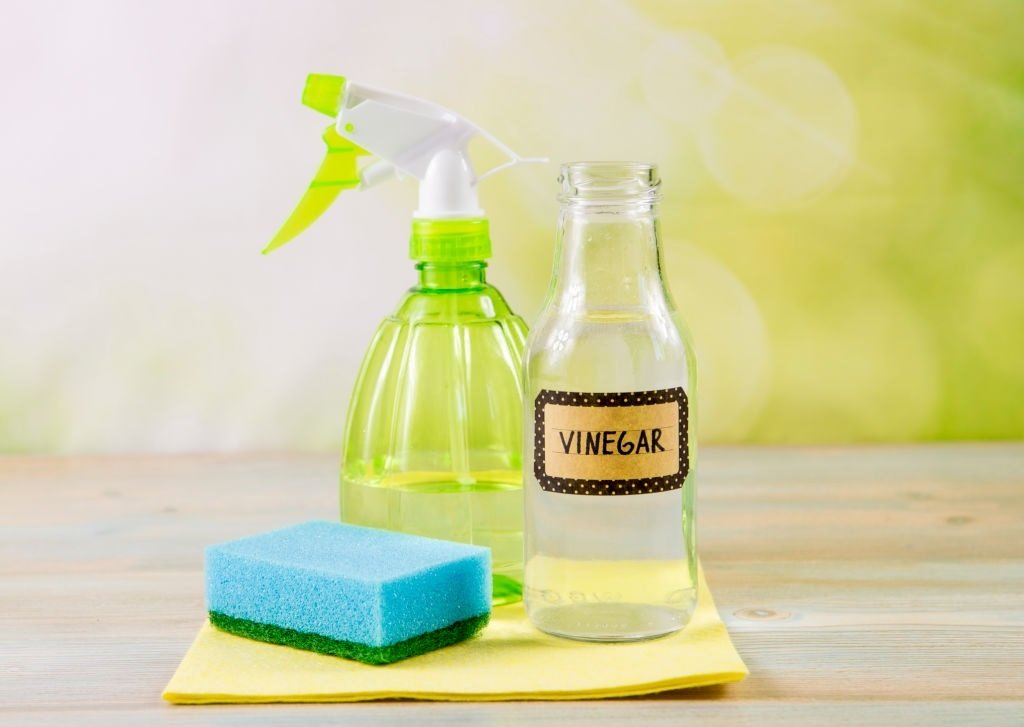
For lighter buildup, plain white vinegar is often enough to make a noticeable difference. It works by gently loosening mineral residue without being harsh on the glass.
- Mix equal parts vinegar and water.
- Soak a cloth with the mixture.
- Place it over the stained area for a few minutes.
- Wipe gently until the haze starts to lift.
- Dry the glass completely.
It helps most when the buildup hasn’t been sitting there for years. If the glass still looks cloudy afterward, the buildup may be more permanent.
Comparing Common Cleaning Options (What Actually Makes Sense to Try)
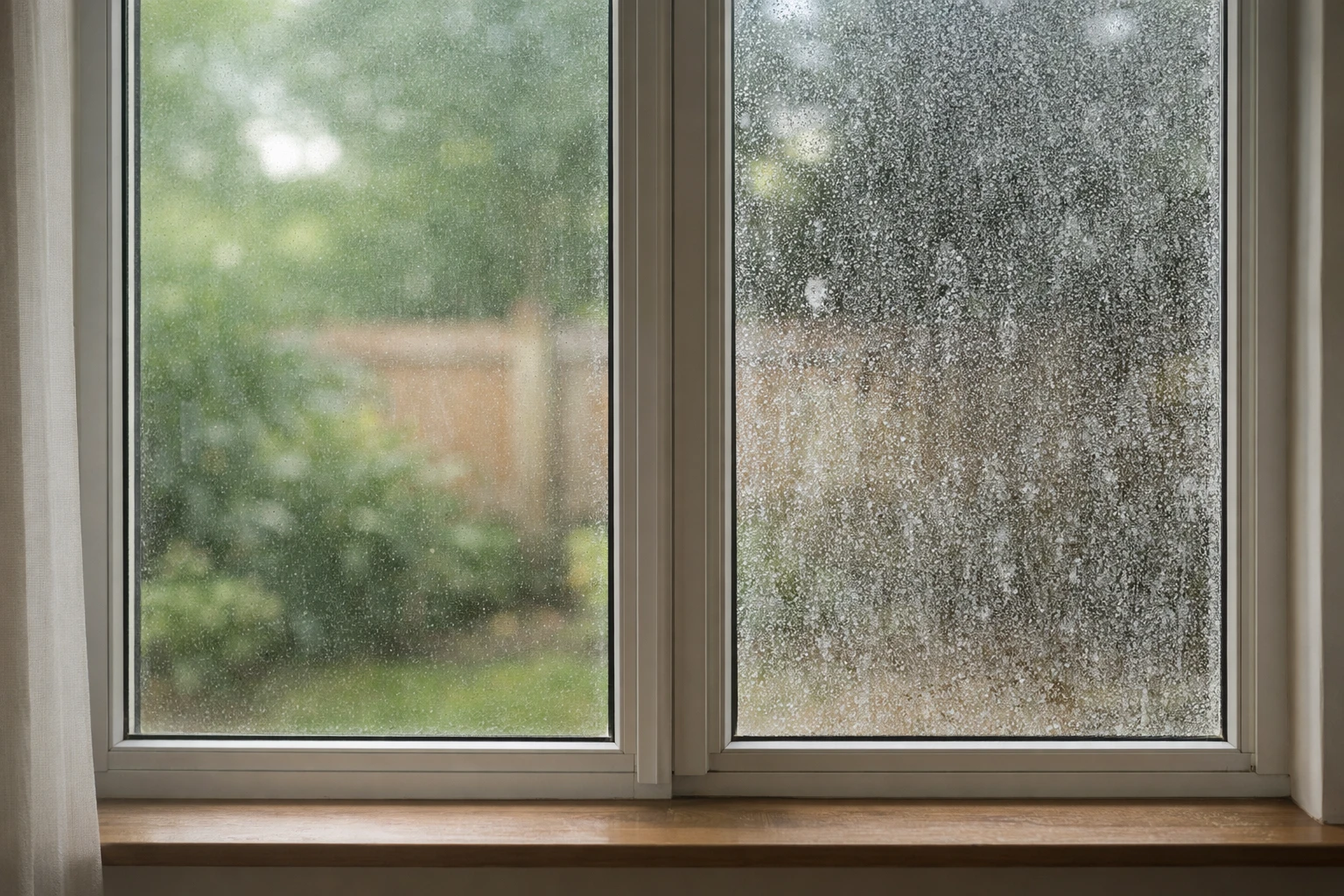
This is often where frustration starts — different approaches work at different stages, and it’s not always obvious which one fits. Some methods help early on, while others only make sense once buildup becomes more stubborn.
| Cleaning option | Best used for | Things to keep in mind |
|---|---|---|
| White vinegar | Light to moderate mineral haze | Gentle and easy to try, but limited on older or deeply set stains |
| Citric acid–based cleaners | Stubborn buildup that hasn’t fully bonded to the glass | Often stronger than vinegar; best used carefully and not too often |
| Commercial hard-water cleaners | Heavier or recurring residue | Can help when milder methods fail, but should be used sparingly |
| Mechanical scrubbing | Very light surface residue only | Too much pressure can scratch glass and make haze worse over time |
Quick Safety Note
Some acidic cleaners, including stronger citric-acid solutions or commercial descalers, can affect nearby materials such as painted wood, coated metal, or window seals. Before using any acidic product, it’s a good idea to test a small, hidden area first and avoid letting the solution sit too long on surrounding surfaces. Good ventilation and basic hand protection also help reduce irritation when working with stronger cleaners.
Note: Avoid abrasive tools such as steel wool or harsh scrubbing pads on glass surfaces. These can create fine scratches that make future buildup more visible and harder to clean.
Timing plays a bigger role than most people expect. In many homes, stains become harder to deal with simply because no one notices them right away. Light buildup usually responds better to gentle cleaning, while older residue tends to resist even stronger methods.
This comparison isn’t about finding a “best” product. It’s about choosing the least aggressive option that still makes sense for the condition you’re dealing with. In many homes, starting gently — and stopping early — prevents more damage than pushing for a perfect result.
When Stains Don’t Fully Come Off
Some marks aren’t just surface residue anymore — they’re signs that the glass itself has been affected over time. In those cases, cleaning can improve appearance but won’t fully restore clarity.
If you’ve tried gentle cleaning a few times and nothing really changes, it’s usually better to stop rather than scrub harder. Overworking the surface can leave fine scratches that make windows look dull in the long run.
If the residue is stubborn, you might also find value in tips for dealing with stubborn residue on window surfaces, which can offer insight on handling tougher buildup scenarios.
How to Tell When Glass Damage May Be Permanent
Not all cloudy marks on glass are removable. In some cases, long-term mineral exposure can slowly etch the surface itself, leaving a dull or uneven appearance that cleaning alone can’t fix.
Signs that the glass may be permanently affected include a rough or uneven feel when you run your fingers across it, visible texture that doesn’t change after gentle cleaning, or cloudy areas that look the same whether the surface is wet or dry.
At that point, continuing to scrub often does more harm than good. Professional polishing or glass restoration may help in some situations, but in others, replacement is the only way to fully restore clarity.
Tools That Make Window Cleaning Easier

The right tools can make cleaning feel more manageable and less like a chore you keep putting off. Soft cloths, non-scratch pads, and a good squeegee go a long way. If you want a practical overview, you can also look through this guide to window cleaning tools.
To build on the idea of gentle cleaning, check out simple solutions for common window cleaning problems that many homeowners tackle with everyday tools.
Preventing Hard Water Stains Over Time
Prevention usually comes down to doing small things consistently rather than cleaning aggressively once in a while.
- Dry glass after it gets wet.
- Clean lightly but more often.
- Watch for spots where water repeatedly splashes.
- Work window care into your regular home-cleaning rhythm.
Over time, small routines like these quietly make a difference, even if it doesn’t feel dramatic day to day.
Final Thoughts
Hard water stains are common, especially in homes where water regularly touches glass. They don’t mean your windows are ruined, and they don’t always need aggressive fixes.
In everyday homes, maintenance rarely happens all at once. It’s shaped by small moments — noticing a mark in the afternoon light, wiping a corner while cleaning something else, or choosing not to push a surface too far. Those small decisions tend to matter more over time than any single deep clean.
A slower, more consistent approach is often easier to live with. Gentle care done regularly usually keeps buildup manageable without turning window cleaning into a recurring project.
With realistic expectations and a bit of patience, most windows can stay clear enough to feel clean and comfortable — even if they’re never perfectly spotless.