Amidst skyrocketing real estate prices, the dream of owning a home stays just that for many people – a dream.
The tiny house movement may be the answer.
Based on minimalism, cost-effectiveness, and smart spaces, tiny houses offer maximum quality of life on a minimum of square footage.
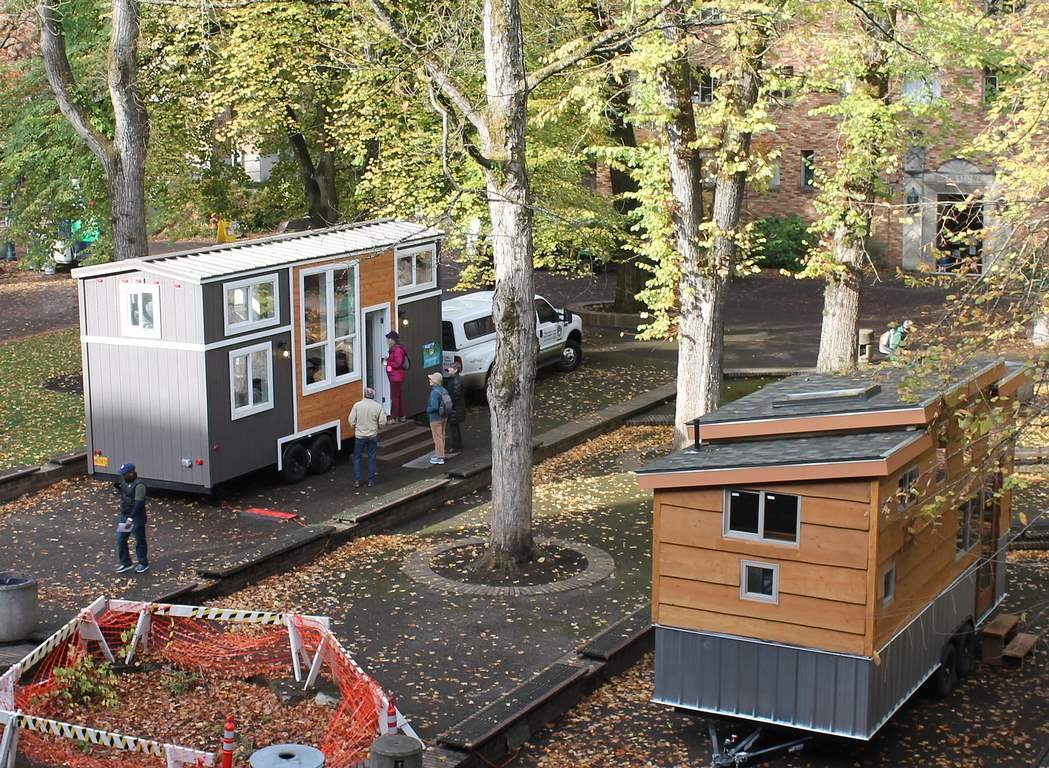
Keep reading to find out how tiny houses work – and if they may be right for you.
Dare to Dream Small: Tiny Houses on the Rise
On average, tiny houses offer between 100 and 400 square feet of living space.
The trend of building such minuscule homes started in the 1970s, gathered momentum throughout the 90s, and really took off over the last decade.
Considering that home prices have more than doubled since the turn of the millennium, that is hardly surprising. Tiny houses offer a comparatively affordable alternative.
You can get a modest, well-equipped version – around 150 square feet, suitable for a year-round living – for as little as $25,000, the price of a mid-range car. The median price for professionally-built tiny houses at around 200 square feet, though, is closer to $60,000.
But even if you opt for a luxury-grade tiny home of up to 400 square feet, it would tally in at only $150,000 – considerably less than the average cost of $300,000 to construct a regular-size house.
In 2020, tiny houses are becoming ever-more popular. In fact, estimates have the tiny house market increasing by as much as $5.8 billion by 2024.
What exactly is it, though, those tiny homes have to offer?
The Appeal of Tiny Houses
Apart from being gentle to your wallet during construction, tiny houses are also easier and cheaper to maintain. On average, monthly housing expenses can amount to as little as $600.
Overall, this means that you might not even have to take out a mortgage plan to get home. (Statistics actually show that 68% of tiny home occupants own their houses and are mortgage-free.)
In addition, tiny houses also score serious green points. In the midst of a climate crisis, living in an environmentally friendly way is a strong priority for many people.
Living in a tiny house can be a big part of that. Apart from having a smaller construction carbon footprint, these homes also have lower energy demands.
That’s a bonus for your bank account – and the planet. Plus, there are some ultra-green versions of tiny houses that are powered and heated entirely through solar energy.
Finally, many tiny house owners also love their homes for their snug size. They appreciate the coziness, low-maintenance relaxation, and minimalistic peace of mind.
Keep the Drawbacks in Mind
Despite all their positive aspects, tiny homes also have some drawbacks.
First off, you need good financing. Unlike traditional homes, there are no mortgages for tiny houses. Aspiring homeowners thus need to find other ways of financing their projects.
Secondly, the lot on which you build your tiny house is a huge cost factor, no matter whether you buy or rent it. In some places, zoning laws may even prevent you from building a tiny home.
Some states – like California, Florida, or Oregon – make building a tiny house much easier than others.
Finally, the fact that you’re living in a very small space may also be a drawback for you. Instead of feeling cozy, you could quickly develop the feeling of living in a cramped, stuffy box. Especially if you don’t live alone. Carving out privacy in a tiny home can be a challenge.
At the end of the day, tiny houses are extremely attractive financially. If they are right for you, though, depends on your family situation, the laws in your area – and your own space preferences.