• Home Improvement
    • DIY
    • Remodeling
    • Woodworking
    • Home Design
      • Furniture
      • Organize
      • Tips
      • Decor
        • Interior
        • Exterior
    • Design Ideas
      • Bathroom
      • Bedroom
      • Dining Room
      • Living Room
      • Kitchen
  • Gardening
    • Backyard
    • Front Yard
    • Landscaping
  • Building Staircase
  • Categories
    • Home Improvement
    • Decor
    • Gardening
    • Woodworking
    • Lifestyle
    • Green Living
    • Real Estate
Dream Lands Design
  • Home Improvement
    • DIY
    • Remodeling
    • Woodworking
    • Home Design
      • Furniture
      • Organize
      • Tips
      • Decor
        • Interior
        • Exterior
    • Design Ideas
      • Bathroom
      • Bedroom
      • Dining Room
      • Living Room
      • Kitchen
  • Gardening
    • Backyard
    • Front Yard
    • Landscaping
  • Building Staircase
  • Categories
    • Home Improvement
    • Decor
    • Gardening
    • Woodworking
    • Lifestyle
    • Green Living
    • Real Estate
featured image - Top 5 Pests That Live in Basements

Top 5 Pests That Live in Basements

  • Perla Irish
  • November 28, 2021
Total
6
Shares
0
0
6
0
0
Table of Contents Show
  1. 1. Waterbugs and Cockroaches
  2. 2. Spiders
  3. 3. Millipedes and Centipedes
  4. 4. Mice and Rats
  5. 5. Snails and Slugs
  6. Better to Prevent Than to Fight

The variety of pests that live in basements is huge. In damp, warm, and poorly ventilated areas, many insects, mollusks, and rodents thrive. This article compiled five of the most common basement pests. Regardless of the specific type, the main reasons for their appearance include:

  • high humidity;
  • lack of lighting;
  • improper storage of food;
  • presence of cracks and holes.

The first step is to eliminate these four causes to get rid of most species. So what are the top five common pests?
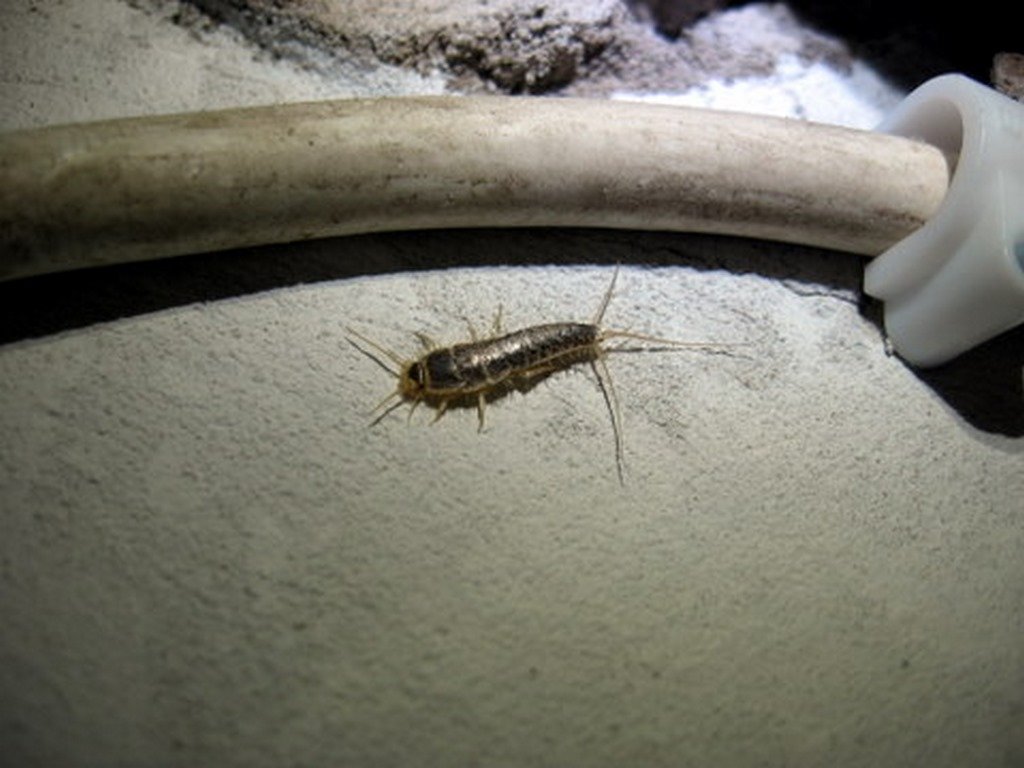
image - Top 5 Pests That Live in Basements
Top 5 Pests That Live in Basements

1. Waterbugs and Cockroaches

These two types of insects are very similar to each other, so people often confuse them. Be that as it may, both waterbugs and cockroaches are attracted to wet rooms with access to food or food waste.

The fight against them is made difficult by the fact that they lay eggs in hard-to-reach places. Besides, they reproduce very quickly. So if an infestation is not urgently prevented, it can become a real headache.

2. Spiders

There are spiders in every home. Unfortunately, you’ll have to resign to this idea. They are especially common in basements, garages, and ground floors. As a rule, they do not show themselves to a person’s eyes and build nests in the far corners, where little sunlight penetrates.

In general, they are harmless creatures that, among other things, can be useful since they catch other insects. The main thing is that the spiders that have settled in your basement are not poisonous. In this case, it is better to call insect specialists.


Read Also:

  • The Complete Guide on How to Get Rid of Spiders in Your Garden
  • How to Keep Spiders Out of Your Wardrobe – Easy Ways
  • 5 Tips to Prevent Pests from Invading your Garden
  • Find Out Which Insects Are Toxic to Your Pets

3. Millipedes and Centipedes

It is another unpleasant pest that adores damp and dark rooms. Just like spiders, they hunt other insects. On the one hand, it is not bad. On the other hand, the more insects you have, the more centipedes or millipedes will live in your basement.

They do not attack people and try to hide in the nearest crack at the first sign of danger. However, you should be careful as centipedes can bite.

4. Mice and Rats

Any rodents are an absolute disaster for things stored in a basement. They can destroy literally everything (food, boxes, wiring, hardwood floors, and so on) in a very short period due to their enormous appetite.

They are pretty smart creatures that are hard to catch. In addition to the fact that they can eat absolutely everything in your basement, they can carry dangerous diseases.

5. Snails and Slugs

Snails and slugs are not often found on the lists of basement pests; however, probably everyone has encountered them. These are unpretentious creatures that eat a lot and, with their irrepressible appetite, can spoil food or crops stored in a room.

If rain, groundwater, or water from a leaking pipe gets into your basement, and it does not heat well, be prepared for slugs and snails to appear in it very soon.

Better to Prevent Than to Fight

Fighting many types of pests takes a lot of effort, time, and money. Therefore, the best solution is to prevent their occurrence. Clean your basement thoroughly, control the humidity level, ventilate the area regularly, and quickly seal holes and cracks through which insects and rodents can enter.

Total
6
Shares
Share 0
Tweet 0
Pin it 6
Share 0
Share 0
Previous Article
featured image - Why Remodel Your Bathroom Today

Why Remodel Your Bathroom Today?

  • Perla Irish
  • November 28, 2021
View Post
Next Article
featured image - How to Save Space in a Studio Apartment

How to Save Space in a Studio Apartment

  • Perla Irish
  • November 28, 2021
View Post

Subscribe

Subscribe now to our newsletter

You May Also Like
comfortable home office workspace with desk near window and natural lighting
View Post

How to Create a Comfortable Home Office That Supports Everyday Work

  • March 9, 2026
Modern household appliances including refrigerator, washer, dryer, and dishwasher inside a contemporary home interior
View Post

How Modern Home Appliances Changed Daily Life in Today’s Homes

  • March 7, 2026
Installed sump pump system in residential basement concrete floor basin
View Post

Sump Pump Maintenance Checklist: How to Keep Your System Ready Before the Next Storm

  • February 28, 2026
Wall-mounted ductless mini split air conditioner in a modern living room
View Post

Maintenance Practices That Extend Ductless Heating and Air System Life

  • February 14, 2026
Ceiling HVAC air vents integrated into a quiet residential living room
View Post

How HVAC Systems Actually Work (and Why They Often Feel Inefficient at Home)

  • February 4, 2026
Wall-mounted home thermostat and HVAC air vent in a quiet residential hallway
View Post

Understanding Home HVAC Systems: What Actually Matters, What Doesn’t, and When to Act

  • February 4, 2026
Air conditioner integrated into a calm residential living space during daytime
View Post

Why Your Air Conditioner Is Not Blowing Cold Air (And What That Usually Means)

  • January 31, 2026
Wall-mounted air conditioner in a quiet living room during daytime
View Post

Leaving the Air Conditioner On All Day: When It Helps, When It Quietly Backfires

  • January 31, 2026
  • About
  • Privacy Policy
  • Terms of Use
  • Disclosure
  • Sitemap
  • Contact Us

Input your search keywords and press Enter.