• Home Improvement
    • DIY
    • Remodeling
    • Woodworking
    • Home Design
      • Furniture
      • Organize
      • Tips
      • Decor
        • Interior
        • Exterior
    • Design Ideas
      • Bathroom
      • Bedroom
      • Dining Room
      • Living Room
      • Kitchen
  • Gardening
    • Backyard
    • Front Yard
    • Landscaping
  • Building Staircase
  • Categories
    • Home Improvement
    • Decor
    • Gardening
    • Woodworking
    • Lifestyle
    • Green Living
    • Real Estate
Dream Lands Design
  • Home Improvement
    • DIY
    • Remodeling
    • Woodworking
    • Home Design
      • Furniture
      • Organize
      • Tips
      • Decor
        • Interior
        • Exterior
    • Design Ideas
      • Bathroom
      • Bedroom
      • Dining Room
      • Living Room
      • Kitchen
  • Gardening
    • Backyard
    • Front Yard
    • Landscaping
  • Building Staircase
  • Categories
    • Home Improvement
    • Decor
    • Gardening
    • Woodworking
    • Lifestyle
    • Green Living
    • Real Estate
featured image - 5 Ways to Protect Your Home from Flooding

5 Ways to Protect Your Home from Flooding

  • Perla Irish
  • November 22, 2022
Total
2
Shares
0
0
2
0
0
Table of Contents Show
  1. 1. Elevate Your Home
  2. 2. Create a Barrier Around Your Home
  3. 3. Install a Sump Pump in Your Basement
  4. 4. Check for Leaks
  5. 5. Learn from the Past
  6. Protect Your Home Against Flooding

Do you know what you should do if you’re faced with flooding in your home?

Although floods are not too common in your average American city, they are one of the most devastating types of natural disasters. And if you’re unprepared, they can entirely ruin your home. In fact, 40% of all insured property damage in the U.S. is water damage.
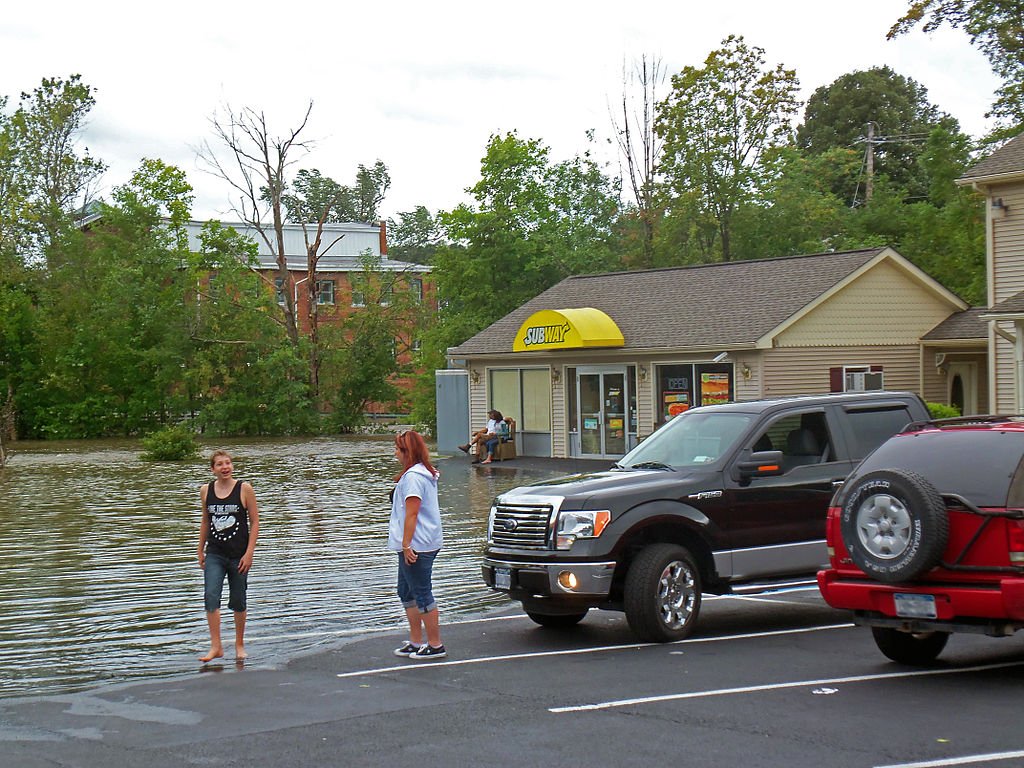
image - 5 Ways to Protect Your Home from Flooding
5 Ways to Protect Your Home from Flooding

Luckily, you can prevent this from happening if you’re prepared.

This article will explain the different types of flooding and how to protect your home and keep it safe in case the worst occurs. Keep reading to find out everything there is to know about protecting your home from flooding.

1. Elevate Your Home

There are a number of ways that you can protect your home from flooding. One way is to elevate your home.

This can be done by building your home on stilts or by elevating the first floor of your home above the floodplain. This will help to keep your home from being engulfed by floodwaters.

You can also add pier supports or raise the foundation. This will help to prevent your home from being inundated with water.


Read Also:

  • Flood Proofing a House: 7 Ways to Flood Proof Your Home Today
  • 8-Step Checklist for Dealing with Flood and Water Damage
  • What to Do When Your Home Is at Risk of Flooding
  • How to Prevent Flood Damage

2. Create a Barrier Around Your Home

If your home is at risk of flooding, one of the most important things you can do is to create a barrier around your home. This can be done by raising the level of your yard, building a retaining wall, or installing a French drain.

The barrier will help to keep water from getting into your home and will also help to prevent damage to your foundation. You should also make sure that your gutters and downspouts are in good condition and are able to drain water properly away from your home.

Read this helpful article on what to do immediately after experiencing flood damage.

3. Install a Sump Pump in Your Basement

Another way to protect your home from flooding is to install a sump pump.

A sump pump is a small, electrically-powered pump that is installed in the lowest part of your basement. Its purpose is to remove water that has seeped into the basement, preventing flooding.

Sump pumps are typically used in homes located in flood-prone areas. However, even homes that are not located in flood zones can benefit from having a sump pump.

4. Check for Leaks

One way to help protect your home from flooding is to check for leaks in your home’s foundation, walls, and ceiling. Look for any cracks or gaps where water could seep in.

If you find any, seal them with caulk or another type of sealant.

You should also check your gutters and downspouts to make sure they’re not blocked or clogged. If they are, water could back up and cause flooding.

5. Learn from the Past

There are several ways to protect your home from flooding. One way is to learn from the past and prepare for future floods.

You can take measures to strengthen your home against flooding, such as installing floodproof doors and windows and raising your electric and plumbing systems. You can also purchase flood insurance to protect yourself financially in the event of a flood.

Protect Your Home Against Flooding

Flooding is a serious problem that can damage your home and belongings. There are some simple steps you can take to help protect your home from flooding. Taking these precautions can help reduce the risk of flooding and keep your home and belongings safe.

For more tips, head to the other section of this site.

Total
2
Shares
Share 0
Tweet 0
Pin it 2
Share 0
Share 0
Previous Article
featured image - 7 Roofing Maintenance Tips Everyone Should Know

7 Roofing Maintenance Tips Everyone Should Know

  • Perla Irish
  • November 22, 2022
View Post
Next Article
featured image - How Many Miles Constitute a Long-Distance Move?

How Many Miles Constitute a Long-Distance Move?

  • Perla Irish
  • November 22, 2022
View Post

Subscribe

Subscribe now to our newsletter

You May Also Like
Installed sump pump system in residential basement concrete floor basin
View Post

Sump Pump Maintenance Checklist: How to Keep Your System Ready Before the Next Storm

  • February 28, 2026
Wall-mounted ductless mini split air conditioner in a modern living room
View Post

Maintenance Practices That Extend Ductless Heating and Air System Life

  • February 14, 2026
Ceiling HVAC air vents integrated into a quiet residential living room
View Post

How HVAC Systems Actually Work (and Why They Often Feel Inefficient at Home)

  • February 4, 2026
Wall-mounted home thermostat and HVAC air vent in a quiet residential hallway
View Post

Understanding Home HVAC Systems: What Actually Matters, What Doesn’t, and When to Act

  • February 4, 2026
Air conditioner integrated into a calm residential living space during daytime
View Post

Why Your Air Conditioner Is Not Blowing Cold Air (And What That Usually Means)

  • January 31, 2026
Wall-mounted air conditioner in a quiet living room during daytime
View Post

Leaving the Air Conditioner On All Day: When It Helps, When It Quietly Backfires

  • January 31, 2026
Shower water flow in a bathroom affected by hard water
View Post

How to Soften Hard Water for Showering and Bathing

  • January 19, 2026
Soft daylight showing mild hard water residue on a residential window
View Post

A Calmer Way to Deal With Hard Water Stains on Windows

  • January 2, 2026
  • About
  • Privacy Policy
  • Terms of Use
  • Disclosure
  • Sitemap
  • Contact Us

Input your search keywords and press Enter.