Table of Contents Show
Buildings under construction are subject to many risks. Building materials, equipment, fixtures, and structures may become damaged during the construction.
It is for this reason that many builders feel the need to purchase Builder’s Risk insurance. However, there are certain instances where this type of policy is not necessary.
In fact, there are many instances where a Builder’s Risk policy offers no coverage at all. Like all insurance policies, there are many exclusions, but this isn’t the only thing to look out for. Insurance policies provide coverage for different financial risks, and Builder’s Risk Insurance is no different.
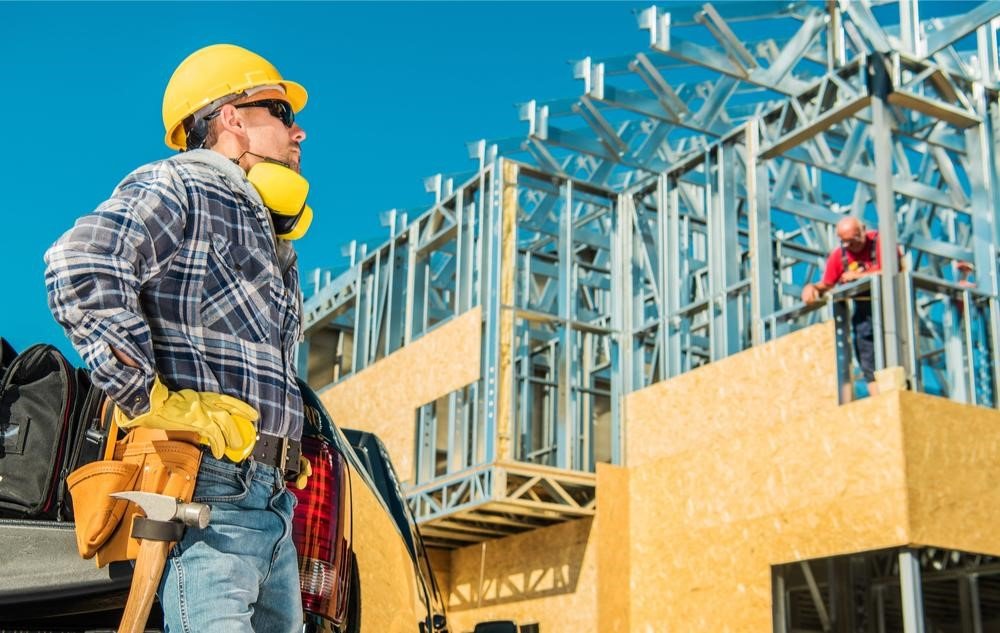
However, Builder’s Risk does protect your business for instances such as theft, flood, ordinance, law, and soft costs. The top benefit, though, is property replacement. It makes you feel like you should opt for this policy immediately, but let’s look at what this type of insurance actually does and doesn’t cover.
4 Things Builder’s Risk Does Not Cover
Read Also:
Flawed Workmanship
Before you think of purchasing Builder’s Risk insurance, be sure you have excellent safety measures in place on-site. If an accident occurs on the project and it is your fault, you’ll pay out of your own pocket.
This policy does not cover any incident where the people insured are at fault. A proper inspection will be conducted by the insurance company to ascertain the cause of the damage.
Employee Theft
Builder’s Risk coverage extends to incidents such as theft and vandalism. However, this is only for cases of theft by a third-party. Should one of your employees steal from you, this policy will not provide the cover you seek.
Equipment and Tools
While most builders believe that Builder’s Risk insurance will cover their trade tools, this does not hold in all cases. Some insurance providers will cover your tools while you’re on the job site, while others won’t.
In some instances, your large equipment such as ditch diggers or bulldozers is excluded from this insurance. Be sure to read your policy through before signing.
Also, this insurance will not cover wear and tear to your tools.
Extreme Events
As mentioned earlier, your Builder’s Risk insurance may cover incidents such as windstorms and floods. But, natural disaster coverage varies from provider to provider.
Many risk insurance policies don’t cover extreme incidents such as earthquakes or floods and won’t cover major third-party incidents such as war, terrorism, or nuclear risks.

The Trouble with Builder’s Risk
Firstly, only some structures qualify. It has to be a building under construction or renovation. In terms of tools, equipment, and materials, only those for that particular project are protected. Builder’s Risk isn’t day-to-day coverage that follows you from site to site. It is project-specific.
Secondly, there is no liability coverage. This insurance policy does not provide coverage should a person sustain an injury while a project is ongoing.
If you or your employees come into contact with someone who is COVID 19 positive, a Builder’s Risk policy will not provide the insurance coverage you require.
Whether you’re the property owner, contractor, builder, or house flipper, any liability for accidents that occur on-site are not covered by the policy. In this case, you will need General Liability insurance.
Do Your Homework
A Builder’s Risk policy covers new constructions, installations, and remodeling of existing structures. However, insurance policies have different definitions of what types of coverage they provide for commercial or residential builds.
For instance, some insurance carriers classify a residential project as a building for a family of 1 to 4. Anything smaller or larger is not covered. For commercial constructions, the insurance provides coverage for projects ranging from small offices to huge sports arenas.
Apart from the difference in project classifications, the risk value also differs for each insurance company. In some instances, an insurance company will offer your company Builder’s Risk insurance with coverage up to $75 million, while others provide $50 million or less.
Builder’s Risk Isn’t Right for All Building Work
While Builder’s Risk insurance may not be the best fit for your company’s requirement, being adequately insured is non-negotiable. There is no one insurance policy that provides all the coverage a contractor needs.
Before you invest, research insurance policies to find the ones that address your specific needs. Better yet, speak to an insurance agent who will talk you through each policy’s pros and cons and guide you in your choice.