• Home Improvement
    • DIY
    • Remodeling
    • Woodworking
    • Home Design
      • Furniture
      • Organize
      • Tips
      • Decor
        • Interior
        • Exterior
    • Design Ideas
      • Bathroom
      • Bedroom
      • Dining Room
      • Living Room
      • Kitchen
  • Gardening
    • Backyard
    • Front Yard
    • Landscaping
  • Building Staircase
  • Categories
    • Home Improvement
    • Decor
    • Gardening
    • Woodworking
    • Lifestyle
    • Green Living
    • Real Estate
Dream Lands Design
  • Home Improvement
    • DIY
    • Remodeling
    • Woodworking
    • Home Design
      • Furniture
      • Organize
      • Tips
      • Decor
        • Interior
        • Exterior
    • Design Ideas
      • Bathroom
      • Bedroom
      • Dining Room
      • Living Room
      • Kitchen
  • Gardening
    • Backyard
    • Front Yard
    • Landscaping
  • Building Staircase
  • Categories
    • Home Improvement
    • Decor
    • Gardening
    • Woodworking
    • Lifestyle
    • Green Living
    • Real Estate
featured image - 4 Top Tips When Looking to Prevent Water from Entering Your Home

4 Top Tips When Looking to Prevent Water from Entering Your Home

  • Perla Irish
  • December 20, 2020
Total
2
Shares
0
0
2
0
0
Table of Contents Show
  1. 1. Install A pump
  2. 2. Landscaping
  3. 3. Gutters
  4. 4. Check Your Trees & Shrubs

Water is everywhere and in many cases, you don’t give it a second thought.

After all, there are main drains and flood drains to eliminate excess water, you can even use rainwater collectors at home to store the water for future use.

image - 4 Top Tips When Looking to Prevent Water from Entering Your Home
4 Top Tips When Looking to Prevent Water from Entering Your Home

However, it’s a different story when you experience flash floods and water is trying to enter your home.  That’s when you need to react quickly, the following four steps will help to ensure this doesn’t happen.

1. Install A pump

There are several different types of pumps but submersible ones are generally the best choice, these are also known as mine dewatering pumps.

Submersible means they are designed to work while submerged which means they’ll keep working in heavy rain and floods.

There are two places you need a pimp at home. The first is in your basement, preferably in a pit at the lowest point of the house.

The pump drain must be connected to push water away from the house. A sensor in the pump detects water and tells the pump to start working.

It won’t prevent water from coming in but it will push it out, hopefully preventing damage to your home.

The second location is outside your home where water tends to collect. This will allow you to push the water away before it enters your home. Again, this should be sensor activated.

2. Landscaping

It’s important to take stock of your home and see where the water goes. Your land should be set up to ensure water drains away from your house.

In other words, a slight gradient can ensure the water flows away from your home reducing the likelihood of it coming in.

If this isn’t the case you’re going to need to do some landscaping to make the water flow away from your home.

If you’re not sure how to tackle landscaping and get the right gradients then you should talk to a professional landscaping firm.

They’ll make sure the water flows away from your home and it looks fantastic.


Read Also:

  • Prevention of Floods: Essential Flood Prevention Tips All Homeowners Should Know
  • [Infographic] Quick Actions to Take When Basements Floods
  • Should I Have Flood Insurance? Why It’s Important to Have Flood Insurance
  • Don’t Panic: What to Do When Your Basement is Flooded

3. Gutters

You should check your gutters and downpipes at least once a year. You’ll want to remove anything that is blocking them as this will prevent the water from flowing away from your home.

Blocked gutters allow water to sit in them and then overflow down the walls of your home. This can allow water ingress which is exactly what you don’t want.

4. Check Your Trees & Shrubs

Trees and shrubs look great in your garden and they help to absorb water from the soil. But, their roots can damage pipes and cause blockages which allows wastewater to back up into your home.

To avoid this you need to maintain your trees and shrubs as well as inspect your pipes regularly.

A pipe inspection camera is a great way to ensure the insides of your pipes are debris-free and will carry the water away properly.

Of course, it doesn’t hurt to have a few sandbags available as a backup, if needed.

Total
2
Shares
Share 0
Tweet 0
Pin it 2
Share 0
Share 0
Previous Article
featured image - Top 4 Reasons Why You Need to Hire A Construction Consultant for Your Project

Top 4 Reasons Why You Need to Hire A Construction Consultant for Your Project

  • Perla Irish
  • December 20, 2020
View Post
Next Article
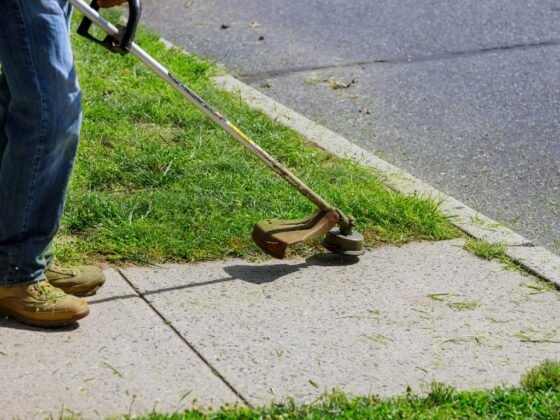
Featured image - How to Edge a Lawn in 6 Easy Steps

How to Edge a Lawn in 6 Easy Steps

  • Perla Irish
  • December 20, 2020
View Post

Subscribe

Subscribe now to our newsletter

You May Also Like
comfortable home office workspace with desk near window and natural lighting
View Post

How to Create a Comfortable Home Office That Supports Everyday Work

  • March 9, 2026
Modern household appliances including refrigerator, washer, dryer, and dishwasher inside a contemporary home interior
View Post

How Modern Home Appliances Changed Daily Life in Today’s Homes

  • March 7, 2026
Installed sump pump system in residential basement concrete floor basin
View Post

Sump Pump Maintenance Checklist: How to Keep Your System Ready Before the Next Storm

  • February 28, 2026
Wall-mounted ductless mini split air conditioner in a modern living room
View Post

Maintenance Practices That Extend Ductless Heating and Air System Life

  • February 14, 2026
Ceiling HVAC air vents integrated into a quiet residential living room
View Post

How HVAC Systems Actually Work (and Why They Often Feel Inefficient at Home)

  • February 4, 2026
Wall-mounted home thermostat and HVAC air vent in a quiet residential hallway
View Post

Understanding Home HVAC Systems: What Actually Matters, What Doesn’t, and When to Act

  • February 4, 2026
Air conditioner integrated into a calm residential living space during daytime
View Post

Why Your Air Conditioner Is Not Blowing Cold Air (And What That Usually Means)

  • January 31, 2026
Wall-mounted air conditioner in a quiet living room during daytime
View Post

Leaving the Air Conditioner On All Day: When It Helps, When It Quietly Backfires

  • January 31, 2026
  • About
  • Privacy Policy
  • Terms of Use
  • Disclosure
  • Sitemap
  • Contact Us

Input your search keywords and press Enter.