Table of Contents Show
Do you feel like you’re spending way too much on heating each month? Do you wish there was a way you could lower your heating bill without turning into an icicle?

Well, we’ve got good news for you- you can lower your heating bill without sacrificing your comfort.
Check out this guide to learn how to reduce your winter heating bill.
1. Get an Energy Audit
If you’re looking to lower your heating bill, one of the first things you need to do is to have an energy audit conducted on your home. To have an energy audit done, all you need to do is call up your local electric company.
They’ll then send a representative over to assess your energy usage, needs, and lifestyle. This representative will conduct a room-by-room examination to determine how much energy your home is using, where you’re losing energy, and which problem areas you need to fix to make your home more energy-efficient.
To determine all of this, the representative will use special equipment such as infrared cameras and blower doors. While you can conduct a DIY energy audit, a professional audit will provide you with a complete picture of your home’s energy use.
2. Insulate
Adding insulation to your home is another great way to lower your winter heating bills. Typically, older homes have less insulation than new homes, but even new homes can benefit from an extra layer of insulation.
To figure out whether you should add more insulation to your home, you first need to determine how much insulation you already have.
A home energy auditor can perform an insulation check as a part of their energy assessment to figure out which areas of your home are lacking in insulation.
Generally speaking though, it’s best to add insulation to:
- Unfinished attic spaces
- Exterior walls, especially those between unheated garages and living spaces
- Floors above cold spaces
It’s also important to note that there are many different types of insulation to choose from. You can work with your energy auditor to figure out which type of insulation is best for your home.
Read Also :
3. Take Care of Air Leaks
Air leaks are one of the biggest culprits of a high energy bill. Whether you live in a new home or an older home, drafty doors, windows, and attics can allow cold air to seep into your home and warm air to trickle out.
Sealing up any leaks will ensure that heat stays inside your home and cold air can’t get in. To find out if your home has any air leaks, start by checking the weatherstripping around your doors and windows. If the weatherstripping is worn down, have it replaced immediately.
You should also make sure warm air isn’t seeping into unfinished attic space. Also, any cuts you’ve made into your drywall to install ceiling fans or lighting fixtures create an easy escape route for warm air. Check these areas for leakage, and if necessary, seal them using latex or silicone caulk.
4. Tweak Your Thermostat
Tweaking your thermostat slightly can make a huge difference in your monthly energy bill. One of the best ways to save money is with a smart or programmable thermostat.
Instead of heating your home throughout the day or constantly having to turn your thermostat on and off, a smart thermostat can be set to operate only at certain times.
For example, if you work outside of the home, you can set your thermostat so that it turns off or drops to a lower temperature during the workday.
Then, you can set it so it starts heating back up a bit before you walk in the door so you can return to a warm, cozy home.
If you don’t have the money to invest in a smart thermostat right now, you can just manually turn it down or off before you leave your home.
It’s also a good idea to turn your thermostat down before you go to bed. While it may seem cozier to sleep in a warm home, studies actually show that it’s better to sleep in cooler temperatures.
According to the National Sleep Foundation, you should set your thermostat between 60 and 67 degrees Fahrenheit for optimal sleep.
5. Take Advantage of the Sun
Let’s not forget that there’s also a pretty big light source that can heat your home for free- the sun.
During the daytime, open the shades and allow the sun to pour into your home. While sunlight won’t replace your need to turn on the thermostat, it can prevent you from needing to crank it up to the highest heat setting.
You can also turn on your fireplace for some added heat, but keep in mind that fireplaces do have their drawbacks. If you leave your fireplace damper open, hot air can escape from it and cold air can funnel into your home.
Make sure you close the damper after each use and, more importantly, open the damper before you light the fire so your home doesn’t fill with smoke. Also, make sure you have the right propane and heating oil for your fireplace.
6. Invest in an Area Rug
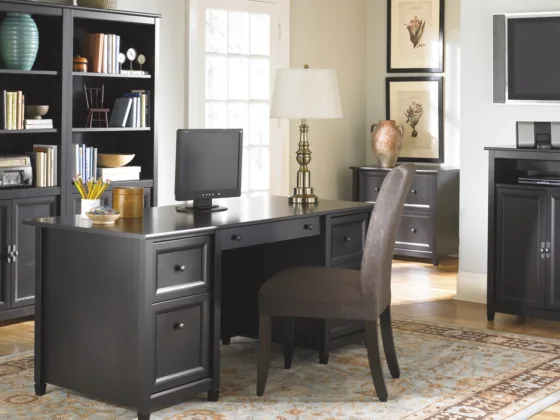
Many people add area rugs to their home to add color, style, and unification to their space. But, area rugs also perform another important function during the cold winter months.
They add an extra layer of insulation to the floor so that cold air gets trapped underneath and doesn’t spread to the rest of your home. If you don’t already have an area rug in your living room, now is a good time to invest in one.
Winter Heating: Are You Ready to See Your Energy Bill Drop?
Now that you’ve read this winter heating bill guide, it’s time to put these tips into action. By the time you get your next energy bill, you should be seeing big savings.
Be sure to check back in with our blog for more tips and tricks on how to save money.