Table of Contents Show
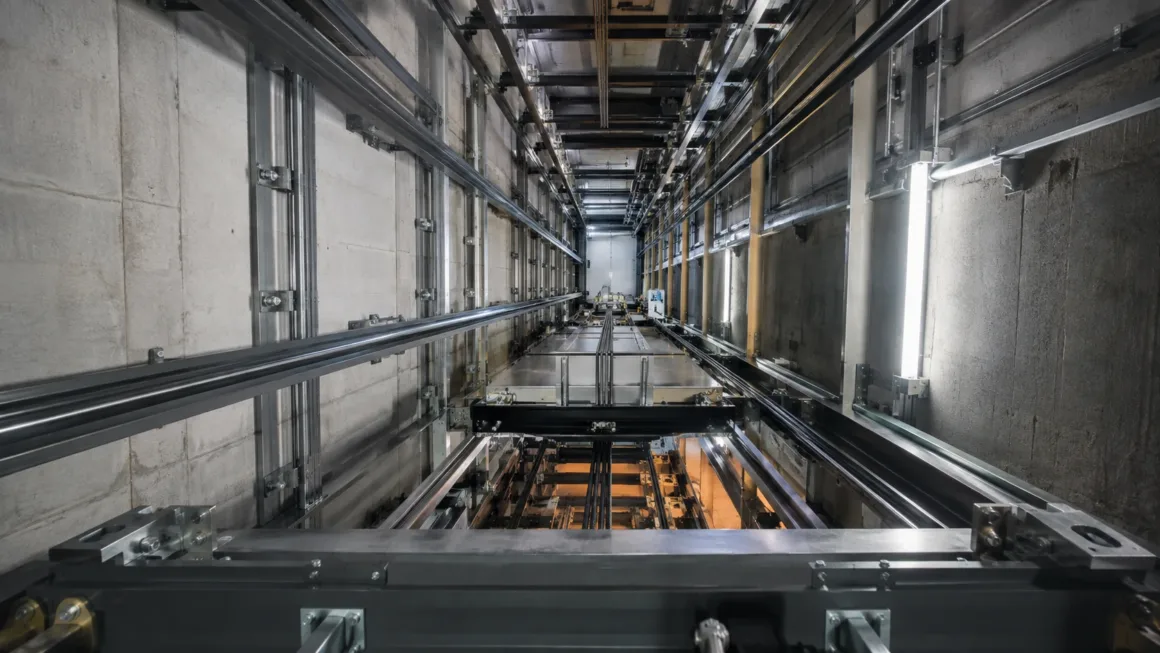
Multi-story commercial and residential buildings depend on vertical transportation systems to maintain fluid movement. In office towers, residential complexes, hotels, and medical centers, passenger lifts operate around the clock. While passengers interact with car finishes, call buttons, and sliding doors, an intricate network of mechanical drives, structural guide rails, and solid-state electronic controls powers every journey behind the shaft walls.
Specifying high-grade mechanical and electrical hardware dictates building safety, energy consumption, and long-term operating expenses. Using substandard replacement hardware or specifying low-tier parts during initial construction triggers unexpected service shutdowns, expensive emergency call-out fees, and accelerated friction wear across adjoining drive assemblies.
Engineering Takeaway: High-traffic passenger lifts demand precision machining across every mechanical friction point. Specifying certified drive motors, heavy-duty door operators, and precision guide shoes eliminates structural vibration, lowers building energy consumption, and prevents unscheduled downtime in high-occupancy properties.
1. The Physics of Mechanical Stress in High-Traffic Hoistways
Commercial lifts execute thousands of start-stop cycles each day. Heavy cabin loads, continuous door opening sequences, and constant cable movement generate intense structural stress and thermal expansion across internal mechanical assemblies.
When a minor internal component fails—such as a worn door roller, a misaligned limit switch, or an overheating relay—the central logic controller shuts down the car to protect passengers. In busy commercial office buildings or high-rise residential blocks, losing a single car creates instant foyer congestion, delays building access, and places additional strain on remaining operational units.
Installing certified, high-grade lift parts from established engineering suppliers ensures individual assemblies withstand heavy friction and cyclic load shifts over decades of continuous service. Sourcing compatible, precision-engineered hardware simplifies routine maintenance schedules and enables field engineers to isolate worn parts before complete drive failure occurs.
2. Metallurgical Fatigue and Material Durability
Elevator suspension systems endure immense kinetic punishment. Steel wire ropes flex and bend over traction sheaves countless times a week. This repetitive motion induces metallurgical fatigue, where microscopic cracks form within the steel grain structure over time. Substandard metal alloys succumb to this fatigue much faster than high-carbon steel counterparts.
Premium drive sheaves utilize hardened cast iron or reinforced steel alloys designed to resist groove wear. When a sheave groove wears down unevenly, it alters the traction tension on the suspension ropes. This imbalance causes the steel cables to scrape against the groove walls, generating fine metal shavings and compromising the structural integrity of the entire suspension system. Specifying metallurgical-grade components upfront prevents this destructive chain reaction.
3. Code Compliance and Life-Safety Mechanical Redundancies
Elevator engineering centers on rigid, non-negotiable passenger safety standards. Modern lift installations incorporate multiple redundant safety systems designed to prevent free-fall hazards, door collisions, and cabin overspeeding during power outages or primary mechanical failures.
Core life-safety components operate under stringent mechanical tolerances and absolute engineering standards:
- Overspeed Governors & Safety Gears: Mechanical centrifugal flyweights trigger heavy braking jaws that clamp onto vertical guide rails if car speed exceeds rated safety thresholds. This action adheres to mandatory standards set in the ASME Safety Codes and Standards.
- Oil & Spring Pit Buffers: Heavy-duty hydraulic oil or spring buffers installed in the shaft pit absorb structural kinetic energy if the cabin overtravels past lower terminal landings.
- Door Interlocks & Infrared Light Curtains: Multi-beam infrared light arrays and mechanical door locks prevent car movement whenever hoistway doors remain unsealed or obstructed.
Selecting unverified or generic components lacking proper load-certification testing compromises these critical safety barriers. Property managers evaluating major structural upgrades can review our technical guide on commercial building maintenance protocols when expanding elevator shafts or altering heavy load-bearing shaft walls during building overhauls.
4. Extending Equipment Lifespan Through Targeted Lift Modernization
Complete elevator replacement demands major structural demolition, long project lead times, and massive capital outlay. Many aging lift installations retain sound structural guide rails, steel car frames, and solid counterweight assemblies. These core elements do not require total removal.
Targeted lift modernization replaces aging mechanical and electrical components while preserving the core structural frame. Swapping outdated geared traction machines for modern gearless synchronous motors cuts electrical power draw and reduces heat generation inside the machine room.
| Assembly Target | Legacy Systems (Pre-2000s) | Modernized Component Upgrade | Operational & Financial Benefit |
|---|---|---|---|
| Drive Motor | Geared AC/DC motor drives | Variable Voltage Variable Frequency (VVVF) gearless drives | Smooth acceleration, 30% to 40% energy reduction, silent operation. |
| Door Mechanism | Mechanical clutch & belt operators | Microprocessor variable-frequency door operators | Faster door response, reduced door jam rates, quiet opening cycles. |
| Control System | Relay-based logic panels | Microprocessor & CAN-bus controller boards | Lower standby energy draw, precise floor leveling, smart dispatching. |
| Guide Equipment | Solid slide shoes requiring grease | Spring-loaded roller guide assemblies | Reduced rail friction, smoother ride quality, zero rail grease contamination. |
5. Ride Quality, Floor Leveling, and Passenger Comfort Metrics
Passengers evaluate lift performance through physical movement cues: lateral cabin vibration, motor noise, abrupt deceleration, and floor leveling precision. Sudden jerks during start-up or uneven stops that leave car sills protruding inches above floor landings point to worn guide shoes, sagging hoist ropes, or miscalibrated drive electronics.
High-performance drive controllers and solid-state leveling sensors maintain millimeter sill-to-floor leveling accuracy regardless of variable passenger load weights. Smooth acceleration curves protect passenger comfort, while precision door operators eliminate loud rattling noises during entry and exit cycles.
6. Predictive Analytics and Real-Time Telemetry Sensors
Property management relies on a shift from reactive maintenance toward proactive component monitoring. High-grade lift components integrate with Internet of Things (IoT) sensor arrays. These solid-state sensors mount to drive bearings, door tracks, and suspension sheaves to track micro-vibrations, heat buildup, and acoustic deviations.
This continuous data feed establishes a baseline for healthy mechanical operation. When a roller guide begins to degrade or a drive belt loses tension, the telemetry system flags the anomaly before the part breaks. This prevents passengers from experiencing entrapments.
Field mechanics receive targeted diagnostic reports detailing the exact part requiring attention. Replacing a specific worn part during off-peak hours costs a fraction of the price of an emergency weekend repair.
7. Energy Efficiency, Modern Drives, and Heat Reduction
Energy management remains a primary goal for building owners and facility executives managing rising utility rates. Older lift systems dissipate vast amounts of electrical power as thermal waste inside machine rooms. This waste forces HVAC cooling systems to work overtime.
Upgrading to modern VVVF (Variable Voltage Variable Frequency) drives provides precise control over motor torque. The system draws the exact electrical current required for the cabin’s actual payload. Advanced regenerative drive units capture kinetic energy generated during car deceleration or heavy counterweight down-trips. These regenerative drives feed clean electricity back into the building’s main power grid.
8. Engineering Considerations and Sourcing Certified Technical Support
Procuring elevator hardware requires rigorous engineering assessment. Specifying replacement equipment demands verifying shaft dimensions, electrical service capacities, guide rail spacing tolerances, and controller software protocol compatibility.
Partnering with established component suppliers provides field technicians and engineering consultants with crucial wiring schematics, technical documentation, and direct factory support. Sourcing certified parts from recognized manufacturers guarantees long-term spare parts availability, keeping building lift systems operating secure and safe throughout their full mechanical lifespan.
Frequently Asked Questions
Why is exact floor leveling critical for elevator compliance?
Accurate floor leveling aligns the elevator car sill flush with the building landing floor. Strict leveling tolerances prevent severe tripping hazards for pedestrians, mobility device users, and heavy freight carts during cabin entry and exit.
What physical indicators suggest a lift needs component modernization?
Unplanned automated shutdowns, harsh mechanical vibration, sluggish door operation, jarring deceleration, inconsistent floor leveling, and escalating monthly utility bills indicate that the primary drive or control logic requires immediate upgrading.
What separates a geared traction drive from a gearless drive motor?
Geared drives utilize a heavy bronze worm gear to reduce motor speed before turning the hoist sheave, which creates mechanical friction and requires routine oil changes. Gearless drives mount a permanent magnet motor straight to the sheave, delivering silent travel, zero oil maintenance, and superior energy efficiency.
How do precision-engineered components reduce lifecycle maintenance costs?
High-tolerance parts endure extreme cyclic loading and thermal expansion without deforming. This physical resilience eliminates cascading damage to surrounding assemblies, cuts emergency call-out frequencies, and pushes the total equipment lifespan well past standard industry averages.
Author & Editorial Review
Author: Perla Irish serves as Content Manager at DreamlandsDesign. Drawing on experience in residential planning, building system upgrades, and practical property maintenance, she creates clear, authoritative guides covering building operations, material durability, and home improvement best practices.
Editorial Review: The DreamlandsDesign editorial team reviewed this article for technical accuracy, mechanical sequencing, and building maintenance standards. Every section was evaluated to reflect real-world commercial building considerations while meeting DreamlandsDesign’s editorial guidelines.