Table of Contents Show
A smoky smell inside the house doesn’t always come from something happening indoors. It may arrive after a neighbor lights a fireplace, drift across the neighborhood during wildfire season, or enter through a window left open on a calm evening. The source can be surprisingly far away, yet the effect inside the home feels immediate. Rooms that seemed perfectly comfortable the day before suddenly feel different, even though nothing about them appears to have changed.
Ordinary household dust eventually settles where it can be vacuumed or wiped away. Smoke follows a different path. Some particles settle into curtains, carpets, and upholstered furniture, while others continue moving through the air as the heating or cooling system circulates air from room to room. The smell gradually weakens, but that doesn’t necessarily mean the air has returned to normal.
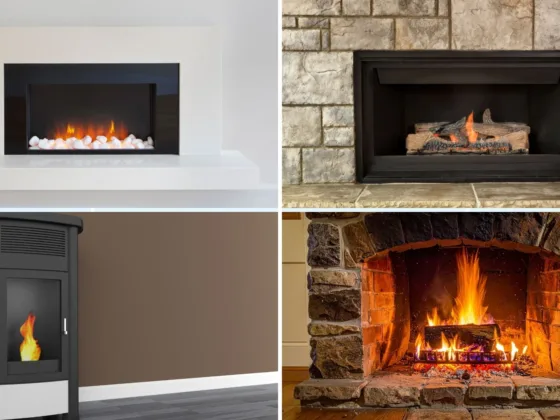
Smoke-related air quality concerns are no longer limited to communities close to active wildfires. Seasonal smoke now reaches neighborhoods hundreds of miles away, wood-burning fireplaces remain common in colder regions, and shared buildings can introduce smoke from neighboring units. Cleaner indoor air has become another part of routine home maintenance rather than an occasional concern.
Product comparisons become far more useful after you understand how smoke behaves indoors. Independent testing offers a practical alternative to advertising claims by showing how different filtration systems perform under real smoke conditions before a purchase is made. Many buyers begin by reviewing independently tested best smoke air purifiers before deciding which model best suits their home.
Why Smoke Lingers Long After the Smell Begins to Fade
Walk into a room after smoke has drifted indoors and one detail becomes obvious. The smell changes over time. It begins sharply, then slowly fades until it almost disappears, even though fine particles and gases continue circulating through the air.
Wildfire smoke, cigarette smoke, and wood smoke each leave behind a different combination of pollutants. Wildfire smoke carries extremely fine particulate matter known as PM2.5. Cigarette smoke introduces tar, nicotine residue, and volatile chemicals that cling to soft furnishings. Wood smoke contributes carbon particles together with combustion gases released while the fire burns.
Those materials don’t all behave the same way once they enter a home. Some settle onto furniture and flooring. Others remain suspended in the air or continue circulating through the ventilation system. Removing visible dust from surfaces improves cleanliness, but it doesn’t address everything smoke leaves behind.
Routine household cleaning improves the appearance of a room, while air filtration focuses on what continues circulating after the cleaning is finished. Smoke requires both.
Not Every Filter Handles Smoke the Same Way
Take a look at a used furnace filter after several months and it’s easy to see how much ordinary dust moves through a home. Smoke presents another challenge. Its smallest particles pass through the air alongside gases released during combustion, creating two different pollutants that need different forms of filtration.
Smoke places two different demands on a filtration system. Fine airborne particles are captured by HEPA filtration, while activated carbon targets gases and compounds responsible for lingering smoke odors. Removing one without addressing the other leaves part of the problem behind.
Filter design also matters. Small amounts of activated carbon may be enough for occasional household odors, but heavier smoke from cigarettes, fireplaces, or prolonged wildfire events places greater demands on the filtration system. Capacity becomes just as important as the filter material itself.
Knowing what each stage of filtration actually does makes product comparisons much easier. Marketing terms become less important once the job of each filter is clear.
When Outdoor Smoke Becomes an Indoor Problem
Not every home exposed to smoke sits close to an active wildfire. Fine particles can travel remarkable distances before changing the air in neighborhoods that never see flames. Some homeowners notice a hazy sky first. Others recognize a faint smoky smell after opening the front door. In many cases, the source remains miles away even though the air indoors begins to feel different.
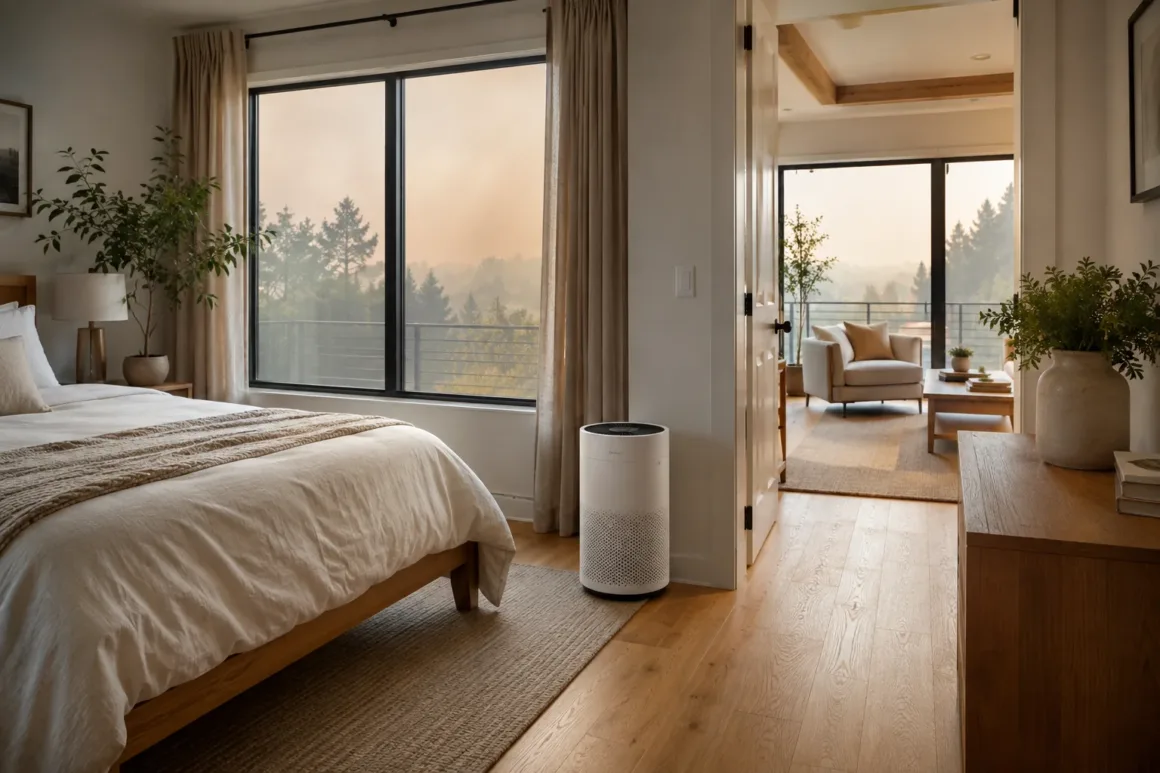
Closing windows reduces the amount of new smoke entering the house, but it doesn’t remove what has already made its way inside. Air continues circulating through bedrooms, hallways, and living areas every time the heating or cooling system runs, allowing fine particles to move well beyond the room where they first entered.
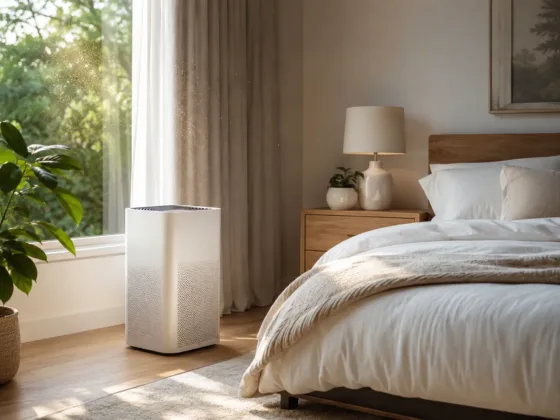
Bedrooms deserve extra attention because people spend several uninterrupted hours there every night. Cleaner air in that space supports a more comfortable sleeping environment during extended smoke events. DreamlandsDesign explores this topic further in its guide to improving bedroom air quality for better sleep, where air filtration works alongside everyday maintenance rather than replacing it.
Opening windows again after outdoor air quality improves helps refresh the home, while normal ventilation gradually replaces air that remained indoors during smoke events. Air purification works alongside those routines rather than replacing them.
Living With an Air Purifier Tells You More Than the Specification Sheet
Product pages make comparisons look straightforward. Room coverage, airflow ratings, filter types, and operating modes are listed side by side, making every model appear easy to evaluate. Everyday use paints a fuller picture because the purifier becomes part of the room rather than part of a product comparison.
A bedroom quickly reveals whether fan noise remains comfortable through the night. A large family room shows whether the purifier can circulate enough clean air across a wider space. Extended smoke events expose how frequently filters need replacing and whether ongoing maintenance remains practical after months of continuous use.
Those day-to-day experiences don’t make performance ratings any less useful. Smoke CADR remains one of the simplest ways to estimate how efficiently a purifier cleans smoke from the air, provided the rating is matched to the size of the room.
Independent testing helps place those specifications into context. Instead of relying on product descriptions alone, homeowners can compare how different models perform under similar smoke conditions before making a decision.
The Right Air Purifier Depends on What You’re Trying to Remove
Two homes can experience smoke for completely different reasons. One prepares for wildfire season every summer, while another relies on a wood-burning fireplace throughout winter. Apartment residents may deal with cigarette smoke entering through shared ventilation or neighboring units. The purifier that performs well in one situation isn’t automatically the best choice for another.
Wildfire smoke usually shifts the focus toward removing fine airborne particles, making HEPA filtration and sufficient airflow especially important. Cigarette smoke places greater demands on activated carbon because odor-causing gases become a larger part of the problem. Wood smoke generally requires a balance between both.
Identifying the source of the smoke simplifies every decision that follows. Room coverage, filter design, operating noise, and maintenance become much easier to evaluate once the conditions inside the home are clearly understood.
An Air Purifier Works Best in a Well-Maintained Home
Regular cleaning and air filtration solve different problems inside a home. Dusting removes what has already settled, vacuuming clears debris from floors and rugs, and laundering fabrics reduces particles that collect over time. An air purifier focuses on the contaminants that remain suspended after everyday cleaning is finished.
The heating and cooling system also influences the air throughout the house. Every cycle moves air from one room to another, carrying whatever the HVAC filter allows to pass through. Replacing that filter on schedule supports cleaner airflow while helping the system operate more efficiently. DreamlandsDesign explains the basics in its guide to understanding residential HVAC systems.
Smoke eventually settles onto curtains, upholstered furniture, bedding, and flooring before normal household activity lifts some of it back into the air. Regular cleaning reduces that buildup, allowing the purifier to concentrate on airborne particles instead of constantly dealing with contaminants returning from surrounding surfaces.
Cleaning, HVAC maintenance, ventilation, and air filtration each address a different part of the same problem. Used together, they help maintain cleaner indoor air throughout the year, whether the source is wildfire smoke, a fireplace, or everyday neighborhood conditions.
Choosing the Right Air Purifier Starts With the Room, Not the Product
Product comparisons usually begin with brand names and feature lists. A more useful starting point is the room where the purifier will be used. A compact bedroom, a large open-plan living area, and a home exposed to seasonal wildfire smoke each place different demands on the same appliance.
Room size influences airflow requirements, while the source of the smoke determines whether greater emphasis should be placed on particle removal, odor reduction, or a balance between both. Looking at those conditions first narrows the options quickly and makes product specifications easier to interpret.
Long-term ownership deserves equal attention. Replacement filters, operating noise, electricity use, and ongoing maintenance all become part of everyday living after the excitement of a new purchase fades. A purifier that fits comfortably into those routines usually proves more valuable than one chosen for its specifications alone.
Smoke may enter a home in different ways, but keeping indoor air cleaner follows the same basic principles. Match the purifier to the room, maintain it properly, and support it with everyday cleaning habits. Those everyday choices continue paying off long after the smoky smell has disappeared.
Frequently Asked Questions
Can an air purifier remove wildfire smoke indoors?
A purifier equipped with True HEPA filtration can reduce fine particulate matter, while activated carbon helps reduce smoke-related gases and odors. Performance depends on choosing a unit that matches the room size and operating it consistently during smoke events.
Is activated carbon important for smoke filtration?
Yes. HEPA filters capture airborne particles, but smoke also contains gases and odor-causing compounds. Activated carbon addresses those pollutants, making it an important part of filtration designed for smoke.
Should an air purifier run all day during heavy smoke?
Continuous operation helps maintain cleaner indoor air while smoke remains present outdoors. Keeping windows closed during poor air quality and replacing filters when recommended also improves overall performance.
Author & Editorial Review
Author: Perla Irish is a home improvement writer and Content Manager at DreamlandsDesign. She specializes in home maintenance, HVAC systems, indoor air quality, remodeling, and practical residential design, helping homeowners make informed decisions through clear, research-based guidance.
Editorial Review: This article was reviewed by the DreamlandsDesign editorial team for accuracy, readability, and practical value to help ensure the information reflects current home maintenance practices and indoor air quality recommendations.