Table of Contents Show
Few homeowners think much about their driveway until a crack appears. By that point, the damage has often been developing quietly for months—or even years—as sunlight, rain, traffic, and seasonal temperature changes slowly wear down the pavement.
Cracks rarely appear for just one reason. Their shape, size, and location often reveal what’s happening beneath the surface. Understanding those causes makes it easier to choose the right repair, avoid unnecessary expenses, and keep a driveway in good condition for much longer.
Quick Answer: Asphalt driveways commonly crack because of water infiltration, freeze-thaw cycles, prolonged UV exposure, heavy vehicle loads, poor installation, and ground movement. Routine maintenance, proper drainage, prompt crack repairs, and regular sealcoating help keep minor surface damage from developing into larger structural problems.
Why Asphalt Cracks in the First Place
Fresh asphalt is flexible enough to absorb everyday movement, but that flexibility fades over time. Sunlight dries the binders, moisture weakens the layers below, and years of traffic slowly wear the surface until cracking becomes unavoidable.
Not every crack points to the same problem. Some develop naturally as asphalt oxidizes over time, while others signal drainage issues, an unstable foundation, or excessive weight. Simply filling a crack without knowing why it formed often leads to the same repair being repeated. Simply filling a crack without knowing why it formed often leads to the same repair being repeated. Repairs tend to last longer when the underlying cause is addressed first.
Below are the five most common reasons asphalt driveways crack and what homeowners can do to reduce the risk before small imperfections become larger, more expensive repairs.
Cause #1: Water and Freeze-Thaw Cycles
Rainwater rarely causes visible damage overnight. Problems begin when moisture slips through tiny surface openings and reaches the layers supporting the driveway. Once water gets beneath the asphalt, every change in temperature increases the stress on the pavement.
When temperatures fall below freezing, that trapped water expands as it turns to ice. The pressure forces existing cracks to widen and can even create new fractures beneath the surface. As the ice melts, the pavement settles again, leaving small gaps that allow even more water to enter during the next rainfall or snowfall. Repeating this cycle year after year accelerates deterioration far faster than normal aging alone.
The first signs usually appear once winter ends. Hairline cracks look wider than they did in autumn, and small sections of pavement may begin to feel uneven underfoot. Addressing those early changes before another freeze-thaw season arrives is usually far less expensive than repairing widespread damage later.
Cause #2: Sun Exposure and Oxidation
Winter isn’t the only thing that ages asphalt. Long before visible cracks appear, years of sunlight gradually dry out the binders that give the pavement its flexibility. The change is gradual, so the surface can fade long before anyone notices the damage.
This process, known as oxidation, happens over many years. One of the easiest signs to recognize is fading. A driveway that once looked deep black may begin turning gray, signaling that the protective binders are deteriorating. Although fading may seem like a cosmetic issue, it often indicates that the surface is becoming more vulnerable to cracking.
Routine sealcoating slows oxidation by reducing UV exposure and limiting moisture penetration. It won’t stop asphalt from aging, but it helps the surface wear more evenly and reduces the chance of early cracking.
Cause #3: Heavy Loads and Repeated Weight
A driveway that comfortably supports two family vehicles may respond very differently once moving trucks, delivery vehicles, RVs, or construction equipment begin using it regularly. Those heavier loads place far more pressure on the pavement than most residential driveways were originally built to handle.
Even everyday vehicles can contribute to premature wear when they’re consistently parked in exactly the same spot. Over time, concentrated weight compresses the pavement and the base beneath it, increasing the likelihood of localized cracking or shallow depressions.
Damage usually becomes noticeable once cracks start forming beneath the same parking position. Moving vehicles to different spots whenever possible spreads the load more evenly and reduces repeated stress on one section of the driveway.
Cause #4: Poor Installation or Base Issues
When cracks develop unusually early, the asphalt itself isn’t always to blame. In many cases, the problem begins below the surface. Without a properly compacted and well-drained base, even quality paving materials struggle to remain stable year after year.
Poor drainage often makes the situation worse. Water that collects beneath the pavement gradually softens the supporting layers, allowing sections of the driveway to sink or shift under normal traffic. Once movement begins, surface repairs alone rarely solve the underlying problem because the foundation continues to change beneath the asphalt.
Filling the crack may improve the surface for a while, but repairs rarely last if the base underneath continues to shift. Until that movement is addressed, new cracks often appear in the same area.
If cracking appears only a few years after installation or keeps returning in the same location, the issue may extend beyond the surface. In situations like these, understanding the repair options explained in Everything You Should Know About Asphalt Driveway Repair can help homeowners determine whether localized repairs are likely to last or whether more extensive work is justified.
Cause #5: Tree Roots and Ground Movement
Not every driveway crack originates within the pavement itself. The surrounding landscape also influences long-term performance. As tree roots expand in search of moisture, they can gradually lift sections of asphalt or place uneven pressure on the base beneath the driveway.
Large trees don’t need to stand directly beside a driveway to create problems. Mature root systems can spread well beyond the canopy, gradually lifting nearby pavement or disturbing the compacted base below.
Ground movement caused by shrinking and expanding soils creates similar problems. Clay-rich soils, for example, often swell during wet periods and contract as they dry. Over time, those subtle shifts place stress on the pavement, producing cracks that seem to appear without any obvious external cause.
Removing visible roots rarely fixes the problem by itself. Long-term success usually depends on addressing both the source of movement and any damage already affecting the driveway’s foundation.
Recognizing What Different Crack Patterns Mean
Not all cracks tell the same story. Some reflect normal surface aging, while others point to movement beneath the driveway. Recognizing the pattern makes it easier to decide whether a simple repair is enough or whether the damage runs deeper.
- Hairline cracks are usually the first visible sign of surface aging. Sealing them early helps keep moisture from reaching the base.
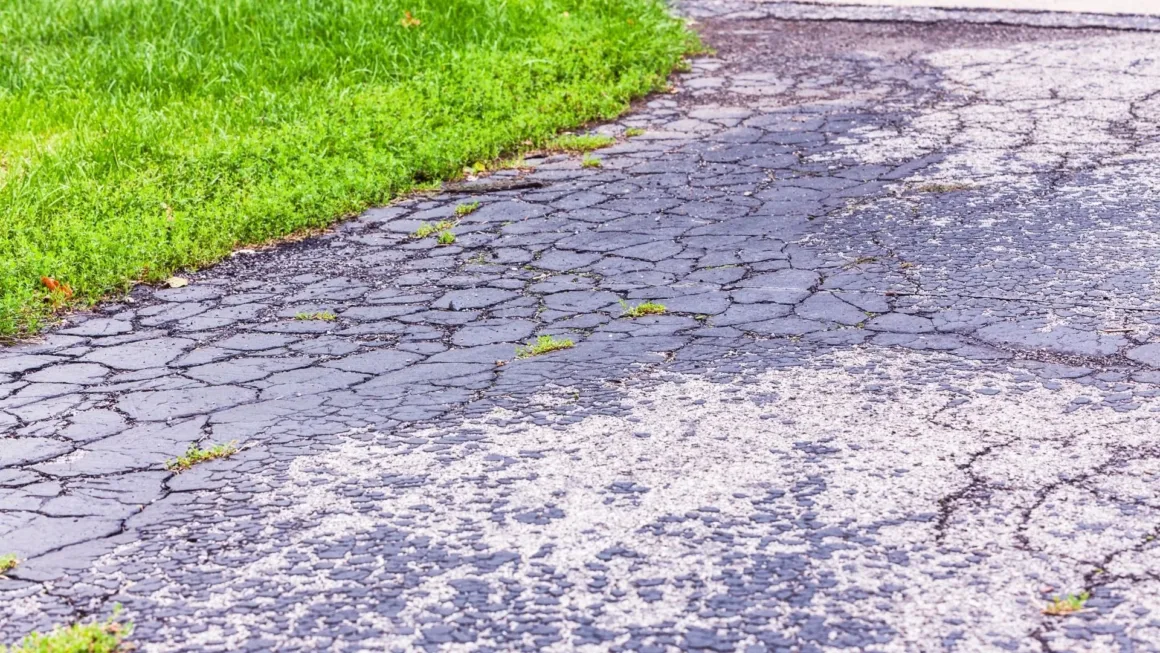
- Alligator cracking forms an interconnected pattern resembling reptile skin and often points to structural failure beneath the asphalt rather than simple surface wear.
- Edge cracks commonly develop where the driveway lacks adequate side support or where water repeatedly softens the soil along the edges.
- Longitudinal and transverse cracks generally result from seasonal expansion and contraction, although recurring straight-line cracks can also indicate movement in the base below.
Small cracks don’t always require major repairs, but they shouldn’t be ignored either. Addressing them while they’re still minor is almost always less expensive than waiting until water infiltration or base movement creates more extensive damage. Regular inspections and preventative maintenance, including guidance from our article on how to protect your asphalt driveway, can significantly extend the life of the pavement.
Preventing Cracks Before They Start
Asphalt naturally wears down over time. Most costly repairs begin with small cracks that are left alone long enough for water to reach the base beneath the pavement.
Inspect the driveway several times a year, especially after winter or extended periods of heavy rain. Sealing small cracks early keeps water from reaching the base, while directing runoff away from the pavement helps prevent long-term moisture damage.
Seasonal maintenance also makes a noticeable difference. If you live in a warmer climate, our guide on how to maintain your asphalt driveway during summer explains practical ways to reduce heat-related wear and keep the surface in better condition throughout the year.
Sealcoating protects the surface from sunlight, moisture, and spills that gradually weaken asphalt. Companies offering asphalt sealcoating services generally recommend applying a new protective coat on a regular schedule because maintaining the surface costs far less than repairing widespread cracking.
When to Call a Professional
A few isolated cracks rarely justify major repairs. The situation changes when cracking spreads across large sections of the driveway, keeps returning in the same location, or is accompanied by noticeable settling. Those signs usually point to problems below the surface rather than ordinary wear.
If cracks return after being repaired or continue spreading across the same area, it’s worth having the driveway inspected. Repeated failures usually point to movement beneath the surface rather than damage in the asphalt alone.
Final Thoughts
A driveway rarely reaches the point of major failure without showing warning signs first. Hairline cracks widen, edges begin to crumble, or shallow depressions start holding water after rain. Catching those changes early almost always costs less than waiting until the pavement needs extensive repairs.
Small cracks are a normal part of an asphalt driveway’s lifespan. Leaving them untreated is what turns a simple repair into a much larger project. Regular inspections and timely maintenance usually cost far less than rebuilding damaged pavement.
Author & Editorial Review
Author: Perla Irish is a home improvement writer and Content Manager at DreamlandsDesign. She covers remodeling, paving, home maintenance, and exterior improvements with a practical focus on the issues homeowners deal with every day.
Editorial Review: This article was reviewed by the DreamlandsDesign editorial team for technical accuracy, readability, and practical value. It reflects current best practices in asphalt driveway maintenance and exterior home care.