Table of Contents Show
What is the first thing that pops in your mind when we talk about air pollution? I am sure that burning waste, factories, and cars came into your mind for sure.
But wait! What about the pollutants that exist in your indoor air?
Similar to toxic car exhaust, indoor pollution is extremely harmful to human health too.
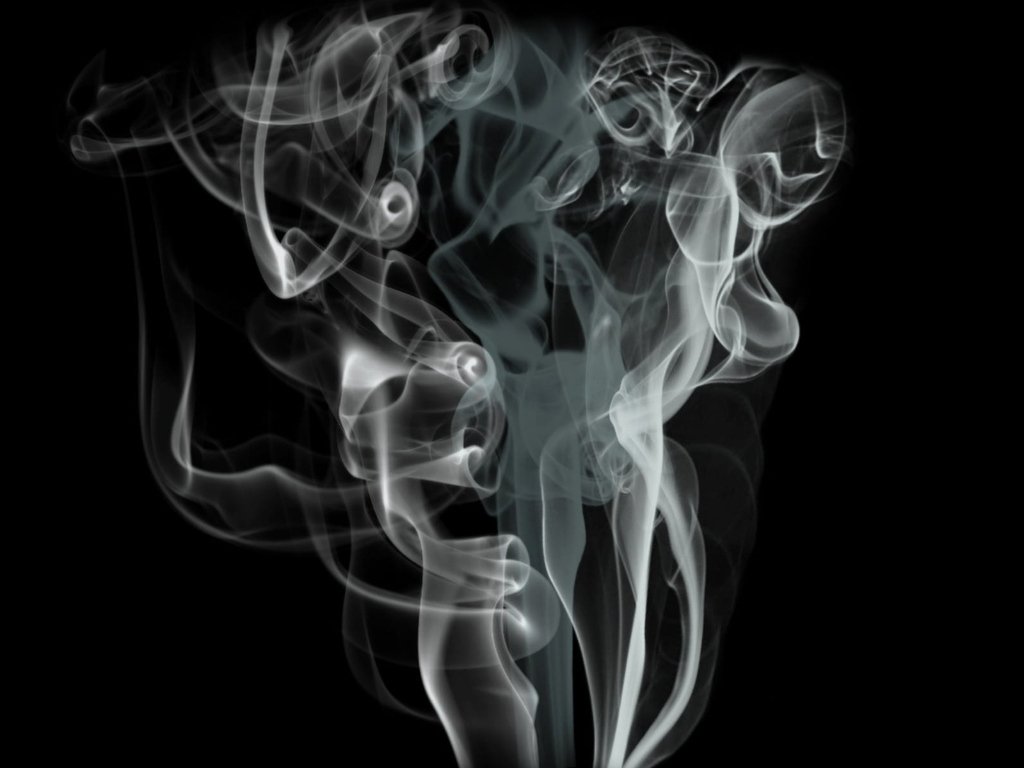
In this article, we’ll talk about five air pollutants that are common in most homes. If you want to learn how you can get rid of such issues from your living space, find more details on homeairadvisor.com.
Radon
One of the naturally occurring gasses, Radon is the bi-product of uranium. The reason why you cannot detect it readily is, Radon is a colorless gas with no noticeable smell.
Do you know you’re surrounded by low levels of radon all the time? However, on exposure to higher levels, it can increase the risk of developing respiratory issues.
Research shows that this particular gas causes lung cancer. In fact, it’s right there in second place.
So the question is, how do you detect radon in your home?
Well, you can find inexpensive radon screening kits readily in the market. If your home has elevated levels of this gas, you should contact a professional promptly to lower it down.
Nitrogen Dioxide
Nitrogen Dioxide (NO2 ) is a toxic, highly reactive corrosive gas with many harmful effects. Problems like irritation in the nose, eyes, or throat may be due to the presence of NO2 in the air.
It can also cause respiratory tract problems. There are different day-to-day processes that produce NO2. For example, gas stoves, welding, smoking tobacco, turning on kerosene heaters, etc.
While high levels of this toxic nitrogen dioxide can cause pulmonary edema, continuous exposure might increase the risk of bronchitis, be it acute or chronic.
Low levels of NO2, on the other hand, can compromise lung function in people with asthma or COPD and may cause respiratory infections in children.
You can take some precautionary steps to reduce NO2 levels at home. These include installing heaters properly, using exhaust fans over stoves, not letting the car stand idle in your garage, and using open flues while using fireplaces.
Tobacco Smoke
According to research studies, secondhand smoke contains more than 7000 chemical ingredients, with around 70 of them, increasing the risk of lung cancer.
These smoker particles irritate the nose, eyes, and throat, and cause many respiratory health issues. Similar to smoking, toxic chemicals can cause pneumonia, wheezing, bronchitis, and lung infections. Besides this, they might trigger asthma attacks in asthmatics too.
The only solution to this air pollution is to exercise restraint and caution. You should quit smoking yourself and ask others to follow your example. If you cannot do so, make sure to smoke outside of your home to protect the non-smokers.
Carbon Monoxide
Produced from the incomplete burning of fossil fuels, CO is a toxic gas that reduces the oxygen-carrying capacity of your red blood cells.
In doing so, you might suffer from symptoms like headaches, nausea, fatigue, dizziness, and a higher heart rate. High levels of the gas can be deadly for an average human.
Since this gas is odorless and colorless, it can attack you swiftly without even knowing about its presence. So, where does it come from? The gas is produced from automobile exhaust fumes, generators, gas stoves, leaking chimneys, space heaters, and even tobacco smoke.
You should get yearly checkups for your heating system and ensure that all your appliances are correctly installed to prevent this toxic gas from building up.
Asbestos
Asbestos is a mineral that is found in the rocks and soil. Its heat-resistance and high fiber strength allow us to use it as a construction material for insulation. Moreover, it is not hazardous when it is intact and only harms your respiratory tract when it is air-borne.
Such that its exposure can cause asbestosis or even lung cancer, among other lung disorders. The former is an inflammatory disease that can cause difficulty in breathing and permanent lung damage.
Hence, it is vital to keep asbestos-containing products in good conditions at home. If they start deteriorating, you should remove them as a precaution.
Conclusion
Just like how toxic fumes from factories and car exhaust can reduce the air quality of our environment, indoor air pollutants can also affect the quality of our life.
The most natural solution to such health problems is to use eco-friendly products, be vigilant about your appliances, and keep a regular check on your household items.