Ants can be easily distinguished from other insects: they have large heads and curved antennae. They typically live in colonies.

So far, scientists have discovered more than 12,000 species of ants. The most common species in the USA are the Argentine ant, Pharaoh ant, Carpenter ant, Odorous house ant, and Pavement ant. And although these insects do not pose a fatal danger to humans, their presence in your home can cause damage to repairs.
Some species sting and inject venom when they feel that you might harm them. People and animals may experience dizziness, diarrhea, or severe allergic reactions. In any case, if you see that there are ants in your house, then you will have to get rid of them. We will tell you what substances kill these pests.
Home Methods for Killing Ants
- White vinegar. This is a great ant killer, easy to use, and non-toxic to children and pets. Vinegar can be found in the kitchen in every home.
You can mix equal parts vinegar and water and pour this mixture into a spray bottle. Spray any ants you see, and they will die. This remedy also repels insects with its smell.
- Boiling water. An effortless way to kill ants outside. If you notice burrows near your house, pour a huge amount of boiling water into them, and the insects will die.
- Corn starch. Take a large amount of starch and sprinkle it on the ants you see, their burrows, and the colony (if you know its location). Pour water over them. After a couple of minutes, all the ants that were in the starch will get stuck, suffocate and die.
- Ground cinnamon. It works in much the same way as starch but does not require the use of water. You can sprinkle ground cinnamon on all places where many ants accumulate, their paths, burrows, and colonies. It is advisable to sprinkle cinnamon directly on insects. After inhaling dry cinnamon powder, the pest suffocates.
- Salt. This method works by dehydrating the body of the ant. Just add one cup of table salt to a spray bottle of water and shake. Spray on insects that are in sight.
- Diatomaceous earth. Its other names are kieselguhr and silicon dioxide. It is sold in powder form and is not poisonous, but ants die when consumed.
The powder is made from fossilized plankton. This method is safe for children and pets, but you should not inhale it. Diatomaceous earth entering the body of an ant absorbs oils from its exoskeleton, which leads to death.
- Borax. Used for making commercial baits and at home. This substance kills ants by depleting the digestive system. After the ant eats the borax bait, it will die within 1-2 days. Sodium tetraborate can harm children and pets, so make sure they don’t find bait with it.
- Boric acid. Do not confuse it with borax. Although this substance works similarly: it damages the exoskeleton of the ant and disrupts the digestive system. Spread boric acid baits in places where ants congregate.
Worker insects will eat these baits and carry them to the colony. Thus, after exposure to the poison, the colony, along with the queen, will die within 3 weeks. This chemical compound can be dangerous to children and pets.
Read Also:
Commercial Lures
Insect poison and repellent manufacturers know best how to get rid of ants.
- If you are going to buy ant poison, pay attention to the product description. Many manufacturers produce baits that have a wide range of effects. That is, most ant species are killed. Check this point while selecting. The bait should hit the type of insect you are dealing with.
- Manufacturers produce baits with toxic substances in various forms: liquids, sprays, gels, granules, and powders.
- The best baits are those that do not kill the ant immediately. The important point is that the worker ant eats the bait and then brings some to the colony and shares it with the brothers. Thus, more insects will be affected.
- Borax, boric acid, and diatomaceous earth are used in commercial baits to kill ants.
- A slow-acting poison called fipronil is also popular. It is usually produced in the form of a gel and kills the ant colony.
- Abamectin is an insecticide that works great on carpenter ant colonies but also works on other species.
To get rid of ants, you can use non-toxic home or commercial products. The best solution would be to combine these methods. Getting rid of these insects is not a difficult task if you act immediately.
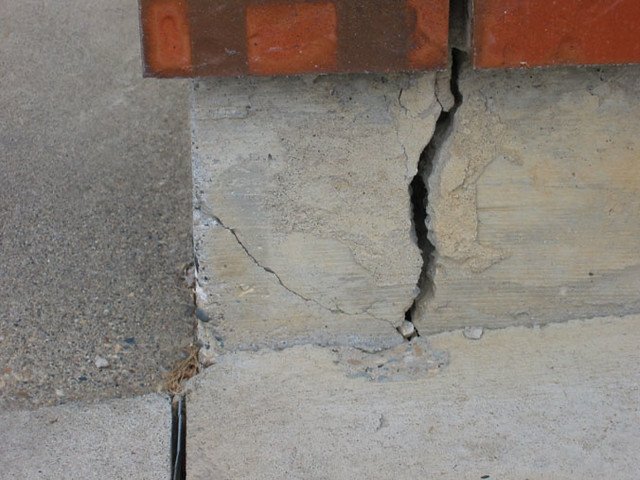
Once you’ve killed all the ants in your house, work on preventing re-infestation. Repair any leaks, seal cracks, and store food in airtight containers. Repellents that can be used both indoors and outdoors have a good effect. How do you get rid of ants? Share your experience in the comments!