Table of Contents Show
DIY chimney repairs can be a great way to save money on maintenance and repair costs. Thankfully, there are several relatively easy DIY chimney repairs that even novice do-it-yourselfers can tackle without too much difficulty.
This article will provide an overview of seven simple DIY chimney repairs that can help keep your chimney in safe and efficient working order.
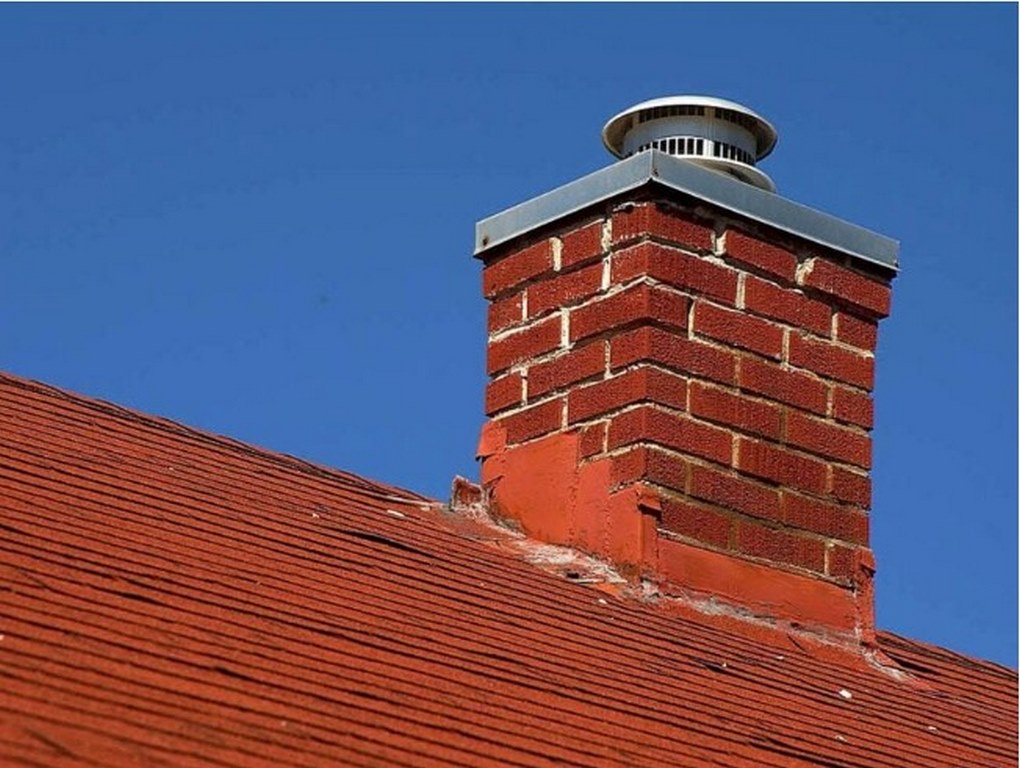
Your chimney is making weird noises; you’re worried it might collapse. You don’t know how to fix it yourself, and you don’t want to pay a professional, either. Follow these Four Seasons Fire Place easy DIY steps to fix your chimney yourself.
1. Large Holes Forming around the Chimney’s Surface
Large holes forming around the chimney’s surface can be a cause for concern, as they may compromise the integrity of your chimney. If left unchecked, these large holes can lead to other problems such as water leaks, smoke and fumes entering your home, and even the possibility of a chimney fire.
In order to determine if you have large holes forming around your chimney’s surface, it is important that you inspect it regularly. Look for any gaps or larger openings in the mortar and brickwork of your chimney.
These will usually appear towards the bottom where rainwater collects and erodes away at the structure over time. If you see any signs of deterioration or discoloration on or near your chimney then this could also be indicative of a problem.
Read Also:
2. Old Brick Mortar that’s Falling Out
Old brick mortar that’s falling out can be a big problem for homeowners. It not only detracts from the look of your home, but it can also cause serious structural issues.
In order to protect your home and ensure its longevity, it is important to take steps to repair any old brick mortar that may be deteriorating.
Identifying this problem is the first step in making sure you keep your home safe and secure. Old mortar can crumble away easily, leaving large hollow spaces between bricks which can affect the stability of walls or chimneys.
You should inspect your home regularly for signs of crumbling mortar such as small bits of debris around windows or doors, discoloration on bricks, or even cracks in the surface of walls surrounding them.
3. Completely Destroyed Blocks
Chimney repairs can be a frustrating and daunting task. One of the most difficult areas to repair is the completely destroyed blocks in the chimney. Completely destroyed chimney blocks require removal, resetting, and rebuilding of masonry units in order to ensure a safe, clean and efficient operation of your fireplace or wood stove system.
The first step for repairing any chimney block is to identify what type of block has been used. Once identified, it is important to make sure that any damaged stones are removed from the structure so that new stones can be put into place.
In some cases, accessible mortar may need to be chiseled out before any new stones can be replaced. After this process has been completed, it’s time to build up the masonry units with fresh mortar and water until they are level with existing walls or newly installed blocks.
4. Shattered Hairlines That Can Easily Spread
Shattered hairline cracks can spread rapidly and cause serious damage to chimneys. These fractures, also known as step cracks, are one of the most common problems in brick chimneys and can often be a sign of more severe structural damage. Homeowners should be aware of the potential dangers and take steps to seek professional repair services sooner rather than later.
Chimney repairs for shattered hairline cracks require extensive knowledge and experience to ensure a safe, secure repair job. Repairs may involve additional reinforcement materials such as steel lintels or masonry anchors paired with mortar replacements.
Mortar replacements must match the existing structure in order to prevent further damage from occurring due to an improper mixture or incorrect installation methods. Without proper repair, these cracks can cause greater instability within the entire chimney structure making it more susceptible to collapse during seismic activity or high winds.
5. Shattered Chimney Crown
A shattered chimney crown is a common source of water damage for many homeowners. The chimney crown is the concrete or mortar layer at the top of the chimney that protects it from moisture and debris.
When this protective cover cracks, wear, or deteriorates over time, water can enter your home and cause extensive damage if left unrepaired.
Getting your chimney inspected regularly by a qualified professional to check for any signs of deterioration is important in preventing costly repairs due to a deteriorated or cracked crown.
If you do discover that your chimney crown has been damaged, it’s extremely important that you have the issue repaired quickly in order to prevent further damage to your home’s interior and exterior structures.
The Bottom Lines
In conclusion, it is possible to execute a number of DIY chimney repairs with the proper tools, materials, and knowledge. These seven easy fixes will help you to maintain your chimney and keep it safe for use.
Allowing the professionals to take care of the more complex repairs and installations is always recommended. Taking on some of the simpler maintenance tasks on your own will not only save you money but also provide peace of mind that your chimney is in good working order.