• Home Improvement
    • DIY
    • Remodeling
    • Woodworking
    • Home Design
      • Furniture
      • Organize
      • Tips
      • Decor
        • Interior
        • Exterior
    • Design Ideas
      • Bathroom
      • Bedroom
      • Dining Room
      • Living Room
      • Kitchen
  • Gardening
    • Backyard
    • Front Yard
    • Landscaping
  • Building Staircase
  • Categories
    • Home Improvement
    • Decor
    • Gardening
    • Woodworking
    • Lifestyle
    • Green Living
    • Real Estate
Dream Lands Design
  • Home Improvement
    • DIY
    • Remodeling
    • Woodworking
    • Home Design
      • Furniture
      • Organize
      • Tips
      • Decor
        • Interior
        • Exterior
    • Design Ideas
      • Bathroom
      • Bedroom
      • Dining Room
      • Living Room
      • Kitchen
  • Gardening
    • Backyard
    • Front Yard
    • Landscaping
  • Building Staircase
  • Categories
    • Home Improvement
    • Decor
    • Gardening
    • Woodworking
    • Lifestyle
    • Green Living
    • Real Estate
featured image - Is Having a Smoke Detector Installed a Wise Choice?

Is Having a Smoke Detector Installed a Wise Choice?

  • Perla Irish
  • September 13, 2024
Total
13
Shares
0
0
13
0
0
Table of Contents Show
  1. Types of Smoke Detectors
    1. Photoelectric Smoke Alarms
    2. Ionization Smoke Detectors
  2. Which Smoke Detector to Install?
    1. Power Supply Options
    2. Battery Operated Detectors
    3. Hard-Wired Smoke Alarms

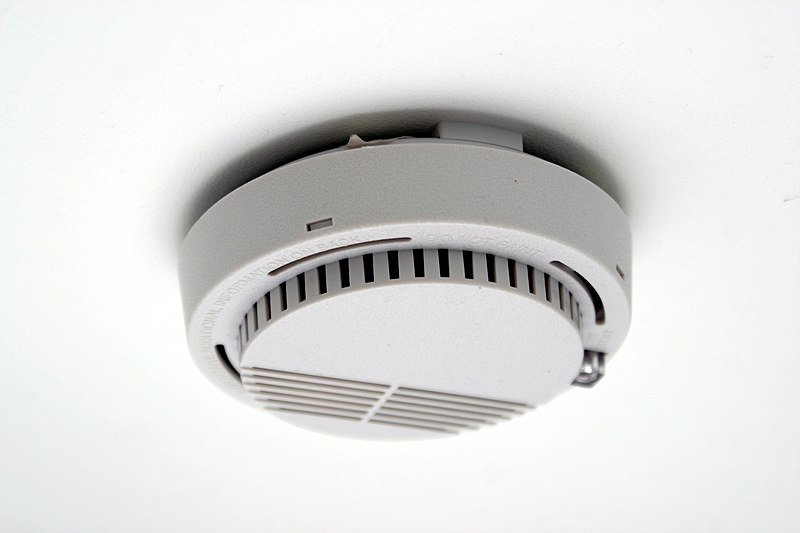
Smoke detectors are one of the most crucial devices in any household, yet so many people fail to understand how they really work.

There are two types of smoke detectors in any apartment-

  • Photoelectric smoke alarms
  • Ionization smoke detectors

We are sure that some of you might be thinking, Why should you even know the difference? But a little knowledge here could save your life one day!

Still confused? Read ahead-

Types of Smoke Detectors

Photoelectric Smoke Alarms

These are one of the most common and readily available smoke detectors. They use a light source and a light sensor to detect smoke.

Its working is quite simple to understand. This device emits light. When there is smoke in the room, the light reflected by the device is blocked by that smoke.

This is then a signal to the detection chamber. As soon as the signal is transferred, the alarm trips.

This smoke detector is used in most places because it helps catch fire at the very initial stages.

We all know that before the fire catches up, there are fumes in the room. Fumes can be smoky or dangerous; nevertheless, the detector can sense them and then alert the owners. Making it a very safe and sound option for people to install.

Ionization Smoke Detectors

As suggested by its name, these detectors use ionized particles to detect fire. In each detector, two electrically charged plates contain some kind of radioactive material in between.

The electric charge and the radioactive substance cause a chemical reaction that ionizes the air, and the current starts to flow heavily between both plates.

When the smoke enters the detector, the current gets disrupted, and the alarm gets activated.

These alarms work best in flaming fires, which produce large smoke. Unlike the said above, these do not sense fire at the initial stages.

Hence, these alarms could be used in places like kitchens or factories where there is a regular fire hazard, yet you don’t need your alarms to trip just at a small amount of smoke.


Read Also:

  • How to Clean Up After Fire Damage and Get Rid of the Smoke Smell in Your Home
  • How to Wire Smoke Detectors in a Hardwired System
  • Smoke Alarms, What You Need to Know

Which Smoke Detector to Install?

Well, this is one of the most thought-about questions, yet there is no right or wrong answer here. You can install any one smoke detector that matches your needs.

Although it is recommended that you do not install both types of detectors in one place. Consulting a Florence SC electrician  (or an electrician from elsewhere) can help ensure that your smoke detectors are installed safely and in optimal locations.

The real doubt is, which power supply should one use?

Power Supply Options

There are mainly two options to make sure your detectors are fully active to take care of you. Though one option is safer than the other.

Battery Operated Detectors

This is a convenient and common option. The smoke detectors, especially the photoelectric smoke alarms, do not use much battery, and hence, people prefer to use them to supply power.

It is low maintenance and requires yearly changes. Yet, batteries are not 100% safe. They can drain out and render the device useless at any moment, and you may not want to risk your life on such unpredictability. For that, we have another option for our power source-

Hard-Wired Smoke Alarms

As the name suggests, these are wired to the main electrical system of the house. These alarms also require batteries, but unlike the previous ones, batteries are in case of an emergency as a backup.

They, in general, never go out of power and run on electricity. Hence, they are safer, and the maintenance is quite similar to that of battery smoke alarms.

Total
13
Shares
Share 0
Tweet 0
Pin it 13
Share 0
Share 0
Previous Article
A 3D render of a modern wood-framed house in early construction stages, featuring neatly stacked piles of lumber and various construction materials in the foreground. A Caucasian architect in safety gear examines blueprints while an East Asian builder, also in safety gear, engages in discussion over the plans. Blueprints are spread out on a table but remain unreadable. The backdrop showcases lush green trees and a clear blue sky, highlighting sustainable home-building practices.

How Much Wood Do You Need for a 2000 Square Foot House?

  • Perla Irish
  • September 7, 2024
View Post
Next Article
A beautifully designed backyard features an elegant wooden deck with intricately detailed skirting, surrounded by vibrant green plants and various colorful flowers.

Transforming My Backyard with Deck Skirting: A Homeowner’s Journey

  • Perla Irish
  • September 13, 2024
View Post

Subscribe

Subscribe now to our newsletter

You May Also Like
comfortable home office workspace with desk near window and natural lighting
View Post

How to Create a Comfortable Home Office That Supports Everyday Work

  • March 9, 2026
Modern household appliances including refrigerator, washer, dryer, and dishwasher inside a contemporary home interior
View Post

How Modern Home Appliances Changed Daily Life in Today’s Homes

  • March 7, 2026
Installed sump pump system in residential basement concrete floor basin
View Post

Sump Pump Maintenance Checklist: How to Keep Your System Ready Before the Next Storm

  • February 28, 2026
Wall-mounted ductless mini split air conditioner in a modern living room
View Post

Maintenance Practices That Extend Ductless Heating and Air System Life

  • February 14, 2026
Ceiling HVAC air vents integrated into a quiet residential living room
View Post

How HVAC Systems Actually Work (and Why They Often Feel Inefficient at Home)

  • February 4, 2026
Wall-mounted home thermostat and HVAC air vent in a quiet residential hallway
View Post

Understanding Home HVAC Systems: What Actually Matters, What Doesn’t, and When to Act

  • February 4, 2026
Air conditioner integrated into a calm residential living space during daytime
View Post

Why Your Air Conditioner Is Not Blowing Cold Air (And What That Usually Means)

  • January 31, 2026
Wall-mounted air conditioner in a quiet living room during daytime
View Post

Leaving the Air Conditioner On All Day: When It Helps, When It Quietly Backfires

  • January 31, 2026
  • About
  • Privacy Policy
  • Terms of Use
  • Disclosure
  • Sitemap
  • Contact Us

Input your search keywords and press Enter.