Table of Contents Show
If your windows aren’t soundproof, noise from the outside world will inevitably interfere with your everyday activities.
While you have little influence over what occurs outside, you can soundproof windows using these methods to stop (or at least lessen) the noise.
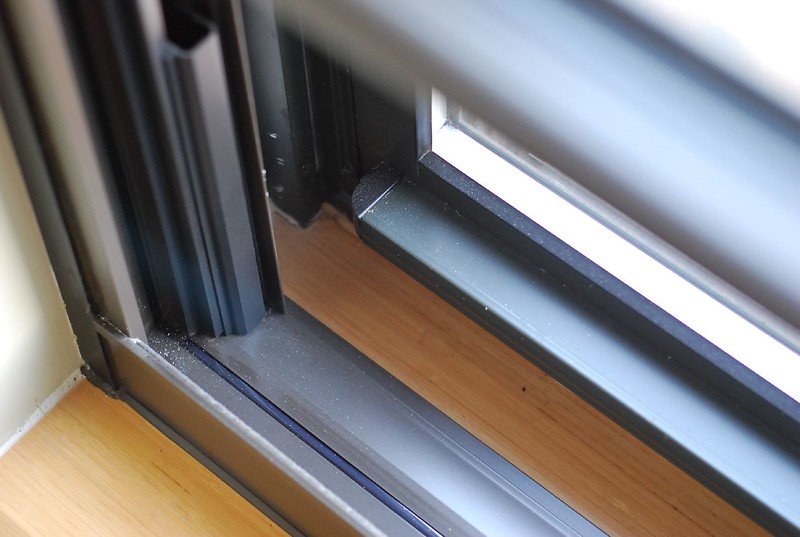
You may have heard of remedies like replacing your home’s current windows with sturdy and double-layered ones. However, you wouldn’t be reading this post if that were what you wanted.
Due to the costs, most homeowners would prefer something other than this alternative, which is also not an option for individuals who reside in rented apartments. Therefore, the ideal method is to soundproof windows without replacing them.
1. Putting in Window Inserts
The best approach to quiet the noise is to use soundproof window inserts. With about a 5-inch gap with the interior face of your current window, these glass inserts are fitted into the window frame.
More significant noise-reduction benefits than single-pane windows are provided by the air space between the insert and the window, which prevents the majority of sound vibrations from passing through the glass (more on these ahead). Laminated glass is used to make the most efficient inserts.
Setting up an insert ahead of a single-pane window will provide more noise reduction benefits than doing the same with a double-pane window.
This is because a double-pane window’s STC is frequently higher; thus, an insert won’t significantly raise its overall STC. Typically, an installed insert for one window costs between $350 and $800.
Read Also:
2. Employ Acoustic Caulk
Small gaps between the window frame and an inside wall can cause your windows to not perform up to their STC rating and let outside noise into your house.
Filling up these spaces with acoustic caulk is easy. This soundproof, latex-based solution keeps windows’ STC while reducing sound transmission and allowing for window opening and closing.
Applying acoustic caulk is the most straightforward and least expensive approach to soundproof windows. Use a putty knife to remove any silicone caulk that may already be around the window frame.
Apply a thinner bead of caulk in the space between the inside window frame and interior wall by cutting a quarter-inch aperture in the tip of the acoustic caulk tube, inserting it into a caulking gun, and pulling the trigger.
3. Weather Stripping
Caulk and weatherstripping serve the same purposes, but weatherstripping is less durable. It can also be used along with caulk to improve your window’s energy efficiency and noise reduction. Look for gaps where the window and frame meet, and clean the structure.
Anyone can use weatherstripping because it is simple. Cut it to the desired length with a knife or pair of scissors.
4. Hang Sound-Absorbing Drapes
Hang sound-absorbing drapes to reduce brightness and soften sounds.
Sound-absorbing curtains are often lined with vinyl or another material that absorbs sound and range in price from $20 to $60 per panel.
They are constructed of thick, heavy fabric like velvet, and these drapes also reduce echoes.
They are better suited for light noise pollution that can disturb sleep, such as crickets or birds tweeting than they are for dampening the sound of loud street traffic because they dampen but do not entirely block sound.
Numerous of these window coverings also function as good blackout curtains with foam backing that reduces light. They are particularly well-liked by people working the night shift and sleeping during the day.
5. Put Double-Cell Shades
Rows of fabric cells or hexagonal tubes are piled on top of each other to make cellular shades, often referred to as honeycomb shades.
These shades have the following functions: In addition to blocking out light, they also absorb sound that vibrates into space to lessen echo, limit indoor heat gain in the summer, and retain heat in the winter.
Double-cell shades absorb more sound since they feature two layers of cells. They work best for persons who endure moderate noise pollution, much like sound-dampening drapes.
6. Window Plug
Soundproofing devices called window plugs to slide into the window frame. They function by adding layers of acoustic foam, soundproof matting, and wood to the area in front of your windows, and sound waves entering from the front are absorbed by the foam.
The mat and the wood backing board prevent any noise that passes through the foam. The wood’s rear surface has handles attached for convenient installation and removal.
The benefit of plugs is that they are temporary and can be inserted when necessary and removed when not.
Of course, the light-blocking capabilities of the plugs could be advantageous if you reside in a location with a lot of night-time light pollution.
To match the shape of your window, cut thin boards, acoustic mats, and acoustic foam. To guarantee optimum sound absorption, ensure they fit snugly inside the window frame.
Using bond or spray adhesive, fasten the mat and the acoustic foam to the thin board. Attach a handle to the plug’s opposite side to help you move the plug into the window.
Conclusion
Windows can be soundproofed using creative methods with various costs and levels of intrusion. By decreasing noise, you may create a more peaceful home environment where your family can relax and thrive.
Understanding the best methods for soundproofing windows can provide you with various options to create a solution that works with any budget.