Table of Contents Show
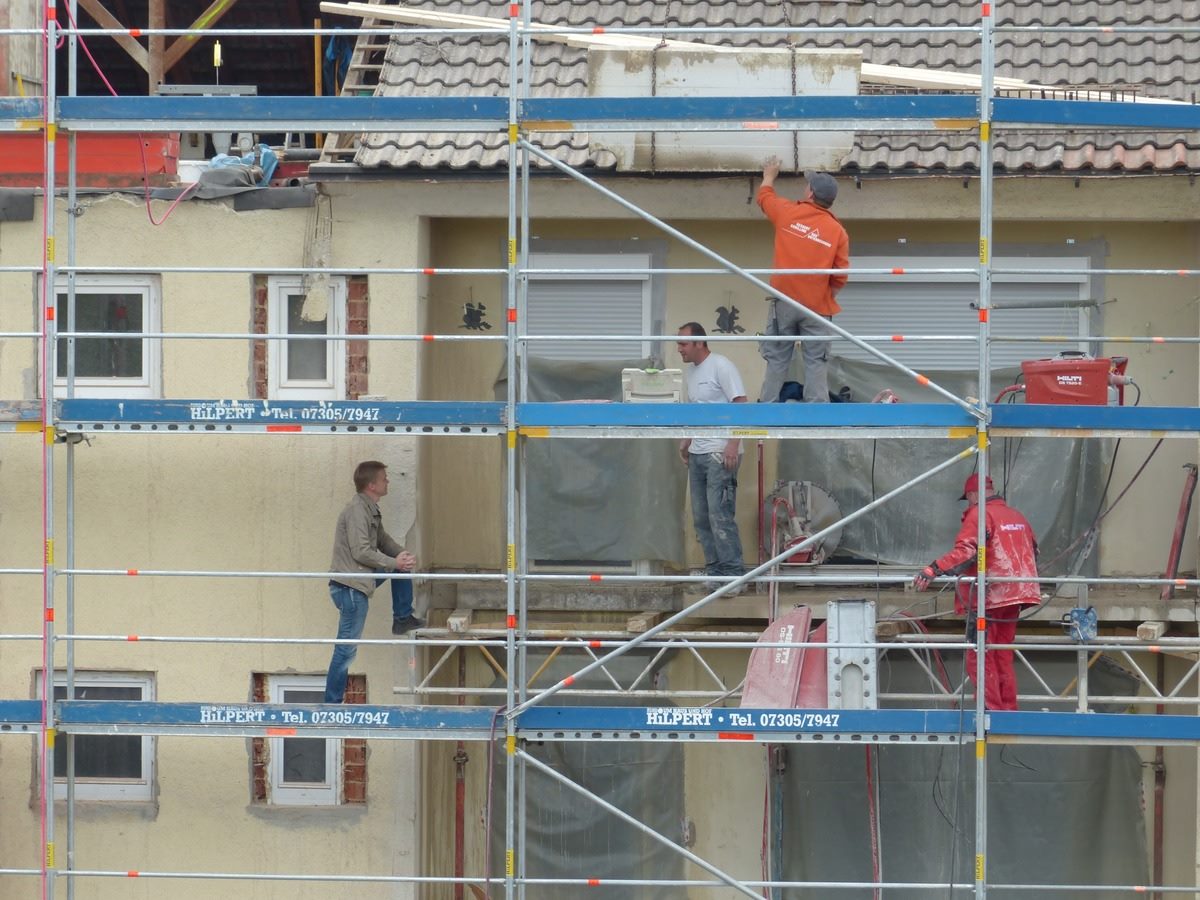
For most people, perhaps the first thing that comes to mind when they hear the word “demolition” is a bulldozer tearing down a building or a wrecking ball that kicks up a lot of dust. However, interior demolition is a bit different.
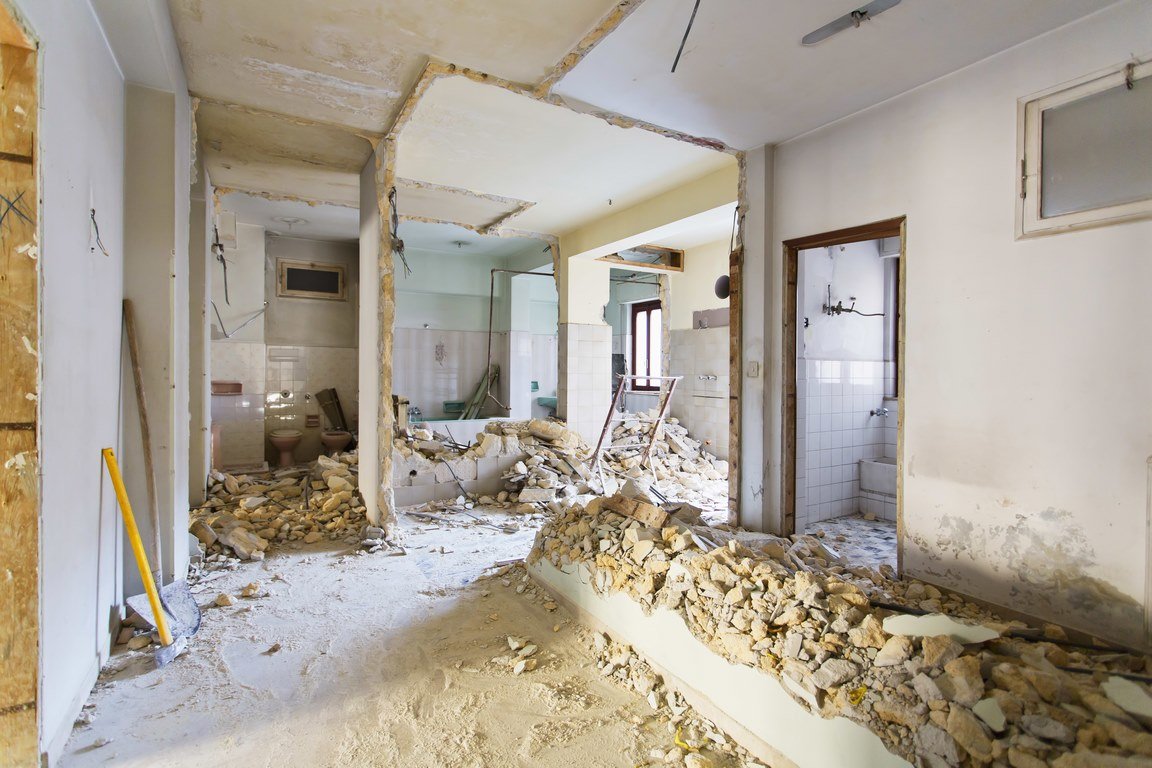
As the name suggests, it is the process of demolishing interior partitions that may have no structural bearing on the building as a whole. It is usually used for remodeling projects, and it can include anything from ceiling removal and floor removal, demolition of non-load bearing walls, and removing fitted appliances and furniture.
For those looking for an experienced demolition company, you can visit the website for more information. Whatever the reason for your interior demolition project, before you start, here are a few steps you may need to be aware of.
1. Acquire Permits
In general, you’ll need to secure a permit before you begin any form of demolition of your house. However, rules and regulations may vary from one state to another. And so, it may be best to check with your local government before starting a house project.
In most cases, your local municipality needs to be notified to assess and ensure that the demolition and renovations do not affect the structural integrity of the building being renovated.
The permit can also be an acknowledgment that you agree to shut off all utilities (water, electricity, gas) and advise the occupants living near you of your project.
Furthermore, it is crucial to note if your home or building has asbestos as there may be a need for an additional permit apart from the demolition permit itself.
And in some instances, you may also need to hire asbestos removal specialists to remove the asbestos-lined material safely. Without doing so, you could potentially risk leaving those in the vicinity exposed.
If you’re planning to hire a professional contractor for this job, note that most would take care of acquiring the essential permits needed for the project. However, it is always best to talk about such matters with them before you start the project, as it is never advisable to do work without the necessary permission and documents.
Read Also:
2. Secure Your Safety
One of the dangers of interior demolition is exposure to dangerous particles and chemicals in the demolition process. As such, it’s crucial to consider and ensure the ventilation in place is enough to handle funneling out harmful substances to keep everyone working inside safe.
If you are undertaking the project yourself, it is essential and recommended to invest in Personal Protective Equipment (PPE). For instance, hard hats can protect you from overhead risks, and those working close to power tools or using chemicals will need eye and face protection.
It’s also prudent to have respiratory protection and hearing protection. Having all this in place can help protect you from various foreseen and unforeseen hazards around the site.
More so, ideally, the demolition process should be done by professionals who can take into account the plumbing, electrical wiring, and structural integrity of the building, amongst other things. Only proceed with the demolition yourself if you are conversant in those fields to lower the risk of accidents and property damage.
3. Protect Valuables
Aside from sorting out your safety plans during the execution, you’ll also need to consider how to protect your belongings in the space you wish to demolish.
In the course of the interior demolition process, a lot of dust can travel through your building, which can lead to thick films of dust settling over items.
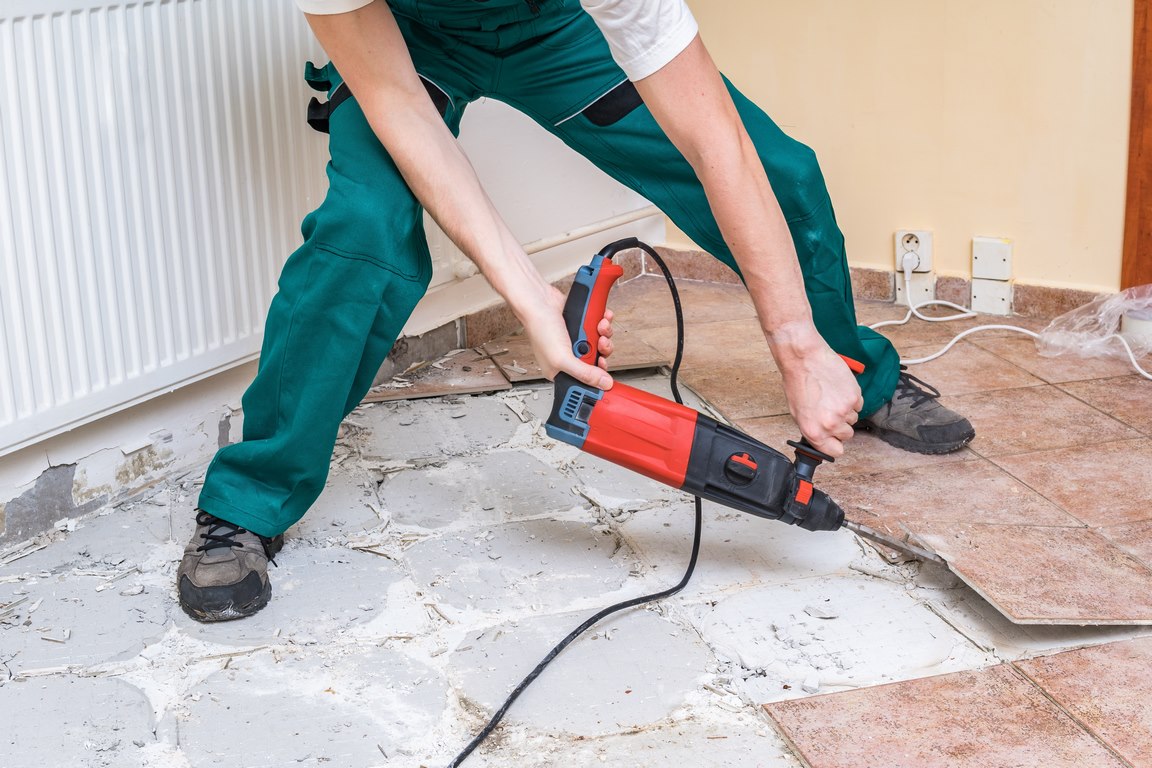
To protect your items, you can begin by shifting all moveable belongings into areas that won’t be affected by the demolition. Alternatively, for the fixed items, you may cover them in sheets or plastic tarps, ensuring they are secured well to keep all the dust from infiltrating.
Furthermore, if possible, consider implementing and sticking to one entrance and exit. Doing so could help prevent that dust will not go into other areas of the building. Once you have established these, you may start with demolition.
4. Dispose of Waste Material
Whether it is ceiling replacement, floor removal, drywall removal, or demolition of non-load bearing walls, a significant portion of waste materials could be left behind after all the work is done.
As such, these must be disposed of properly since some of the waste material may cause environmental hazards. Check with your local government about their requirements for waste removal on demolition sites so you can plan before starting the project.
Conclusion
Demolition work can give your space a fresh look and leave you with a blank slate. It can also allow you to make the necessary adjustments that fit your vision.
And with the information above, you can be guided on the steps to consider. Have fun during the process, always put your safety first and work smart.