• Home Improvement
    • DIY
    • Remodeling
    • Woodworking
    • Home Design
      • Furniture
      • Organize
      • Tips
      • Decor
        • Interior
        • Exterior
    • Design Ideas
      • Bathroom
      • Bedroom
      • Dining Room
      • Living Room
      • Kitchen
  • Gardening
    • Backyard
    • Front Yard
    • Landscaping
  • Building Staircase
  • Categories
    • Home Improvement
    • Decor
    • Gardening
    • Woodworking
    • Lifestyle
    • Green Living
    • Real Estate
Dream Lands Design
  • Home Improvement
    • DIY
    • Remodeling
    • Woodworking
    • Home Design
      • Furniture
      • Organize
      • Tips
      • Decor
        • Interior
        • Exterior
    • Design Ideas
      • Bathroom
      • Bedroom
      • Dining Room
      • Living Room
      • Kitchen
  • Gardening
    • Backyard
    • Front Yard
    • Landscaping
  • Building Staircase
  • Categories
    • Home Improvement
    • Decor
    • Gardening
    • Woodworking
    • Lifestyle
    • Green Living
    • Real Estate
Featured image - How to Deal with Overgrown Plants: 4 Options

How to Deal with Overgrown Plants: 4 Options

  • Perla Irish
  • January 31, 2023
Total
1
Shares
0
0
1
0
0
Table of Contents Show
  1. 1. Prune Back Overgrown Plants
  2. 2. Mulching for Plant Maintenance
  3. 3. Removing Unwanted Plants from Your Garden
  4. 4. Plant Relocation and Re-potting
  5. Dealing With Overgrown Plants

Having overgrown plants is not only a sign of neglect, but it can also signal a deeper problem with your yard service.
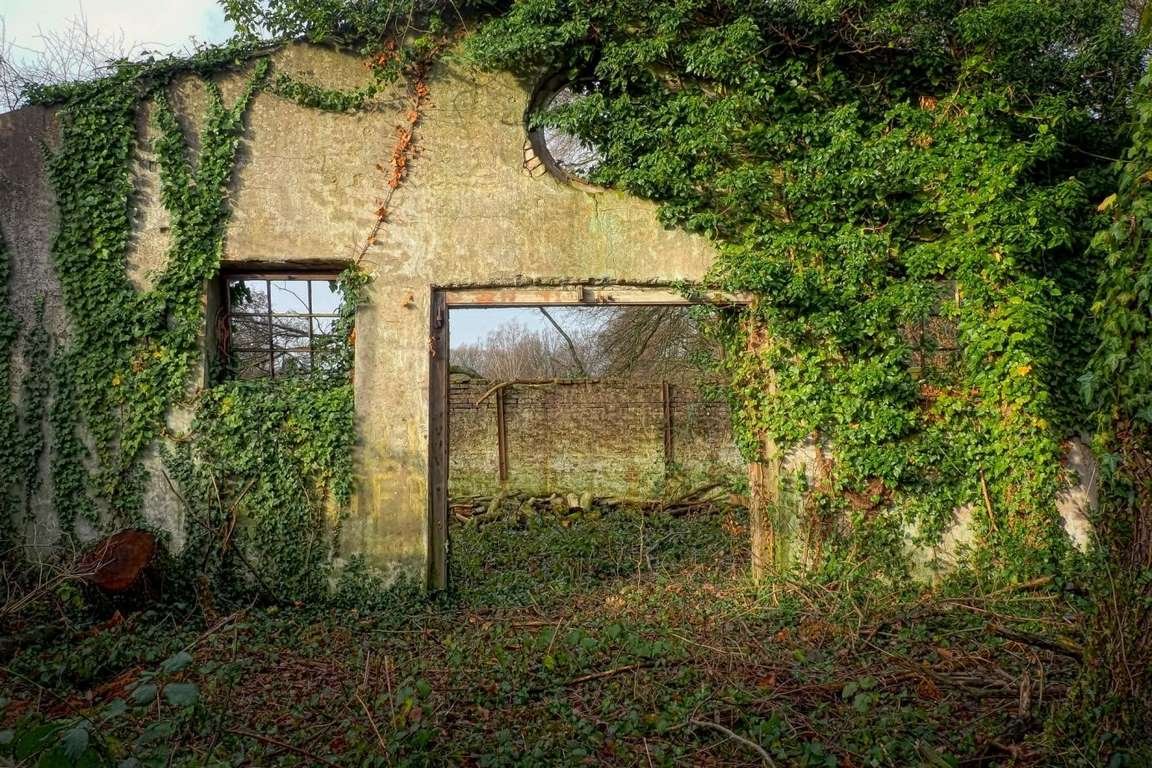
Image - How to Deal with Overgrown Plants: 4 Options
How to Deal with Overgrown Plants: 4 Options

Depending on what types of plants you have, you may be asking yourself, “How do I deal with overgrown plants?” Fortunately, there are several ways to handle this problem, and some of those ways don’t even involve pulling at the plants yourself. Keep reading for everything you need to know about overgrown plant control.

1. Prune Back Overgrown Plants

Plant pruning overgrown plants is a great way to help keep them healthy and under control. There are four main methods you can use. The four methods are selective pruning, renewal pruning, rejuvenation pruning, and topiary pruning.

Selective pruning is a technique that removes the oldest or most damaged branches. Renewal pruning is best for weak, poorly developed plants that need to be completely revitalized.

Rejuvenation pruning is used for large, woody overgrown shrubs that are overgrown and need to be reduced in size. Topiary pruning creates attractive shapes and patterns within landscaped gardens.

2. Mulching for Plant Maintenance

Dealing with overgrown plants through mulching is a great way to naturally control weeds and keep the soil moist.

The most important step in this process is to mulch the plants regularly. When plants become overgrown, the soil can get depleted from excessive watering or too much sun.

Mulching can help replenish the soil and keep it properly watered. It can also help prevent weeds from taking over the area. Additionally, mulching adds nutrients back into the soil so the plants can thrive.


Read Also:

  • 3 Signs You Should Considering Trimming Your Trees
  • 5 Easy Facts About Tree Trimming Services
  • How do I Cut Very Long Grass?

3. Removing Unwanted Plants from Your Garden

Removing unwanted plants is essential for maintaining a healthy outdoor space. Depending on the size of your garden, manual removal can be quite a task. If you’re lucky and you have a smaller garden, pulling the plants up from the roots is a great option.

If the plants are more entrenched, you can use a shovel to dig around the roots or call for a land-clearing service. Land-clearing plants make for a healthy and well-maintained backyard.

Land-clearing services like Eggemeyer Land Clearing specialize in removing unwanted plants from your garden and lawn. This effective service uses safe and environment-friendly methods to clear land. By utilizing the company’s services, you can eliminate even the hardiest weeds and overgrown trees.

4. Plant Relocation and Re-potting

Repotting is a great way to refresh the soil and stimulate new growth. To move your plants, start by lifting them up from the roots and then replanting them in a new location.

This can also be a great time to repot your plants, which includes transferring them to a bigger pot with fresh soil.

Be sure to use the right type of soil, and make sure the pot is large enough. Once relocated and repotted, the plants will be in a much better state to thrive and produce the desired results.

Dealing With Overgrown Plants

Overall, dealing with overgrown plants and unwanted vegetation can be easily managed by utilizing the four options mentioned. For larger areas, land-clearing services can provide a thorough and efficient way of removing and disposing of vegetation.

Other methods include manual removal, herbicides, and natural remedies. All of which can be used to help tidy any garden or landscape. Act now and start making your garden shine! If you’ve found this post helpful, check out some of the other articles on our blog.

Total
1
Shares
Share 0
Tweet 0
Pin it 1
Share 0
Share 0
Previous Article
Featured image - The Typical Instances When You Will Need the Services of a Locksmith

The Typical Instances When You Will Need the Services of a Locksmith

  • Perla Irish
  • January 31, 2023
View Post
Next Article
featured image - Read This Before Replacing Your Oven Light Bulb

Read This Before Replacing Your Oven Light Bulb

  • Perla Irish
  • January 31, 2023
View Post

Subscribe

Subscribe now to our newsletter

You May Also Like
mini excavator in residential backyard construction site idle
View Post

Why Mini Excavators Are a Practical Choice for Small to Mid-Sized Projects

  • May 4, 2026
cleared residential lot prepared for home construction in a suburban neighborhood
View Post

Best Lot for Your Home: What Actually Matters Before You Build

  • April 29, 2026
minor water leak under bathroom sink cabinet in modern home
View Post

What to Expect When You Call for Emergency Plumbing Services

  • April 27, 2026
limescale buildup on bathroom faucet caused by hard water
View Post

How to Soften Hard Water (What Works—and What Doesn’t)

  • April 7, 2026
vertical crack in residential brick wall near house foundation
View Post

Cracked Brick Wall: What You Can Fix — and What’s Structural

  • April 7, 2026
electrical panel with circuit breakers in a residential home showing common electrical system setup
View Post

Common Electrical Issues Homeowners Overlook (and Why They Matter Long-Term)

  • April 6, 2026
A slightly used home toolbox with basic tools and a flashlight on a wooden floor in a living room
View Post

Power Tools You’ll Actually Find in a Real Home Toolbox (And When They Matter)

  • March 17, 2026
comfortable home office workspace with desk near window and natural lighting
View Post

How to Create a Comfortable Home Office That Supports Everyday Work

  • March 9, 2026
  • About
  • Privacy Policy
  • Terms of Use
  • Disclosure
  • Sitemap
  • Contact Us

Input your search keywords and press Enter.