Table of Contents Show
Hard water is easy to fix—once you choose the right method.
If you’re seeing white residue on fixtures, dealing with dry skin after showers, or noticing reduced water pressure, the issue isn’t just hard water. The issue is choosing the wrong solution for it.
Some methods only reduce buildup. Others remove minerals entirely. Pick the wrong one, and the problem stays—just with extra cost.
This guide shows what actually works, what fails in real use, and which option fits your home.
If you’re still trying to confirm whether hardness is the main issue, start with how to reduce water hardness in house to see what actually changes inside your plumbing and fixtures.
Quick answer:
Most homes don’t need every solution—just the one that matches the problem:
- Whole-house problem → install a water softener system
- Drinking water only → use reverse osmosis
- Shower comfort issues → use a filtered showerhead
- Trying to reduce scale buildup only → magnetic systems have limited effect
What Hard Water Actually Does Inside Your Home
Hard water contains dissolved minerals—mainly calcium and magnesium. These minerals don’t just sit in water. They react with heat, soap, and surfaces across your home.
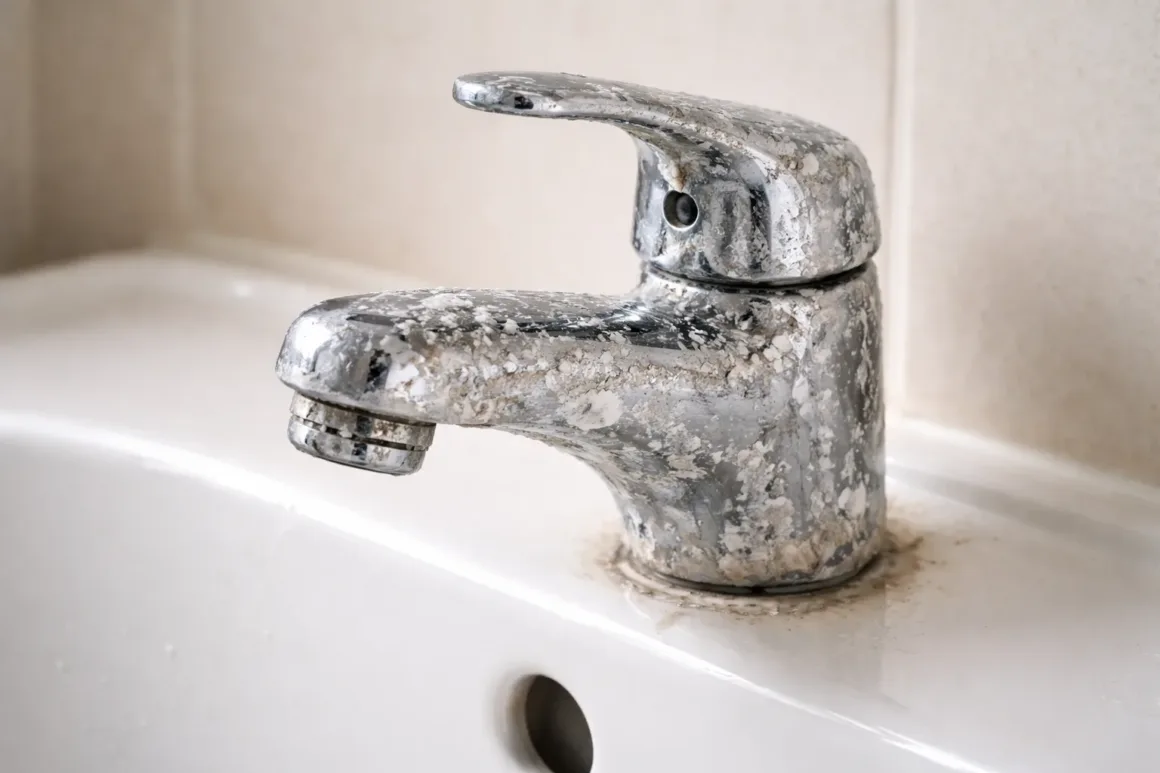
Inside pipes and appliances, they harden into scale. On surfaces, they leave visible residue. On skin and hair, they interfere with rinsing, leaving a dry or rough feeling.
This is why the same water creates different problems depending on where it’s used.
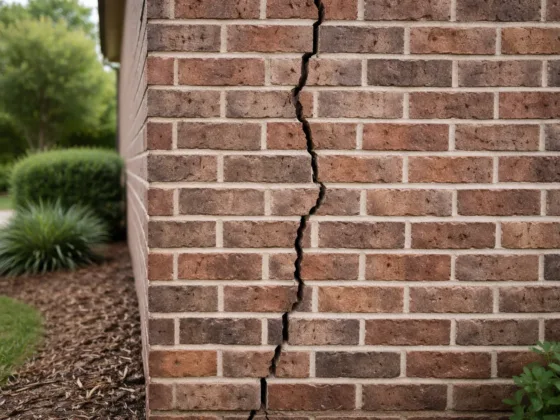
If buildup has already started affecting fixtures or walls, understanding early signs—like those explained in cracked wall repair basics—helps prevent long-term structural damage.
Check Your Water Before Fixing It
Before choosing a solution, confirm how hard your water actually is. Guessing leads to the wrong system.
A simple at-home test gives a clear signal:
- Fill a clean bottle with tap water
- Add a few drops of liquid soap (not detergent)
- Shake and observe
If the water turns cloudy with little foam, mineral content is high. If it foams easily and stays clear, hardness is low.
For a more precise reading, use a test kit and check the result in grains per gallon (GPG):
- 0–1 GPG → soft water
- 1–7 GPG → moderate hardness
- 7–10 GPG → hard water
- 10+ GPG → very hard water
If the problem shows up more as weak flow than buildup, check how to fix low shower pressure before installing any water treatment system.
4 Ways to Soften Hard Water (And When Each One Makes Sense)
Each method solves a different version of the problem. The right choice depends on where the issue shows up—not just how hard the water is.
1. Magnetic or Electronic Systems
These devices change how minerals behave in water. They don’t remove calcium or magnesium. They reduce how easily scale forms inside pipes.
This makes them useful for protecting plumbing and appliances. It does not fix water quality for skin, hair, or drinking.
Use this only if your goal is preventing buildup—not improving the water itself.
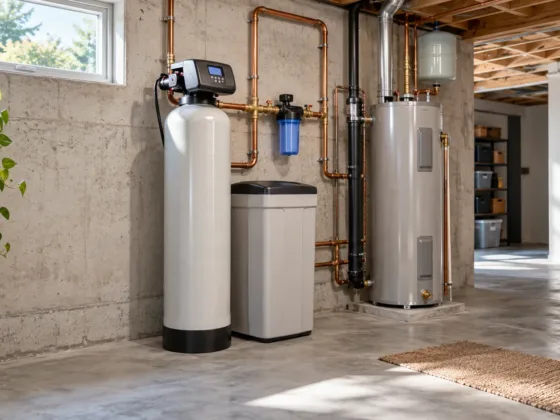
2. Water Softener System (Whole-House Solution)
This is the only method that fully removes hardness from water.
Water passes through resin beads that swap calcium and magnesium for sodium. The minerals that cause scale and dryness are removed before the water reaches your fixtures.
This changes everything across the house:
- No limescale buildup
- Better water pressure over time
- Cleaner fixtures
- Smoother skin and hair after showers
Installation costs more upfront, but it solves the problem at the source. No other option matches its impact.
If you’re deciding between different systems, this comparison of water conditioner vs softener explains which one removes hardness and which one only limits scale.
3. Filtered Showerhead (Targeted Comfort Fix)
This option focuses on one place—the shower.
Filtered showerheads reduce chlorine, some minerals, and surface residue. They improve how water feels on skin and hair, even if hardness remains.
This works well when:
- Skin feels dry or irritated after showers
- Hair feels rough or difficult to manage
- Full system installation isn’t realistic
This does not solve scale buildup in pipes or appliances.
4. Reverse Osmosis (Drinking Water Only)
Reverse osmosis systems filter water through multiple stages, removing minerals and contaminants at a single point—usually under the kitchen sink.
This produces clean, low-mineral water for drinking and cooking. It does not treat water across the house unless installed in multiple locations.
Use this when taste, purity, or mineral content in drinking water is the main concern.
Where Most Fixes Fail
Most problems come from mismatching the solution with the situation.
- Installing a shower filter and expecting scale to disappear from pipes
- Using magnetic devices and expecting soft water results
- Installing reverse osmosis and expecting whole-house impact
Each system solves a specific part of the problem. None of them replaces the others.
How Homeowners Usually Decide (And Why It Works)
Most homeowners don’t install everything. They choose based on where the issue feels worst.
- Appliances and pipes affected → whole-house softener
- Drinking water concerns → reverse osmosis
- Shower discomfort → filtered showerhead
- Trying to reduce maintenance → scale-control devices
This works because it matches the solution to the actual problem—not the label on the product.
Final Thought
Hard water is predictable. The fix becomes simple once you stop treating it as a single problem.
Choose based on where it affects your home—not based on what sounds complete. The right system feels obvious once the problem is clear.
If you’re still comparing options, start with water conditioner vs softener or review practical fixes in how to reduce water hardness in house to narrow down what fits your setup.
Author & Editorial Review
Author: Perla Irish is a design and home-focused writer covering interior materials, everyday homeowner decisions, and real-world performance of residential systems. Her work focuses on clarity, practical context, and long-term usability.
Editorial Review: This article was reviewed by the DreamlandsDesign editorial team to ensure accuracy, clarity, and decision-first usability. The review prioritizes real-world application, safety awareness, and alignment with current homeowner needs.
Last updated: April 2026