Table of Contents Show
Household mold is more than just an eyesore, whether it’s the slimy black spots on your shower curtain, the fuzzy white patches on your basement floor, or the slick orange film that accumulates on your kitchen drain.
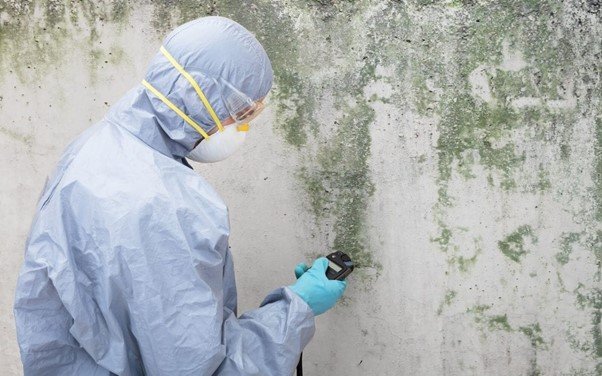
Mold in your house may make you unwell in certain situations, particularly if you have allergies or asthma. Check out this site Mold Remediation Pros for more info.
Mold exposure may irritate your eyes, skin, nose, throat, and lungs whether you are allergic to molds or not.
In this article we will talk about what exactly are molds, the reason they appear, the health problems they may cause, and ways to prevent or remove them.
What Exactly is Mold?
Mold is a kind of fungus. There are several varieties, and they may occur both inside and outdoors.
Molds produce spores, which float about and spread via the air. Mold spores may be found in every indoor setting. Spores cannot be avoided, and they may survive in situations where mold cannot develop.
Mold spores thrive in moist, warm environments, so when they land on a damp surface, they multiply rapidly.
Molds may develop on a wide range of surfaces, including cloth, paper, wood, glass, and plastic. They may digest the substance they are developing as they grow.
Read Also:
How can Mold Enter a Home?
Mold spores may be found both inside and outdoors, but they are invisible to human sight.
Spores may enter the house in the following ways:
- They may enter via the air through open windows, entrances, and ventilation systems.
- They may get attached to clothes, shoes, and pets and enter the house.
Mold will only thrive if its spores fall in an environment with perfect growth circumstances, such as wetness and a supply of sufficient nutrients. If the conditions are improper for the spores, they normally do not grow or produce a problem.
Mold is often found in the following locations:
- Areas that are floods and leaks prone.
- Condensation accumulates on windows.
- Places where air does not circulate, such as behind a closet.
Wet cellulose materials are the most conducive to mold development.
Here are several examples:
- Paper goods, such as wallpaper.
- Cardboard.
- Ceiling tiling.
- Items made of wood.
- Insulating materials.
- Upholstery and similar products.
Mold growth is often visible and has a musty stench. It may cause harm to home belongings and affect one’s health.
What Health Problems do Mold Cause
Molds are normally not a concern inside until mold spores settle on a moist or damp area and begin to proliferate. Molds create allergens (compounds that may cause allergic responses), irritants, and even poisonous substances in certain situations (mycotoxins).
Insensitive individuals, breathing, or touching mold or mold spores may cause allergic reactions. Hay fever-like symptoms such as sneezing, runny nose, red eyes, and skin rash are examples of allergic reactions.
Mold allergies are rather frequent. They might be both immediate and delayed. Molds may also trigger asthma episodes in persons who are allergic to mold.
Furthermore, mold exposure may irritate both mold-allergic and non-allergic people’s eyes, skin, nose, throat, and lungs.
Ways to Prevent or Remove Mold
There are various practical steps you may take to avoid or reduce indoor mold. These include properly heating your house and, in colder areas, insulating it to decrease air humidity and condensation.
Install and employ proper ventilation, especially in wet areas or locations where water vapor may be produced, such as bathrooms, laundries, and kitchens.
It is also necessary to monitor and maintain rain and surface water drainage to prevent water leaks. Make sure that any holes drilled in the roof or walls to accommodate skylights, windows, doors, pipelines, or other structures are waterproof.
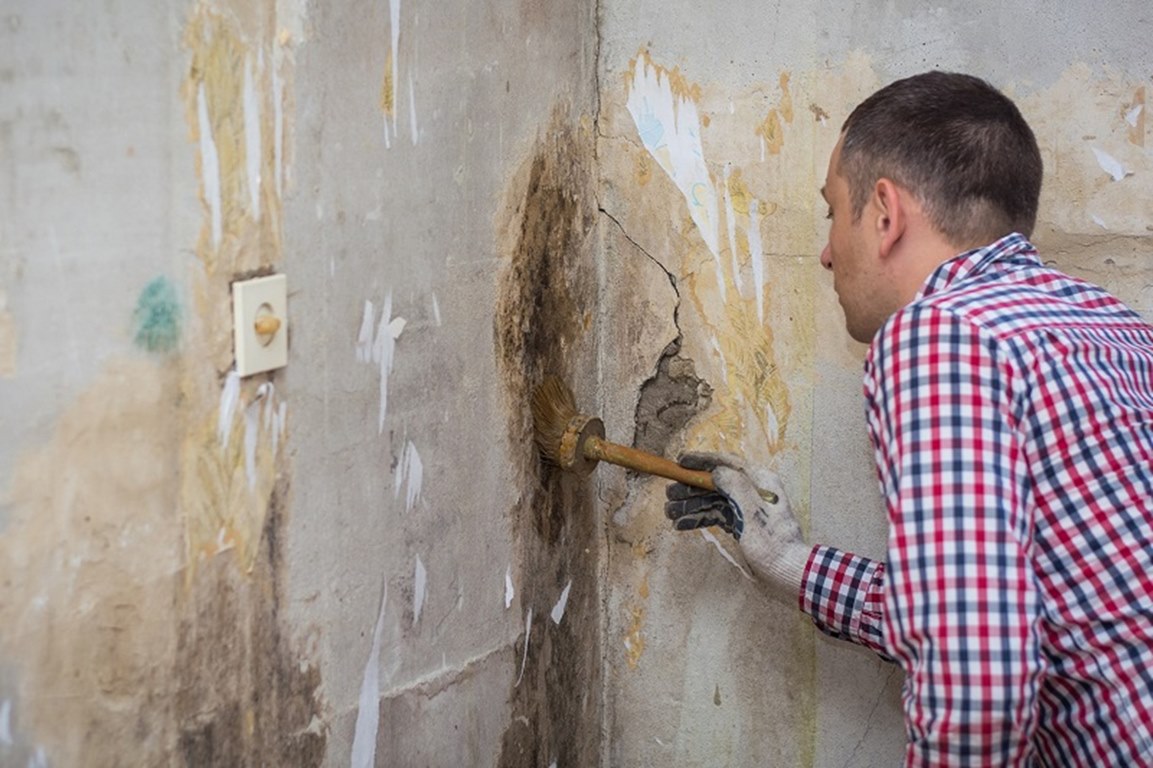
If you discover visible mold in your house, remove it as soon as possible and identify and resolve the source of the excess moisture.
Clean hard surfaces with soap and water or, if mold development persists, use a bleach solution. Depending on the extent of pollution, you may need to discard absorbent items such as carpets.
If you have substantial mold damage, you may need to hire Mold Remediation Pros. They will make you get rid of that tenacious mold and prevent you from the health hazards that may cause to you and your family.