• Home Improvement
    • DIY
    • Remodeling
    • Woodworking
    • Home Design
      • Furniture
      • Organize
      • Tips
      • Decor
        • Interior
        • Exterior
    • Design Ideas
      • Bathroom
      • Bedroom
      • Dining Room
      • Living Room
      • Kitchen
  • Gardening
    • Backyard
    • Front Yard
    • Landscaping
  • Building Staircase
  • Categories
    • Home Improvement
    • Decor
    • Gardening
    • Woodworking
    • Lifestyle
    • Green Living
    • Real Estate
Dream Lands Design
  • Home Improvement
    • DIY
    • Remodeling
    • Woodworking
    • Home Design
      • Furniture
      • Organize
      • Tips
      • Decor
        • Interior
        • Exterior
    • Design Ideas
      • Bathroom
      • Bedroom
      • Dining Room
      • Living Room
      • Kitchen
  • Gardening
    • Backyard
    • Front Yard
    • Landscaping
  • Building Staircase
  • Categories
    • Home Improvement
    • Decor
    • Gardening
    • Woodworking
    • Lifestyle
    • Green Living
    • Real Estate
featured image - The Official Buying Guide for a Commercial Oven

The Official Buying Guide for a Commercial Oven

  • Perla Irish
  • May 21, 2021
Total
2
Shares
0
0
2
0
0
Table of Contents Show
  1. Thoroughly Checking a Commercial Oven
    1. The Timer
    2. The Oven Doors
    3. Oven Racks
  2. The Two Types of Commercial Ovens
    1. Electric Oven
    2. Gas Oven
  3. Deciding on Size
    1. Space
    2. Financial Resources
    3. The Menu

The bakery business is always profitable. Desserts are probably the favorite course of a meal for several people around the world. Bakeries and confectionaries face heavy foot traffic globally, as most people get a sweet tooth from time to time.

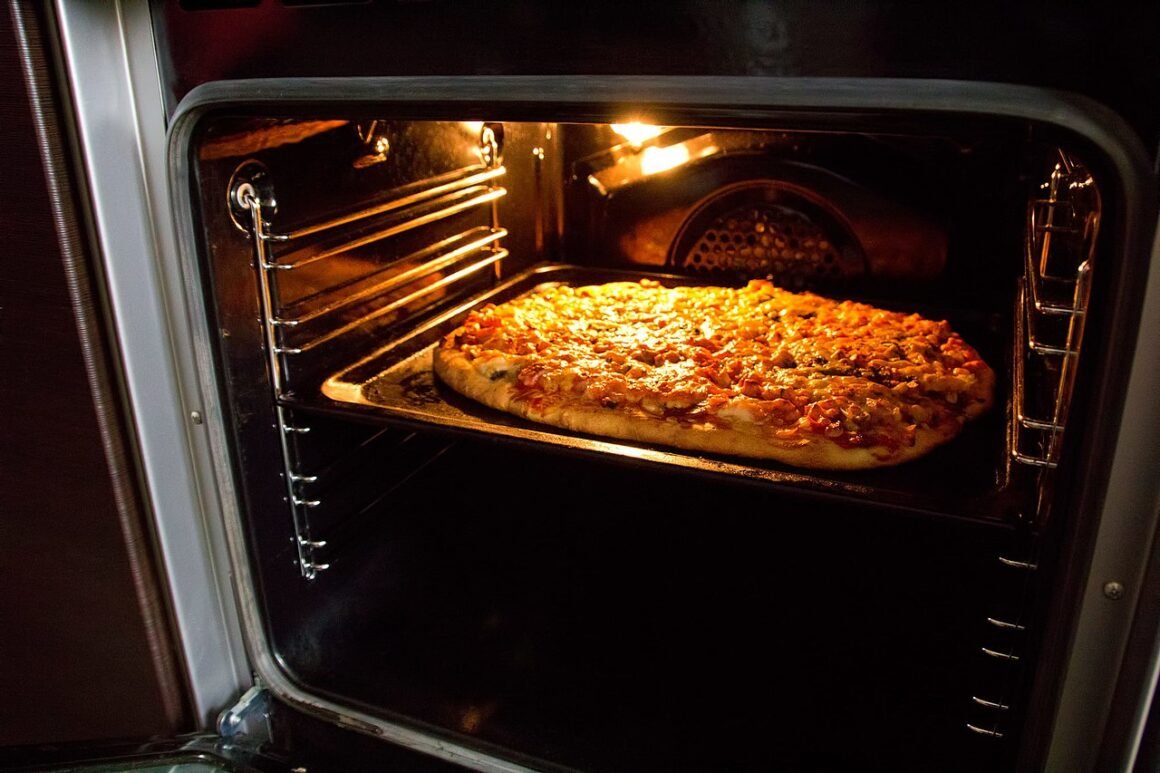
One of the most significant investments when starting a bakery is a commercial oven. Commercial ovens or baker’s ovens use convection current for baking goods.

These are heavy-duty ovens used to bake multiple batches simultaneously. Before committing to one oven, here are the features one should check.

image - The Official Buying Guide for a Commercial Oven
The Official Buying Guide for a Commercial Oven

Thoroughly Checking a Commercial Oven

There are a few crucial components that a baker has to check beforehand:

The Timer

The timer is an essential component. Manual timers have a beep or ding sound that alerts when the manually set time is over. But commercial ovens also come with digital timers that can switch the oven off once the set time is up.

This timer ensures the food isn’t overbaked or burnt and allows the baker to concentrate on the other tasks in the kitchen.

The Oven Doors

Solid oven doors, usually made of steel, ensure minimal heat loss. But every time the baker opens the door to look inside, it allows the heat out. Essentially, this means the food will not stay hot for long.

Having glass doors will enable bakers to check on the food without opening the door. Today, bakers can purchase ovens with glass doors that offer low emissions. This glass holds the heat within, keeping the food hot for longer.

Oven Racks

The oven racks support the food that is inside the oven. The shelves must move smoothly in and out of the oven to ensure accidents don’t happen.

Additionally, there should be a range of rack options that allows the baker to place the food farther or closer to the heating component. The racks should also help the baker bake as many items in a batch as possible.


Read Also:

  • Cost of Electric Oven Repairs in 2020: What You Need to Know
  • Factors to Consider When Buying a Pizza Oven For Your Garden
  • Things to Check While Acquiring A Microwave Oven

The Two Types of Commercial Ovens

Bakers should decide beforehand which oven will suit their business model.

Electric Oven

An electric convection oven offers the most sustained temperatures for evenly cooked or baked food. However, they may cause electric spikes every time they power on, so people should ensure this oven is on a separate line to ensure the bakery doesn’t face an outage.

Electric ovens also require lesser effort while cleaning than gas ovens. However, electric ovens do draw a lot of power; in areas where power costs are high, people might end up spending an enormous amount on their power bills.

Gas Oven

Gas ovens run on gas, and their financial consumption depends on the area’s gas prices. They are more cost-efficient than electric ovens. But cleaning a gas oven is tedious. The gas pipe might get blocked with the build-up of deposits and other debris.

It could lead to pressure build-up and an explosion. Bakers have to be mindful and stick to the recommended cleaning schedule. But in the longer run, these ovens consume lesser financial resources.

Deciding on Size

Three primary factors influence the decision of size.

Space

Small bakeries or start-up confectionaries should consider going for smaller ovens, which will fit their floor plan or kitchen space.

Financial Resources

The larger the commercial oven, the more the cost. Bakers should consider available models to find the one that fits their budget. They also have to buy other necessary equipment.

The Menu

Finally, bakers should have a clear vision of what their establishment will offer on the menu. They will have to assess the prime manner of operation depending on available resources (capital, human resources, available equipment).


Total
2
Shares
Share 0
Tweet 0
Pin it 2
Share 0
Share 0
Previous Article
featured image - How to Select the Best Shingles for Your Roof?

How to Select the Best Shingles for Your Roof?

  • Perla Irish
  • May 20, 2021
View Post
Next Article
featured image - To Repair or Replace? A Guide on When Roof Replacement is Necessary

To Repair or Replace? A Guide on When Roof Replacement is Necessary

  • Perla Irish
  • May 21, 2021
View Post

Subscribe

Subscribe now to our newsletter

You May Also Like
limescale buildup on bathroom faucet caused by hard water
View Post

How to Soften Hard Water (What Works—and What Doesn’t)

  • April 7, 2026
vertical crack in residential brick wall near house foundation
View Post

Cracked Brick Wall: What You Can Fix — and What’s Structural

  • April 7, 2026
electrical panel with circuit breakers in a residential home showing common electrical system setup
View Post

Common Electrical Issues Homeowners Overlook (and Why They Matter Long-Term)

  • April 6, 2026
A slightly used home toolbox with basic tools and a flashlight on a wooden floor in a living room
View Post

Power Tools You’ll Actually Find in a Real Home Toolbox (And When They Matter)

  • March 17, 2026
comfortable home office workspace with desk near window and natural lighting
View Post

How to Create a Comfortable Home Office That Supports Everyday Work

  • March 9, 2026
Modern household appliances including refrigerator, washer, dryer, and dishwasher inside a contemporary home interior
View Post

How Modern Home Appliances Changed Daily Life in Today’s Homes

  • March 7, 2026
Installed sump pump system in residential basement concrete floor basin
View Post

Sump Pump Maintenance Checklist: How to Keep Your System Ready Before the Next Storm

  • February 28, 2026
Wall-mounted ductless mini split air conditioner in a modern living room
View Post

Maintenance Practices That Extend Ductless Heating and Air System Life

  • February 14, 2026
  • About
  • Privacy Policy
  • Terms of Use
  • Disclosure
  • Sitemap
  • Contact Us

Input your search keywords and press Enter.