• Home Improvement
    • DIY
    • Remodeling
    • Woodworking
    • Home Design
      • Furniture
      • Organize
      • Tips
      • Decor
        • Interior
        • Exterior
    • Design Ideas
      • Bathroom
      • Bedroom
      • Dining Room
      • Living Room
      • Kitchen
  • Gardening
    • Backyard
    • Front Yard
    • Landscaping
  • Building Staircase
  • Categories
    • Home Improvement
    • Decor
    • Gardening
    • Woodworking
    • Lifestyle
    • Green Living
    • Real Estate
Dream Lands Design
  • Home Improvement
    • DIY
    • Remodeling
    • Woodworking
    • Home Design
      • Furniture
      • Organize
      • Tips
      • Decor
        • Interior
        • Exterior
    • Design Ideas
      • Bathroom
      • Bedroom
      • Dining Room
      • Living Room
      • Kitchen
  • Gardening
    • Backyard
    • Front Yard
    • Landscaping
  • Building Staircase
  • Categories
    • Home Improvement
    • Decor
    • Gardening
    • Woodworking
    • Lifestyle
    • Green Living
    • Real Estate
featured image - Preparing for Crossfire Pest Solutions: What to Do and Expect

Preparing for Crossfire Pest Solutions: What to Do and Expect

  • Perla Irish
  • July 30, 2022
Total
2
Shares
0
0
2
0
0
Table of Contents Show
  1. How to Prepare for The Pest Control Treatment
    1. 1. Clear the Area
    2. 2. Vacuum and Clean
    3. 3. Seal Up Any Openings
  2. What to Expect During Pest Control Treatment?
  3. What to Expect After Pest Control Treatment?
    1. 1. Avoid Using Water
    2. 2. Avoid Contact with Treated Surfaces
    3. 3. Vacuum and Clean Regularly
    4. 4. Monitor The Area
    5. 5. Take Preventive Measures

Pest control treatments can be a necessary evil in the fight against pests, but they don’t have to be an unpleasant experience.

By following a few simple steps and being prepared for what to expect, you can make your pest control treatment go as smoothly as possible. Here’s what you need to do to prepare for your crossfire pest solutions and what you can expect during and after the process.
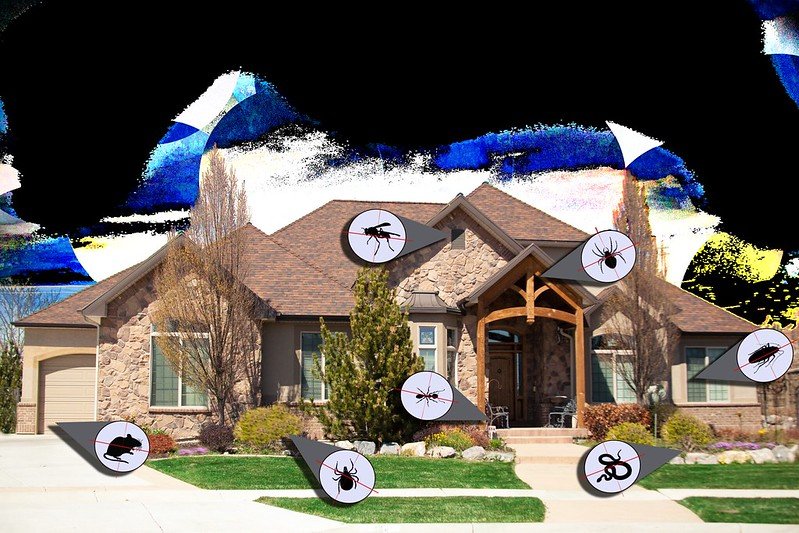
image - Preparing for Crossfire Pest Solutions: What to Do and Expect
Preparing for Crossfire Pest Solutions: What to Do and Expect

How to Prepare for The Pest Control Treatment

You’ll need to do a few things to prepare for your pest control treatment.

1. Clear the Area

The first step is to clear the area that will be treated. This means removing any items that could be in the way, such as furniture, rugs, or curtains. If there are items you can’t move, cover them with a plastic sheet to prevent them from becoming stained or damaged during the treatment process.

2. Vacuum and Clean

Before the treatment can begin, you’ll need to vacuum and clean the area thoroughly. This will help remove any pests that are already present and make it easier for pest control professionals to do their job. Be sure to pay special attention to cracks and crevices where pests like to hide.

3. Seal Up Any Openings

Once the area is clean and clear, seal up any openings that could provide an entry point for pests. This includes cracks in the walls, gaps around doors and windows, and holes in screens. By sealing these openings, you’ll make it more difficult for pests to get inside and will help prevent them from returning after the treatment is over.


Read Also:

  • Guide for Effective Mold Removal and Pest Control Methods for Your Home
  • What to Look for When Hiring a Pest Control Company
  • Do It Yourself Pest Control Vs. Hiring an Expert
  • Things You Need to Know About Pest Control

What to Expect During Pest Control Treatment?

Pest control treatments usually involve chemicals, so it’s essential to be prepared for what to expect. The first thing you’ll likely notice is a strong smell, which is normal and should dissipate within a few hours. You may also see fog or mist in the air, which is normal and should disperse within a few minutes.

You’ll need to stay out of the treated area during the treatment process. This includes staying out of any rooms that share a wall with the treated area. Once the treatment is completed, ventilate the area by opening windows and doors to let in the fresh air.

What to Expect After Pest Control Treatment?

1. Avoid Using Water

After the treatment, you’ll need to avoid using water in the treated area for at least 24 hours. This includes watering plants, mopping floors, or running the dishwasher. Doing so could cause the chemicals to spread and potentially contaminate other areas of your home.

2. Avoid Contact with Treated Surfaces

Contact the professionals who performed the treatment if you have any questions or concerns about your pest control treatment.

3. Vacuum and Clean Regularly

Even after the treatment is completed, you’ll need to vacuum and clean the area regularly. This will help remove any lingering chemicals and prevent pests from returning.

4. Monitor The Area

Be sure to monitor the treated area for any signs of pests. If you see any, be sure to contact your crossfire pest solutions professional right away.

5. Take Preventive Measures

In addition to regular cleaning and vacuuming, you can do a few other things to prevent pests from returning. These include sealing up any cracks or openings in your home, removing potential food sources, and keeping your yard clean and free of debris.

By following these simple steps, you can make your pest control treatment go as smoothly as possible. If you have any questions or concerns, contact the professionals who performed the treatment. They’ll be able to give you more information and answer any questions you may have.


Total
2
Shares
Share 0
Tweet 0
Pin it 2
Share 0
Share 0
Previous Article
featured image - Neutral Bay Picture Framing Gallery A Guide to Choose a Wall Painting

Neutral Bay Picture Framing Gallery: A Guide to Choose a Wall Painting

  • Perla Irish
  • July 30, 2022
View Post
Next Article
featured image - A Home Owner's Guide to the Different Types of Windows

A Home Owner’s Guide to the Different Types of Windows

  • Perla Irish
  • July 30, 2022
View Post

Subscribe

Subscribe now to our newsletter

You May Also Like
Landscaping measuring tape resting on crushed granite aggregate spread over a prepped garden path base
View Post

How to Estimate Gravel and Aggregate for Home Landscaping Projects Without Overordering

  • September 14, 2026
A clean pickup truck bed coated with a textured black spray-in bed liner filled with contractor tools and lumber
View Post

Why Spray-In Bed Liners Make Sense for Hard-Working Pickup Trucks

  • September 11, 2026
Close-up of heavy-duty industrial lift components and steel guide rails inside a commercial elevator hoistway
View Post

Why Quality Lift Components Matter for Safety, Reliability and Performance

  • September 3, 2026
An organized modern workshop with a high ceiling unit heater mounted near the ceiling
View Post

How to Properly Size Unit Heaters for Garages, Workshops & Commercial Spaces

  • August 31, 2026
A clear glass window sill with a potted eucalyptus plant and a view of a sunlit backyard garden
View Post

Practical Solutions for the Most Annoying Window Cleaning Problems

  • August 19, 2026
Classic double-brick older Ontario home showing winter energy efficiency and cozy indoor lighting
View Post

Improving Home Comfort and Energy Efficiency in Older Ontario Homes: A Technical Retrofit Guide

  • August 14, 2026
Uneven concrete driveway with a sunken slab outside a modern suburban home
View Post

Uneven Concrete: Why It Happens, Why It Matters, and What Leveling and Lifting Can Do About It

  • August 4, 2026
Employees preparing a commercial office move by packing workstations, labeling equipment, and organizing IT infrastructure before relocation
View Post

What Every Business Should Know Before Planning a Commercial Move

  • August 3, 2026
  • About
  • Privacy Policy
  • Terms of Use
  • Disclosure
  • Sitemap
  • Contact Us

Input your search keywords and press Enter.