Table of Contents Show
Heat pumps are like 2-in-1 solutions because they can cool down the building during hot summers, but they may also heat up the space during cold seasons.
Unfortunately, the system, even from the best manufacturer, may start malfunctioning, stop working, or break down. In this case, you need heat pump repair.
This article explores the types of heat pumps, what they do, and the benefits of hiring a professional for heat pump repair or installation.
About Heat Pumps And Their Types

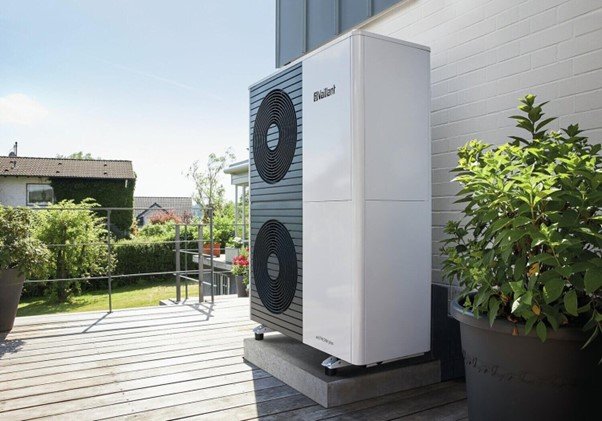
A heat pump is a device that moves heat from a cooler place to a warmer place. In addition to providing hot water, a heat pump can heat spaces in winter, cool them in summer, and more.
It also supplies hot water for sanitary use. By changing how it operates, a heat pump can cool your home during hot months. There are four main types of heat pumps based on the fluids used for heating/cooling solutions:
- air-water heat pump;
- air-air heat pump;
- water-water heat pump;
- ground-water heat pump (or geothermal).
Usually, these systems are installed by professionals. DIY projects require skills and proper tools/equipment. That’s why it’s best to contact a professional service provider for a safe and high-quality installation.
Air-Water Heat Pump
This type offers heating and cooling. It generates heat by absorbing heat from the outside air. It transfers heat from a colder fluid to a warmer one, like sanitary water or heating system water. Consider using an air-water heat pump for a flexible heating and cooling option.
Air-Air Heat Pump
An air-air heat pump consists of at least two units, including an external one. It uses splits and an air duct system. Air conditioners are examples of air-air heat pumps. This system is suitable for heating and cooling rooms.
Water-Water Heat Pump
A water-water heat pump uses water as the cold and hot source. Heat exchange occurs between the refrigerant and water. This type is efficient for properties with a reliable water source.
Ground-Water Heat Pump (Geothermal)
A geothermal heat pump heats water using ground heat captured through a geothermal probe. It offers high energy efficiency, especially with low-temperature heating systems. This system needs regular cleaning and inspection to ensure optimal performance.
Benefits of Professional Installation and Repair

Hiring professionals for heat pump installation and repair ensures optimal performance and safety. Professionals have the necessary skills, experience, and tools to effectively manage complex tasks.
For instance, they can accurately diagnose issues and determine if parts need replacement. Trying to do this on your own may result in additional harm that would cost more to repair in the future.
Professional technicians also ensure correct installation. Professional installation reduces the risk of operational errors.
Ensuring efficient operation. They also handle refrigerant refilling, which is crucial for the system’s efficiency. Accessing professional services for heat pump repair in Tampa (or elsewhere) can give homeowners peace of mind that their system is in expert hands.
Regular maintenance by professionals extends the life of your heat pump. They clean and adjust the system, replace filters, and check for leaks.
This prevents small issues from becoming major problems. If you observe a rise in energy costs or fluctuations in temperatures, it’s important to reach out to a technician as soon as you can.
To conclude, it’s best to delegate difficult tasks to professionals. As a result, you get perfect results and even a warranty that will secure your right to ask for adjustments or repairs if something goes wrong.
FAQs (Frequently Asked Questions)
A heat pump is a device that moves heat from a cooler place to a warmer place, making the cool space cooler and the warm space warmer. It works by transferring heat energy from a source such as air, water, or the ground to a destination.
There are several types of heat pumps available, including air-water heat pumps, air-air heat pumps, water-water heat pumps, and ground-water heat pumps (geothermal). Each type has its own unique characteristics and applications.
An air-water heat pump offers both heating and cooling capabilities. It generates heat by extracting energy from the outside air and transferring it to water for use in heating systems.
An air-air heat pump consists of at least two units, including an outdoor unit that absorbs and releases heat to and from the outside air, and an indoor unit that distributes the heated or cooled air throughout the interior space.
A water-water heat pump uses water as the cold and hot source for heating and cooling. It extracts thermal energy from a water source such as a well or lake and transfers it to the desired location for heating or cooling purposes.
A geothermal heat pump heats water using ground heat capture. It offers high energy efficiency, lower operating costs, and reduced environmental impact compared to traditional heating and cooling systems.
Hiring professionals for heat pump installation and repair ensures proper setup, optimal performance, and compliance with safety standards. Professionals have the expertise and experience to handle complex installations and troubleshoot any issues effectively.