• Home Improvement
    • DIY
    • Remodeling
    • Woodworking
    • Home Design
      • Furniture
      • Organize
      • Tips
      • Decor
        • Interior
        • Exterior
    • Design Ideas
      • Bathroom
      • Bedroom
      • Dining Room
      • Living Room
      • Kitchen
  • Gardening
    • Backyard
    • Front Yard
    • Landscaping
  • Building Staircase
  • Categories
    • Home Improvement
    • Decor
    • Gardening
    • Woodworking
    • Lifestyle
    • Green Living
    • Real Estate
Dream Lands Design
  • Home Improvement
    • DIY
    • Remodeling
    • Woodworking
    • Home Design
      • Furniture
      • Organize
      • Tips
      • Decor
        • Interior
        • Exterior
    • Design Ideas
      • Bathroom
      • Bedroom
      • Dining Room
      • Living Room
      • Kitchen
  • Gardening
    • Backyard
    • Front Yard
    • Landscaping
  • Building Staircase
  • Categories
    • Home Improvement
    • Decor
    • Gardening
    • Woodworking
    • Lifestyle
    • Green Living
    • Real Estate
featured image - Three Reasons You Have Condensation in Your Home

Three Reasons You Have Condensation in Your Home

  • Perla Irish
  • October 19, 2021
Total
4
Shares
0
0
4
0
0
Table of Contents Show
  1. 1. Your Windows/Insulation Are Insufficient
  2. 2. You Have a Leak in Your Roof
  3. 3. You Don’t Have Proper Ventilation
  4. Summary

Condensation is a common damp issue that can be found in houses and buildings across the world, both new and old. It is caused when warm air comes into contact with cold surfaces, resulting in water moisture settling on the cold surface as the warm air cools. It can also happen when there is too much humidity in the air.

image - Three Reasons You Have Condensation in Your Home
Three Reasons You Have Condensation in Your Home

For the most part, condensation is easy to treat and doesn’t present a serious risk, but mold can occur if the issue isn’t sorted and persists over time.

Mold can affect asthma and eczema sufferers, so it’s important you try to prevent condensation from occurring in the first place if anyone in your home has skin or respiratory conditions.

If you have condensation in your house but are unsure as to why here are three things that could be causing it.

1. Your Windows/Insulation Are Insufficient
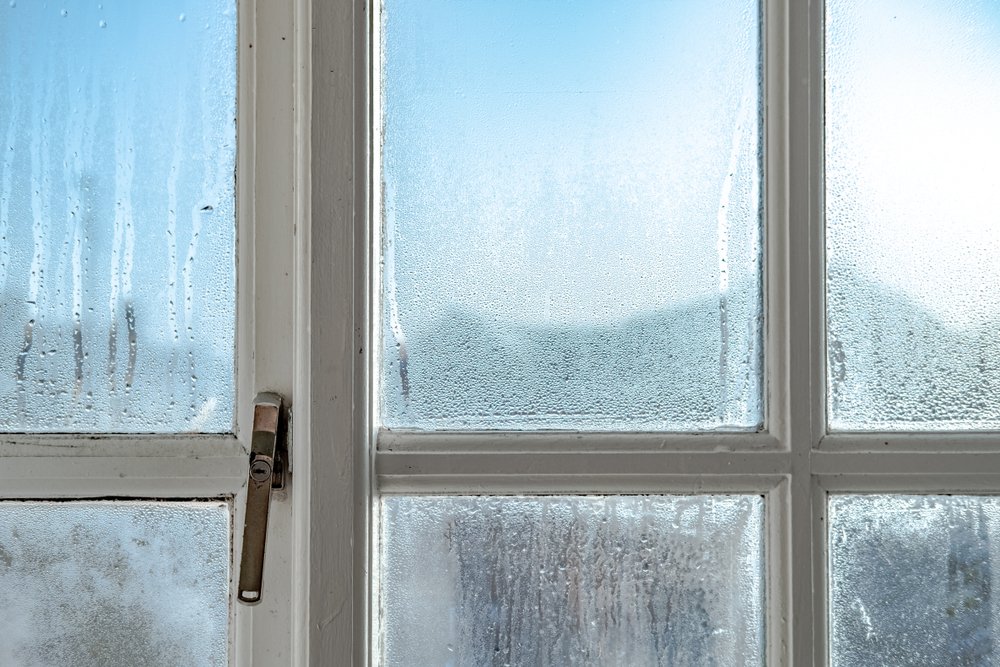
image - Your Windows/Insulation Are Insufficient

Windows play a vital role in retaining heat within your home. The higher the glazing, the better the insulation will be. If you have single glazed windows and condensation, that could be the reason why. More heat is lost through single glazing which means more cold air is let in.

When you have the heating on or begin to cook or take a shower, warm moisture is released into the air. When it comes into contact with cold surfaces like single glazed windows, water droplets form and condensation happens.

In the case of single glazing, there is more cold air being let in to mix with the hot air, resulting in a higher risk of condensation.

In addition, even if you have double-glazed windows, there’s still a chance the seal could be broken or the windows need replacing. Telltale signs are increased condensation and higher energy bills. If this is happening to you, it may be time to replace your windows.


Read Also:

  • Caution Signs: How to Recognize if You Have Mold in Your Home
  • Here are The Benefits of Installing Double Glazing Windows!
  • Why is There Condensation All Over My House Windows?
  • Energy Efficient Windows – What, How, and Why?

2. You Have a Leak in Your Roof

Another leading cause of condensation is a leaky roof. If you have a loose tile or a hole somewhere, it will let cold air in.

As heat from your house rises into the roof space and clashes with the cold air, it will cause condensation. It might not seem like a big deal to have condensation in your roof space, but it can cause major issues.

Firstly, any belongings you have stored in your roof space may get damp or covered in mold spores, ruining them as a consequence. The mold can penetrate the ceilings below the roof, causing unsightly patches and potential health issues.

In addition, the wooden structure of the roof may become damaged as a result of increased water moisture, and this can cause deep-seated structural issues that are costly to fix. You may also hear scratching within your roof space as small animals find their way in through an opening.

For these reasons, it’s essential you check your roof regularly and inspect the tiles, making to fix and replace any tiles as necessary.

3. You Don’t Have Proper Ventilation

The third and most likely reason you have condensation in your house is that you don’t have adequate ventilation.

This could be because you don’t open windows every day, it could be because you don’t have extractor fans in your kitchen and bathroom, or it could be because you don’t have vents on your roof.

Inadequate ventilation is an easy fix – make sure you open your windows every day, even if it’s just for five minutes, install and switch on extractor fans in high humidity rooms, and buy proper roof vents (online stores like ERoofing sell them).

By doing all of these steps, you’ll be able to maintain a fresh airflow in your home and reduce condensation as a consequence.

Summary

Condensation isn’t the end of the world and is an easy problem to prevent and fix, but if you find you can’t identify the source of the issue is persistent, make sure you get a professional survey done.

Total
4
Shares
Share 0
Tweet 0
Pin it 4
Share 0
Share 0
Previous Article
featured image - Home Listing Fees and Other Selling Costs You Need to Know

Home Listing Fees and Other Selling Costs You Need to Know

  • Perla Irish
  • October 19, 2021
View Post
Next Article
featured image - How to Winter-Proof Your Home Ahead of Time

How to Winter-Proof Your Home Ahead of Time

  • Perla Irish
  • October 19, 2021
View Post

Subscribe

Subscribe now to our newsletter

You May Also Like
Wall-mounted ductless mini split air conditioner in a modern living room
View Post

Maintenance Practices That Extend Ductless Heating and Air System Life

  • February 14, 2026
Ceiling HVAC air vents integrated into a quiet residential living room
View Post

How HVAC Systems Actually Work (and Why They Often Feel Inefficient at Home)

  • February 4, 2026
Wall-mounted home thermostat and HVAC air vent in a quiet residential hallway
View Post

Understanding Home HVAC Systems: What Actually Matters, What Doesn’t, and When to Act

  • February 4, 2026
Air conditioner integrated into a calm residential living space during daytime
View Post

Why Your Air Conditioner Is Not Blowing Cold Air (And What That Usually Means)

  • January 31, 2026
Wall-mounted air conditioner in a quiet living room during daytime
View Post

Leaving the Air Conditioner On All Day: When It Helps, When It Quietly Backfires

  • January 31, 2026
Shower water flow in a bathroom affected by hard water
View Post

How to Soften Hard Water for Showering and Bathing

  • January 19, 2026
Soft daylight showing mild hard water residue on a residential window
View Post

A Calmer Way to Deal With Hard Water Stains on Windows

  • January 2, 2026
Chrome and nickel finishes shown in real home lighting, highlighting reflective chrome and softer nickel surfaces
View Post

Chrome vs. Nickel Finishes: What Works Best in Real Homes

  • December 31, 2025
  • About
  • Privacy Policy
  • Terms of Use
  • Disclosure
  • Sitemap
  • Contact Us

Input your search keywords and press Enter.