Table of Contents Show
In the UK most of the residential houses were built before the 1970s, during that time only single glazed windows were used and those houses are still in use.
The energy standards were not so high back then and people were not as concerned about the heat loss. The double glazing technology also was not that advanced in those days.
Nowadays, the building standards are improved and the minimum requirement for the window’s U-value is 1.6 W while the single glazing U-Value is only 5.8 W/m²K.
What is Single Glazing?
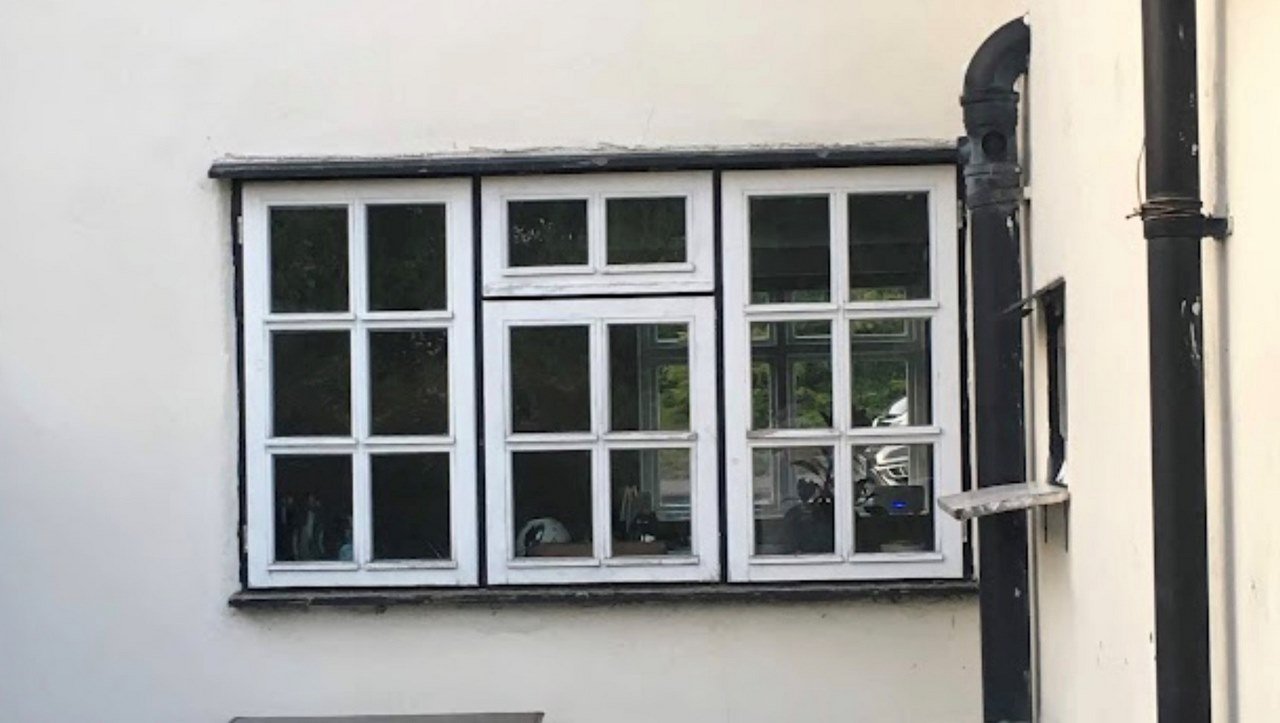
Single glazing is a window that has only one pane of glass. This type of glazing is mostly used in original timber sash and casement windows in old cottages from the Victorian, Georgina, and Edwardian eras.
New timber windows are mostly made with double glazing. Single glazing is only used in glass replacements.
Read Also:
Disadvantages of Single Glazed Windows
Single glazed windows have many disadvantages, rating from low thermal efficiency to being ineffective in keeping the noise. Homeowners with single-glazed windows usually pay more for their energy bills.
Single glazing reduces external noise only by 9-12 dB while double-glazed units in timber frames can reduce it by 27-30 dB. To put this in perspective, with single glazed windows, you would be able to hear a lawnmower from about 40 meters away, while with double glazed windows, the noise would only be audible from about 10 meters away.
This type of glazing is not stopping UV rays to enter your house which can damage your floors, furniture, and even artwork.
Condensation on your windows is also common in single glazing. In the winter, when the temperature outside is lower than the dew point, water vapor in the air will turn into water droplets on cold surfaces. This condensation is damaging seals and glazing bars.
How Make Single-Glazed Windows More Energy Efficient?

There are many ways how to improve the efficiency of single-glazed windows. Some are more effective than others, some requiring more investment while others can be done on a budget. There couple of insulation methods you can even do yourself.
Retrofit Double Glazing
Replacing glass is one of the most effective ways. You can upgrade your single glazing to vacuum double glazing low-emissivity (Low-E) glass but keep the existing frames.
Retrofitting requires professional carpentry skills as you will need to take the old glass out and fit the new double-glazed unit. This job should be done by a professional sash windows specialist to avoid any problems. If the glass is not fitted correctly, it can crack or break and will not achieve the desired insulation performance.
This method also helps to preserve the original timber frame and character of your house. Double glazing retrofitting is the perfect solution for Grade 2 listed buildings and buildings in a conservation area.
Install Secondary Glazing
Secondary glazing for single glazed sash windows is the most popular option to tackle single glazing issues.
The reason for this is the wide range of secondary glazing systems that are on the market. You can find an option to suit any window, from vertical sliding to top hung, and for any budget. There are also some DIY options available at very low prices.
The cost of secondary glazing starts from around £30 per square meter and goes up to around £60-150 per m² for more bespoke designs. Secondary glazing can be fitted to both sash and casement windows.
There are many companies that offer supply and install secondary glazing services. One of the main benefits of secondary glazing is that it does not require permission from your local authority if the building is listed.
Replace Windows with New Double-Glazed Sashes
Complete window replacement is an effective and the most expensive way to achieve energy efficiency. Unlike retrofitting you will need to replace both the glass and the frame. The cost of new double-glazed sash windows starts from around £1500 per window.
This option is also the most disruptive as you will need to remove the old windows and frames and then install the new frame. The whole process usually takes around 3-5 hours per window. The lead time to manufacture and deliver new timber sash windows can be up to 8 weeks. New windows come with draught excluders preinstalled which will make your windows more airtight.
Use Window Shutters and Heavy Curtains
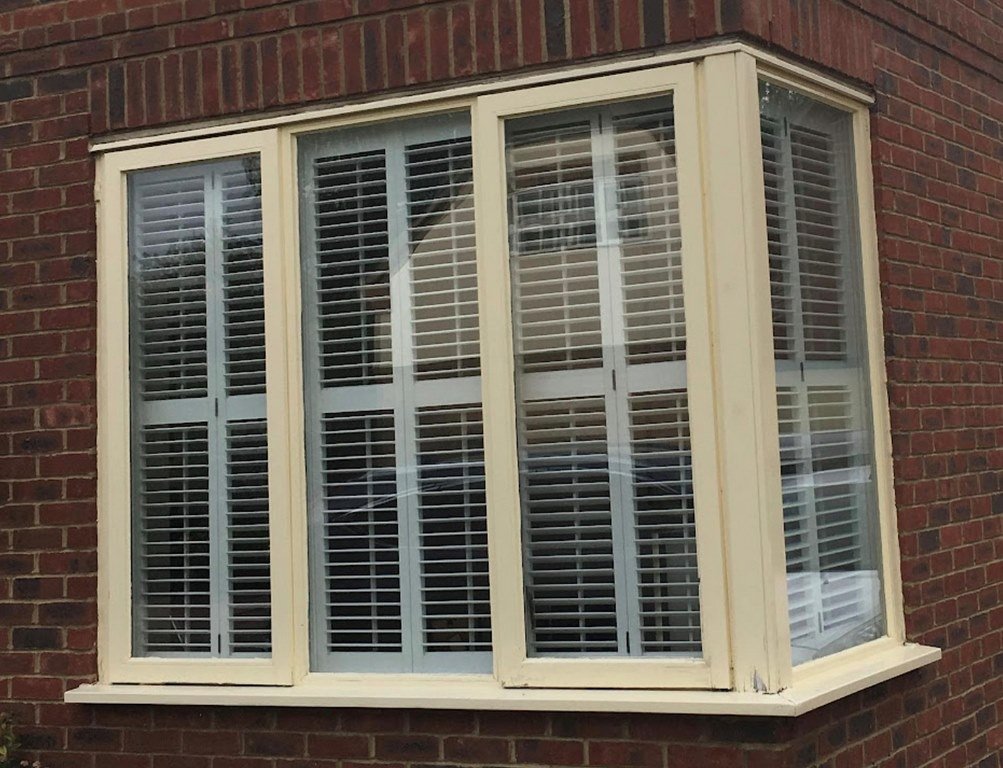
You will be surprised but if you have internal windows shutters panels in your house they can make a big difference in keeping the heat in at night.
The combined U-value of internal window shutters with single glazing and curtains is ranging from 1.2 to 1.6 W/m²K. Which is equivalent to the efficiency of new double-glazed sash windows. So if you have window shutters in your house make sure to use them at night to prevent heat loss.
The heavy curtains can also keep your home warmer.
Draught-Proof Sash Windows
Older windows, especially sash windows, are often draughty. You can prevent some of the heat loss by draught-proofing your sash windows.