Table of Contents Show
The roof is the sole protector of the house. That’s what makes it the most important element of any house, too. After all, without the roof, it would be too cold or too hot, and there’d be nothing to stop the weather from entering your home.

Tips to Prevent Roof Leaks and Water Damage
Your home simply wouldn’t be a true home. That being said, the roof needs to be taken care of, too. Leaks and water damage can often cause it not to do its job well, which just causes multiple issues you need to fix. This is why you need to regularly maintain your roof and make sure everything’s okay. Here’s how.
Read Also:
Regularly Inspect Your Roof
Regular inspections are the solution to the problem before it even occurs. It’s always easier to prevent something rather than to deal with the consequences when it happens. That’s why it’s important to keep an eye on your roof and track the changes. As well as monthly checkups, you should also make sure to go up there every time after it rains or snows.
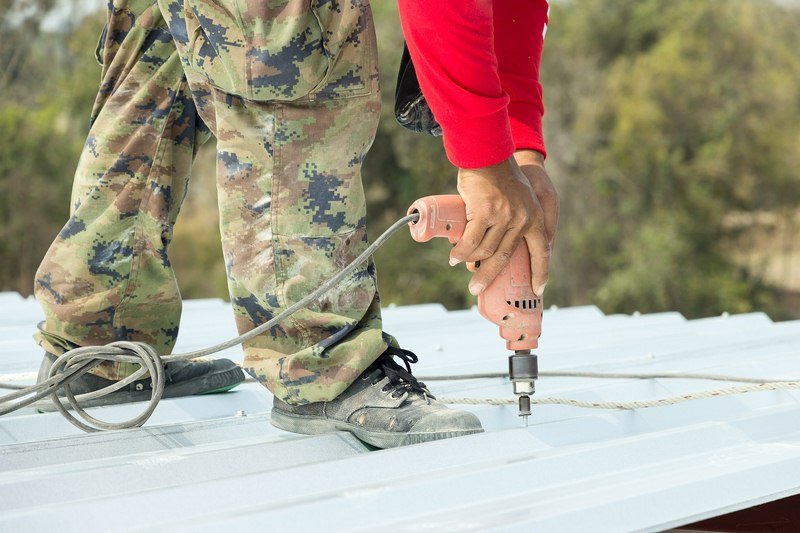
The older your roof is, the more important it is not to skip regular inspections. As soon as you notice any change or think your roof won’t hold out another weather change, figure out a way how to save it from further damage. You can always call up a professional and ask for their advice.
Keep Track of Your Shingles
Shingles are the essential part of any roof but sometimes they can go missing. This can happen due to strong weather conditions or some other damage. You should keep track of your shingles and make sure they aren’t missing. It’s still a problem even if they’re cracked or bent, as it provides the perfect opportunity for leaks.
Thankfully, this is the most easily solvable problem you can have with your roof. All you have to do is replace the shingles and go on with your life. Of course, that doesn’t mean you should completely leave everything up to chance. Always make sure your shingles have been put up correctly and that they’re in prime condition.
Don’t Forget About the Attic

We’ve covered the topic of regular roof inspections, but you need to remember to check the attic too. This is because of the common misconception that all leaks are caused by something being wrong with the roof. In fact, it’s fairly common that the leaks actually come from the attic. That’s why you shouldn’t skip checking it out if you notice anything out of the ordinary.
You should keep an eye out for mold and lack of ventilation, as well as black rings or rust under the nails. These are the first signs that it’s your attic you need to pay attention to, not your roof. As far as maintenance and prevention are concerned, always make sure to inspect and clean your gutters. If they’re in order, you’re less likely to have a problem.
Turn to Lead Flashing
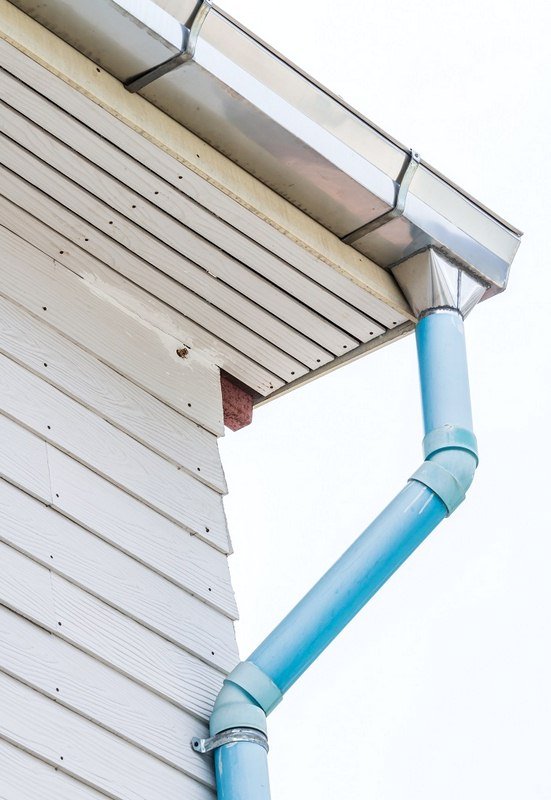
Lead flashing is another name for waterproofing your roof. Basically, thin materials are implemented into the overall structure of your roof, making it easy to stop leaks and water damage. The most common materials used in roof flashing are copper and lead. What works best for you depends on the type of roof you have and where you live.
If you ask Australians, proper and high-quality lead flashings in Sydney are always the best option. This is because lead is by far more durable than any other material and will, therefore, last longer. What’s more, it’s also extremely eco-friendly as lead has the lowest carbon footprint of all materials.
Consider Where You Plant Your Trees
Although plants and trees are a welcome sight to any building or house, they should be kept away from the construction. Yes, they have many health benefits, it feels much better when your home is surrounded by nature, and it looks more aesthetically pleasing, but too many trees and plants can damage your roof.
It’s simple, they attract moss and algae. They can also cause the roof to mold or scratch its surface in windy circumstances. For these reasons, your trees should be at a safe distance from your roof. It’ll help maintain it and decrease chances of water damage or leaks. After all, most people aren’t even aware how big of an influence their plants can have.
Conclusion
In conclusion, preventing roof leaks and water damage is a must. It prolongs your roof’s lifespan and keeps the rest of the house intact. The tips above will surely help you get the best out of your roof and home. We’re confident no harm will come to you if you take the issue seriously and do everything in your power to protect the roof.
Author Bio
Liam Smith is a young and aspiring Australian blogger with a passion for everything related to home improvement, design and style. He has a B.Sc. in Interior design and is an avid reader. Twitter | Linkedin