Table of Contents Show
A house’s façade is usually what comes to mind first when talking about a home’s curb appeal. Back in the day, people looking to buy a house would just drive along streets and make a judgment based on the property’s appeal from the curbside or roadside, hence the term.

Now curb appeal includes anything that refers to the general attractiveness of the house, with the exterior elements as the most significant contributing factor.
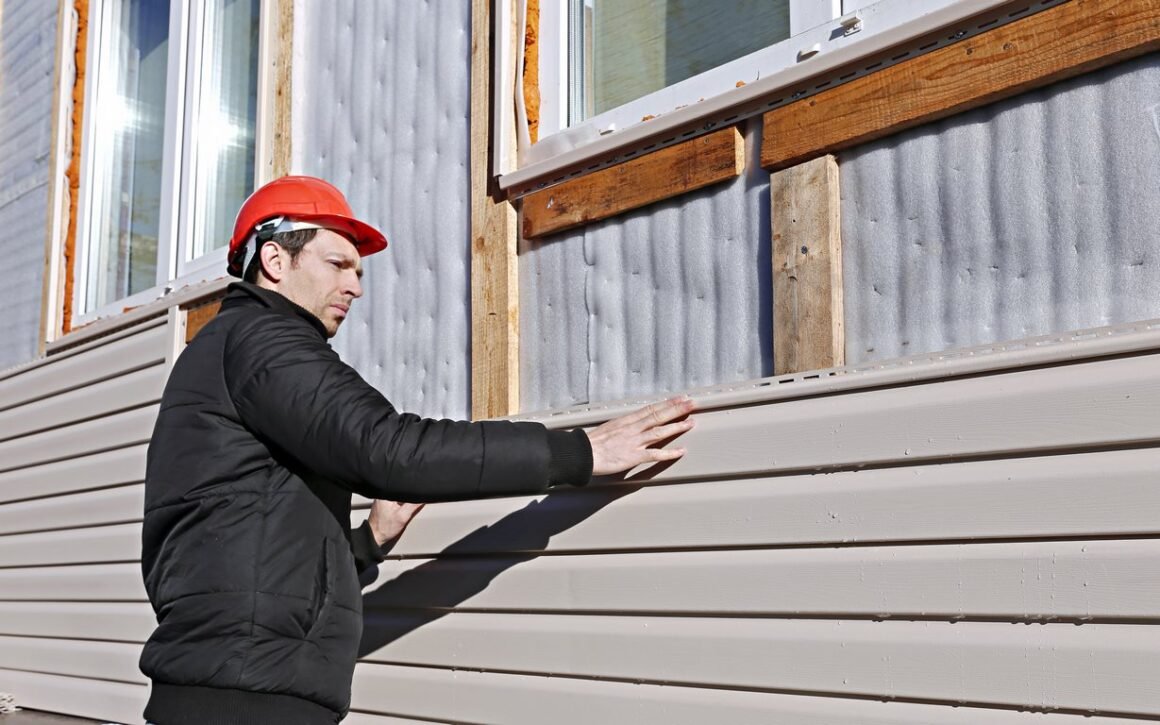
You may be wondering what recladding has to do with curb appeal or façade exterior. Essentially, they’re very much related; the cladding system refers to the use of a material that protects and shields the building’s structure from fire, pests, moisture, rain, sun, wind, extreme temperatures, and noise.
Simply put, your exterior cladding system serves as an outer weatherproof layer that tolerates and resists external elements that could potentially threaten your home’s structural integrity.
Does Your Home Need Recladding? These Signs Should Tell You So
If your house has been around for years or decades, it’s highly possible that this weatherproof layer is starting to show signs of deterioration. If so, it might be high time to consider recladding your exterior to update its protection.
Aside from the much-needed restoration safety-wise, you can also expect the process to revamp your home’s façade.
House recladding is a complex process that requires proper planning and preparation. The first step is to recognize the warning signs that you actually need one. Below you’ll find three telltale signs that your property is in desperate need of a cladding system overhaul.
1. Leaks And Water Stains
A leaky home often calls for immediate recladding, but before doing so, make sure you have a thorough check of what’s causing the leak. This is critical to address the underlying condition that’s causing the damage to the entire structural façade.
It’ll take an expert to identify the root problem, but you can quickly tell when water is leaking from a specific part of the house.
Sometimes, leaks won’t immediately manifest, but it doesn’t mean there’s no warning sign of recladding. Looking more closely might lead you to discover that water has started entering the building’s siding.
The most obvious sign would be a water runoff or stains that appear discolored and streaked on the siding.
Read Also:
2. Mold
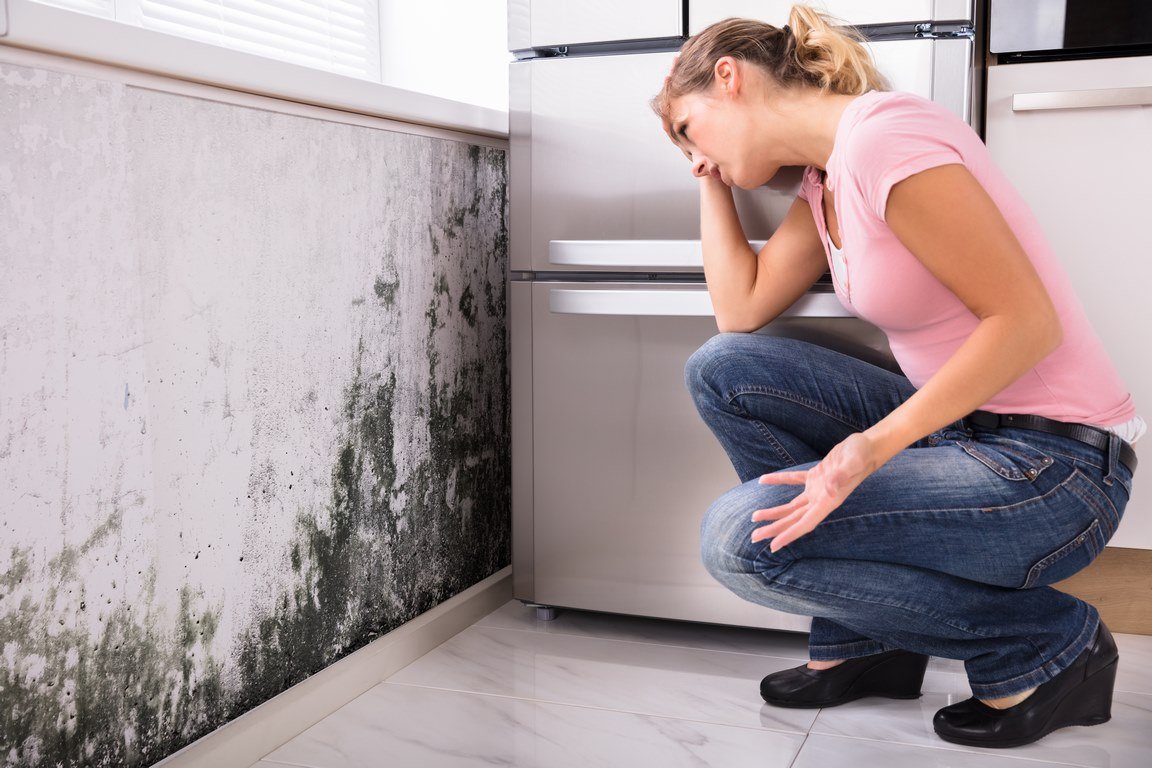
Mold is almost always an indication of water damage. Sometimes, you can see it spreading on different parts of the exterior, such as the corners and seams of your siding. You can tell there’s already a spread when you see white, yellow, brown, black, or green spots, which most likely indicates that water has already seeped through the seal.
But it also happens that mold spreads discreetly. You won’t really know if the fungus is already residing in your walls until the space starts to acquire a musty smell.
Watch out for such a smell because it could mean that mold spores are already floating through the air, which could make you sick if you inhale them. Also, take extra note of mold on interior drywall, which might already be a sign of a more severe problem.
As a precaution, it would be helpful to take a peek inside the walls to check for mold growth. Aside from mold, mildew and other fungi can also thrive between the layers of your building’s structural design. This is often an indication that your home needs recladding as soon as possible.
3. Cracks
Cracks are often the building or foundation’s way of saying it can’t take the stress anymore. Consider it a distress call from your humble abode that signals the need for immediate recladding.
However, not all cracks indicate an urgent solution. It’s best to seek professional inspection or advice so you’ll know if what you have in your walls doesn’t necessarily suggest a serious problem.
Certain construction materials such as stucco and concrete tend to develop cracks that look the same as dried-out mud, which is relatively normal. On the flip side, vertical and wide cracks that run up masonry or concrete columns are the kind of crack you should be worried about.
You also need to watch out for cracks near any corner of the building because that’s a warning sign that the structural integrity of your property is already deteriorating.
Conclusion
Home recladding isn’t usually the first thing that comes to a homeowner’s mind when thinking of revamping their house’s façade. But it’s definitely something worth considering, especially if it means enhancing your property’s protection and structural integrity.
Watch out for the warning signs mentioned above so you can make a more informed decision on whether or not it’s time to update your cladding system. Doing so can go a long way in ensuring your humble abode will maintain its sturdiness and foundational stability.