Table of Contents Show
Aggregates are a term that not many people know about. They may see the word and its meaning, but they often do not know that it is also used for construction materials.
An aggregate is simply a material that is a collection of things formed into one large entity. It is mainly used in the construction industry, and more specifically, the laying of groundwork.
There are many different aggregates available in the construction market. Local aggregate suppliers may offer you many types of aggregates, so you must know how to differentiate them.
Explore the various types of aggregates and learn how each one is best used. Not all of them are equal, and they serve different purposes. Read this article before you decide on what you want for the groundwork of your next project.
Crushed Concrete
Crushed concrete is a recycled aggregate made out of demolished buildings and excesses from previous construction projects. This aggregate is best used to fill something up, such as a trench and over-site.
Demolition and construction projects generate a lot of wasted construction material. It is a perfect aggregate that makes use of this waste and transforms it into something new.
Sand
Everyone knows sand and most likely has interacted with it. The earth naturally generates sand, so there is no shortage of it. It is an aggregate material made up of small quartz. This aggregate is best used in brick manufacturing and landscaping.
Sand also has many natural uses, such as water filtration and agriculture if you want to make a pond or garden area. Lastly, it can be added to your concrete mixture for added strength and texture as well. It is one of the most versatile aggregates in the construction industry, along with concrete.
RELATED:
Gravel
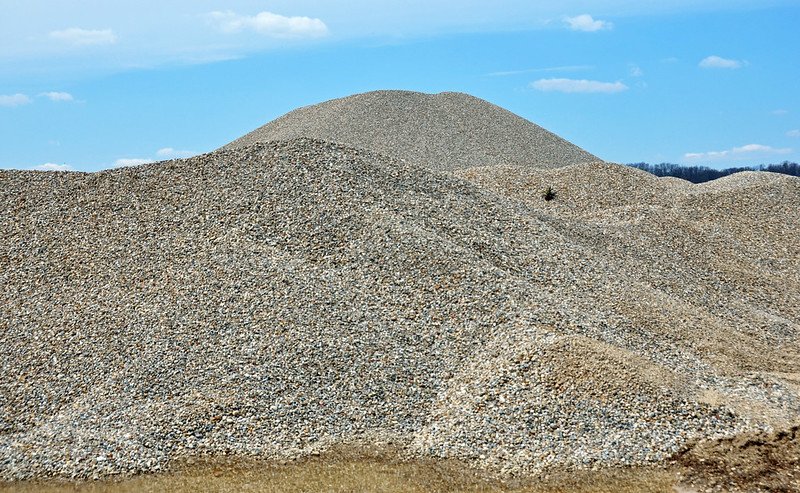
Gravel is another naturally forming construction aggregate, though it can also be made industrially. Aggregate gravel is a collection of rocks or small stones. It is naturally found underneath riverbeds and streams.
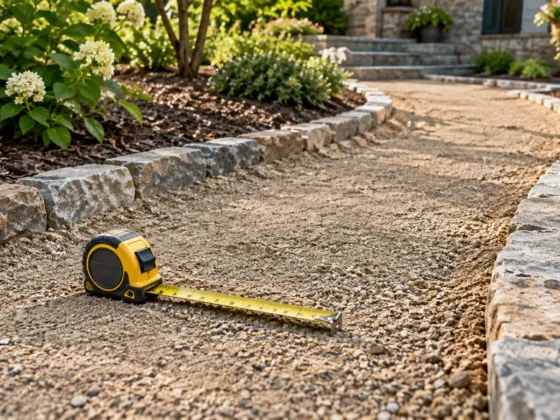
Construction-grade gravel can be created by crushing large stones into a smaller formation of rocks. Gravel is best used to create pathways and driveways. It is ideal for providing traction so that people or vehicles do not slip or slide around. It is also popularly used to decorate gardens.
Type 1 MOT
Type 1 MOT is a synthetic aggregate sub-base approved by the Ministry of Transport. It is composed of dense rocks such as granite and gritstone. Its usage is primarily for sub-basing, but it can also be used to fill sites. Aggregate suppliers Basildon may offer you this aggregate.
Topsoil
This aggregate is composed of rich soil that has been removed from any contaminants. Topsoil is created naturally, though nature takes many long years to develop this. It is used only for gardens and people who want healthy plants.
There is nothing better than topsoil for providing essential nutrients for plant life. Topsoil is great for garden construction because it increases the amount of water and organic matter the garden can hold.
FAQs
The main types of aggregates used in construction are coarse aggregates, fine aggregates, and recycled aggregates. Coarse aggregates include gravel and crushed stone, while fine aggregates consist of sand and silt. Recycled aggregates are made from reprocessed materials such as crushed concrete and asphalt.
Choosing the right aggregate depends on various factors including the type of construction, the required strength, and the environmental conditions. For example, coarse aggregates are typically used for concrete and road bases, while fine aggregates are essential for mortar and plaster. It’s important to consult with a construction professional to determine the best option for your specific project.
Yes, aggregates can be used for various applications beyond construction. They are often used in landscaping for decorative purposes, in drainage systems to improve water flow, and as fill material in earthworks. Additionally, certain types of aggregates can be used in the production of asphalt and concrete for various civil engineering projects.