Table of Contents Show
The mall. Our best friend’s house. Even our cozy couch in the living room. These are our favorite places to hang out when we have spare time on our hands, so where do the mildewy bacteria particles go to relax?
Chances are this fungus enjoys our comfy homes as much as we do without us even being aware. Household mold may not seem as pesky as the little critters hiding in the crevices of our house foundations, but in the long run, we should be more concerned with its extensive effects.
Read Also:
What is Mold?
So what is mold? Yes, we have all seen the green fuzzy patches that grow on the forgotten leftovers in the back of the refrigerator, but household mold differs.
Many different types of mildew can thrive indoors, those of which include Cladosporium, Penicillium, Alternaria, and Aspergillus. This fungus may appear in damp, moist areas which are often dark and humid such as the basement or cellar.
What Does Mold Look Like?
Mold reproduces by non-visible spores that travel through the air, only landing once they find an environment that is not too harsh and dry, allowing them to spread and grow into the mold we can see with our naked eyes.
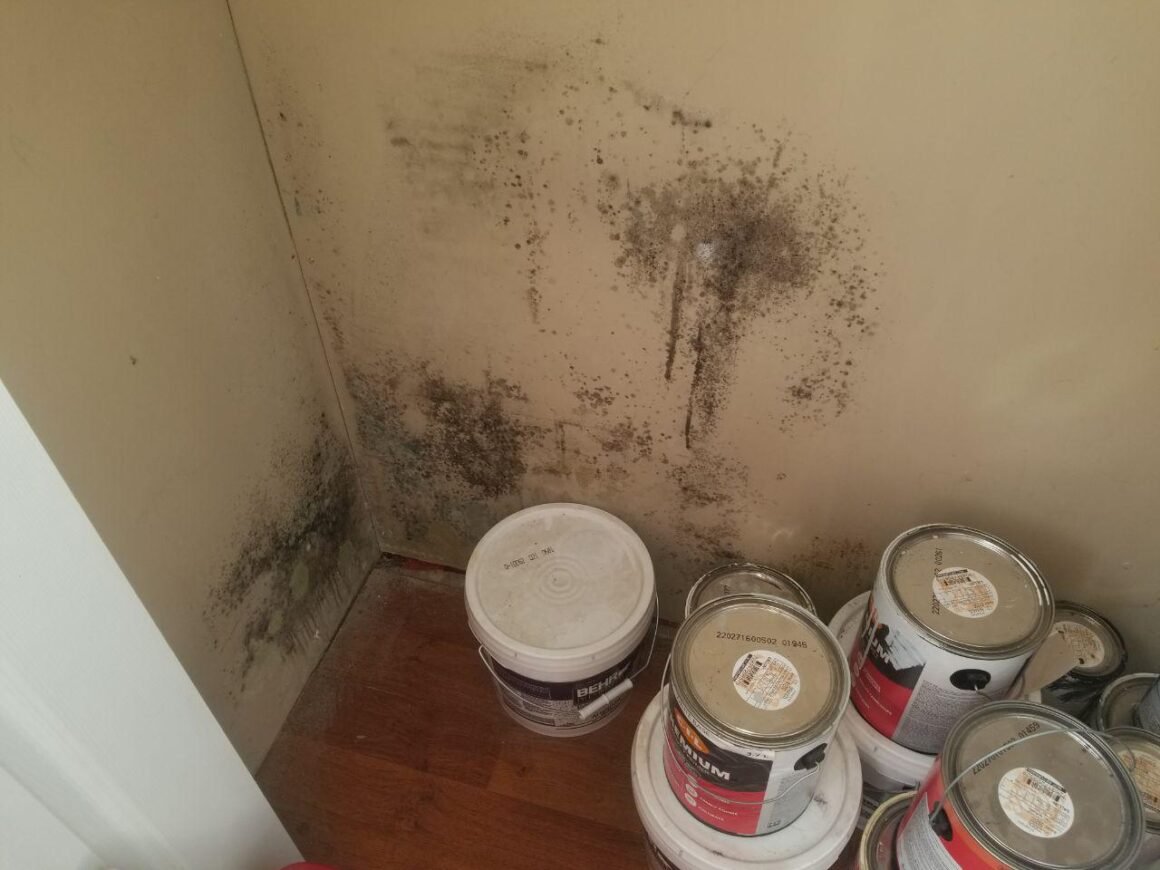
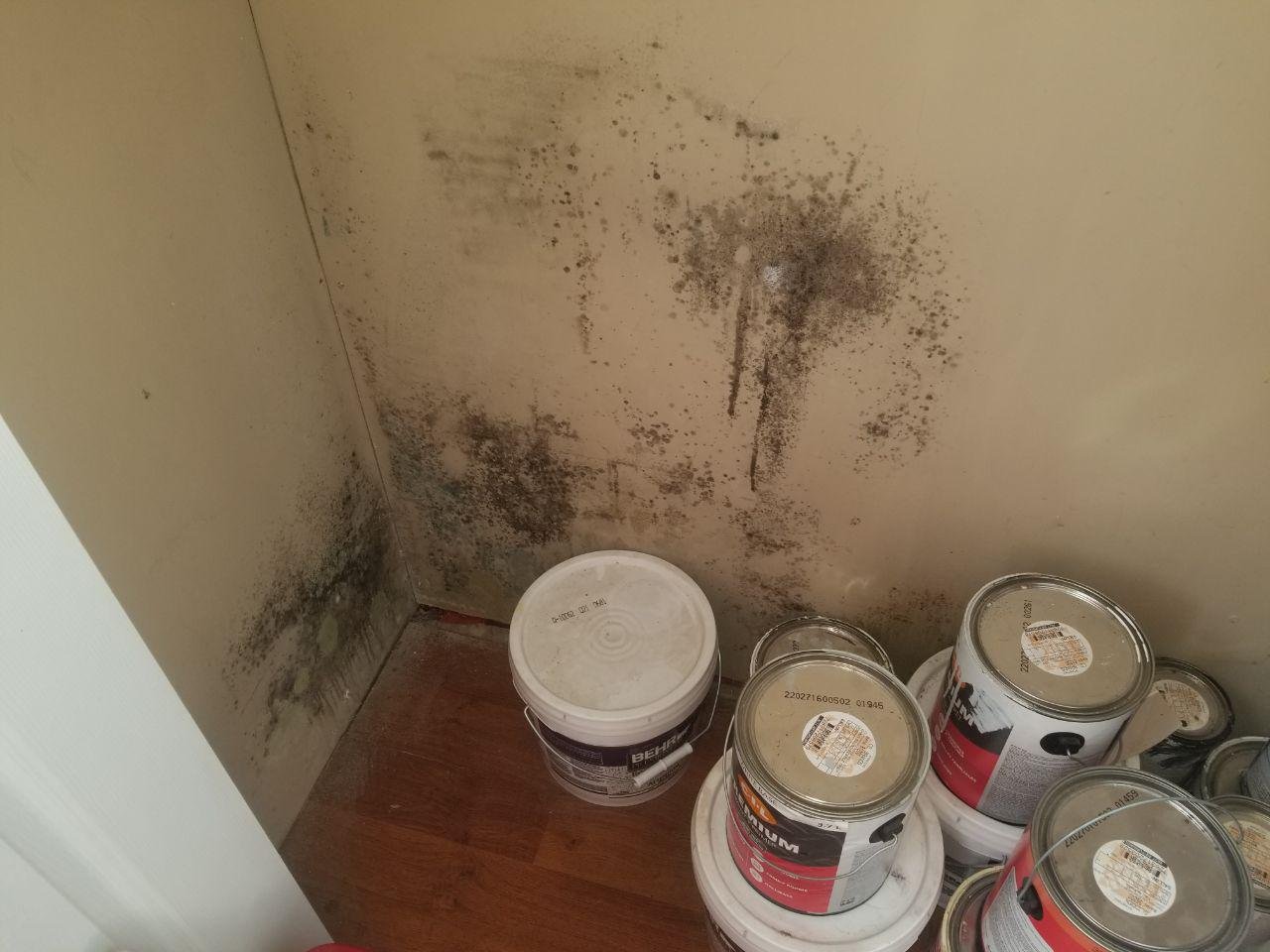
Most indoor mold is blackish-green in color and most often lacks a smell. Outdoor mold spores often travel inside houses through open windows or doors, although they can also cling upon carriers such as pets, shoes, and even our clothes.
Once the spores are inside, they can travel through the air waiting for the ideal environment to reveal itself.
What are Common Places Where Mold Grows?
Unlike you and I, household mold’s favorite place to be may not be our cozy bed, but rather a moist condensation:
Wet and damp bathroom stalls and bathtubs are ideal areas for mildew to flourish and spread.
The most common places to find mold within the house include underneath the kitchen and bathroom sinks, underneath or behind refrigerators, behind walls that house plumbing, stacks of damp or wet newspaper or cardboard boxes, and around air-conditioning units.
Mold in these areas can have many different colors including brown, green, and black. They can sometimes appear as spots or large patches and contain a musty odor. Mold growth may also be hidden underneath carpeting, on the backside of wallpaper, and behind drywall or wall paneling.
What Health Effects are Caused by Mold?
Just as a mouse or a bug in our homes can give us the creepy crawlies, mold has its repercussions as well. Household members that are sensitive in the allergy department can suffer from the mold within our homes.
Your family members may experience an allergic reaction of cold-like symptoms such as sneezing, runny nose, coughing, wheezing as well as rashes and watery-itchy eyes. These allergic reactions may occur immediately or slowly develop over time after exposure to the bacteria.
Both the growing patches of mold as well as the spores themselves can lead to allergy symptoms. Those who already suffer from asthma will experience a higher degree of reaction which can cause difficulty breathing, high fevers, and lung infections.
Treating people who have come in contact with the mold and experienced an allergic reaction will be treated within the hospital with an antifungal drug to improve breathing problems and prevent the slowing of circulation.
How to Prevent Mold Growth?
To reduce the chances of household mold, we must be aware to keep the moisture in these areas to a minimum. By doing so, we can prevent the growth and spread of mold patches on household surfaces.
However, it is impossible to eliminate mold spores within a household environment, but without the moisture to allow the bacteria to flourish, it will not amount to mold spots.
- Adding insulation in and around cold areas such as windows and doors can help prevent condensation build-up, as well as being sure to use bathroom fans or open windows in a bathroom to encourage air circulation.
- Using an air dehumidifier during humid weather can prevent potential moisture buildup within the air and on damp surfaces.
- As well as checking on water leaks in plumbing and closed structures will need to be repaired immediately to avoid mold spores and patch build up.
How to Remove Mold Safely?
Depending on the depth of the problem, mold cleaning procedures can vary on tools and skills used as well as time taken to clean up the mess.
Large areas of mold on certain surfaces may require help from a professional skilled in mold removal to ensure that all mold is removed and no health issues will continue to progress.
Hard surfaces such as walls and ceilings are vitally easy to clean and can be done by the house owner. Using detergent and warm water to scrub aggressively at the patches will do the trick as long as the surface is dried when finished.
On absorbent materials such as cloth and carpets, mold is much harder to dismiss. In some cases, a liquid solution of diluted chlorine bleach can remove the mold, although in most cases the soft surfaces will need to be removed completely from the home and eliminated.
No matter what type of surface you are attempting to clean of fungus, rubber gloves must be worn to prevent further health issues as well as the spreading of spores.
As cleanup is taking place, professionals like Mold Busters from Hamilton will insist on keeping a sample of the mold to be sent away for testing to ensure that no one in the house is in more danger than a local hospital can attend to.
Even though we never talk about the effects and long term issues caused by household mold, we must be aware of the bacteria that are taking up room in our favorite hangout spots.