Table of Contents Show
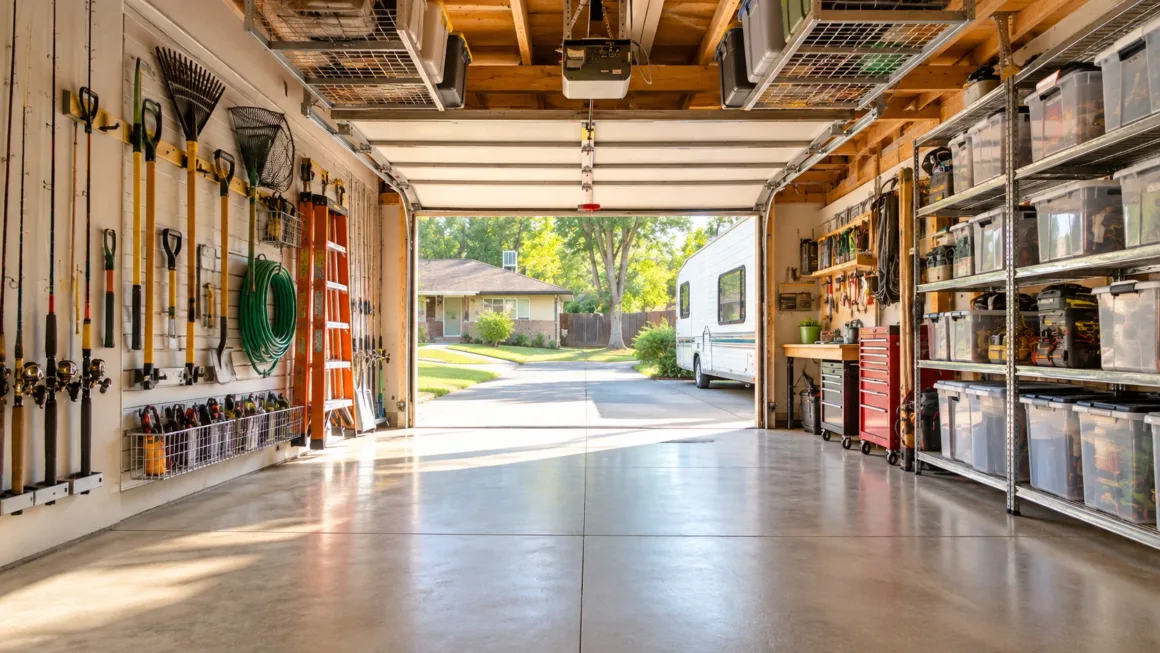
Garages in modern homes turn into residential dumping grounds. Holiday decorations, forgotten project materials, lawn equipment, and household overflow displace vehicles, leaving floor space impassable. Transforming a cluttered garage requires a methodical spatial plan rather than expensive storage gadgets. Establishing functional zones, maximizing vertical wall framing, and enforcing strict disposal standards reclaims usable square footage while protecting vehicle access.
Reclaiming an overcrowded garage demands clear steps to sort items, manage environmental hazards, and anchor heavy storage systems into structural studs. Whether organizing a standard single-car layout or an expansive three-bay workshop, applying field-tested mechanical standards creates a clean, durable space that resists clutter accumulation over time.
Quick Takeaway: Successful garage organization relies on structural wall framing, ceiling joist load distribution, and clear floor clearance. Anchor heavy shelving into wall studs, maintain a 3-foot perimeter around water heaters, and isolate hazardous chemical waste to build a safe, functional workspace.
1. Map Workable Zones and Vehicle Clearance Ratios
Before moving a single storage box, measure total floor area and define operational zones. A standard two-car garage measures 20 feet by 20 feet, yielding 400 square feet of space. Parking two full-sized vehicles consumes 280 square feet, leaving a 120-square-foot perimeter for storage racks, workbenches, and foot traffic.
Establish primary functional zones based on accessibility demands:
- Vehicle Clearance Zone: Maintain a minimum 36-inch aisle between car doors and side wall structures to allow unhindered entry and exit.
- Transition Zone: Reserve the floor space adjacent to the interior home entry door for high-frequency items including shoes, recycling bins, and pet supplies.
- Project Zone: Position heavy workbenches and power tool racks along rear walls where dedicated electrical circuits supply steady power. Homeowners planning dedicated craft or workshop layouts can adapt these craft room organization ideas to manage small hardware and specialized hand tools.
- Lawn and Garden Zone: Place mowers, string trimmers, and long-handled tools near main roll-up doors to prevent tracking dirt across internal walkways.
- Seasonal Storage Zone: Assign overhead ceiling racks and top wall shelves to holiday boxes, camping gear, and winter sports equipment.
2. Clear Out the Space Section by Section
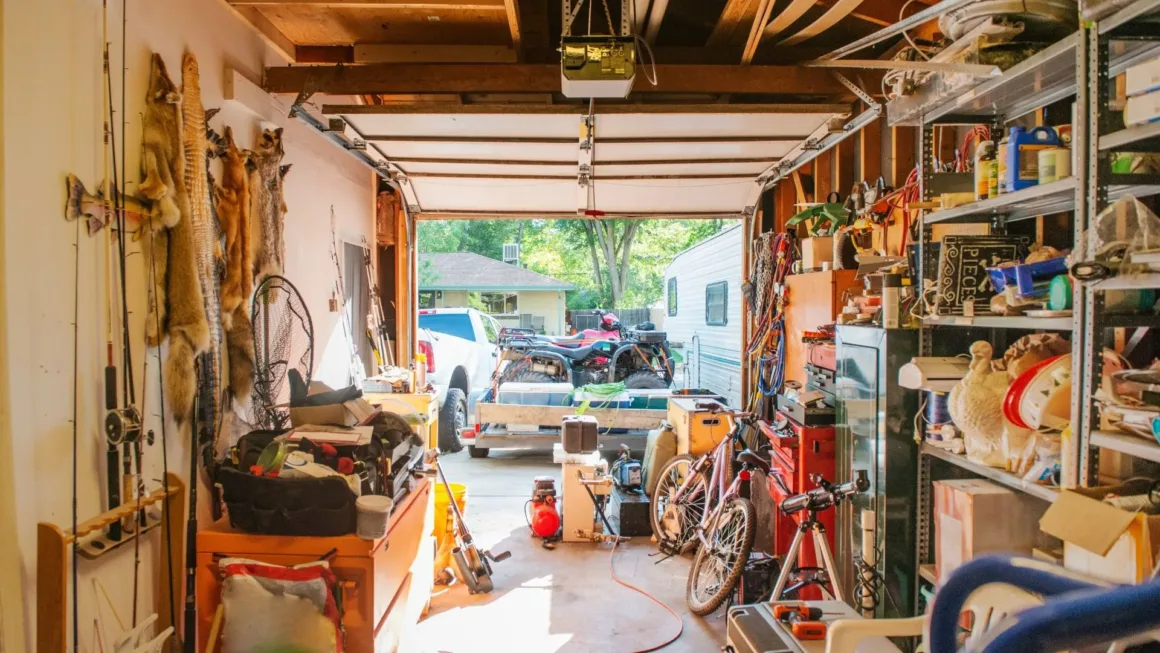
Attempting to sort items inside a crowded garage limits visibility and causes decision fatigue. Move contents out one section at a time onto a dry driveway or heavy tarp. Working wall-by-wall maintains clear working paths inside the space and provides distinct stopping points during multi-day projects.
Sort items into four primary categories:
- Keep: Items used within the past 12 months or active seasonal gear in working condition.
- Donate: Functional tools, appliances, and sports equipment that no longer serve household needs.
- Hazardous Waste: Solvents, oil-based paints, motor oil, and batteries requiring specialized municipal disposal.
- Junk Removal: Broken furniture, water-damaged drywall scraps, and bulky debris unsuitable for standard trash collection. If a purge yields heavy structural debris or unwanted furniture, hiring a professional junk removal company clears bulky waste without damaging vehicle finishes or driveway surfaces.
3. Isolate Hazardous Chemicals and Prevent Fire Risks
Garages act as primary catch-alls for hazardous chemical products. Storing volatile compounds near ignition sources creates severe fire risks and degrades indoor air quality. Review federal safety guidelines from the U.S. Environmental Protection Agency to identify local hazardous waste collection programs for paint thinners, pesticides, and automotive fluids.
Follow strict storage protocols for hazardous household materials:
- Propane Fuel Tanks: Never store 20-pound propane cylinders inside enclosed garage spaces or attached structure basements. Store propane tanks outdoors in well-ventilated, shaded locations to prevent gas accumulation.
- Lithium-Ion Batteries: Keep rechargeable power tool batteries in temperature-controlled zones away from direct sunlight, flammable liquids, and paper boxes.
- Combustible Liquids: Store gasoline and kerosene in UL-listed, color-coded safety cans elevated off raw concrete floors.
- Water Heater Clearance: Maintain a strict 36-inch clear radius around gas water heaters and furnace units to allow air circulation and prevent fire hazards.
4. Install Structural Wall Storage Systems
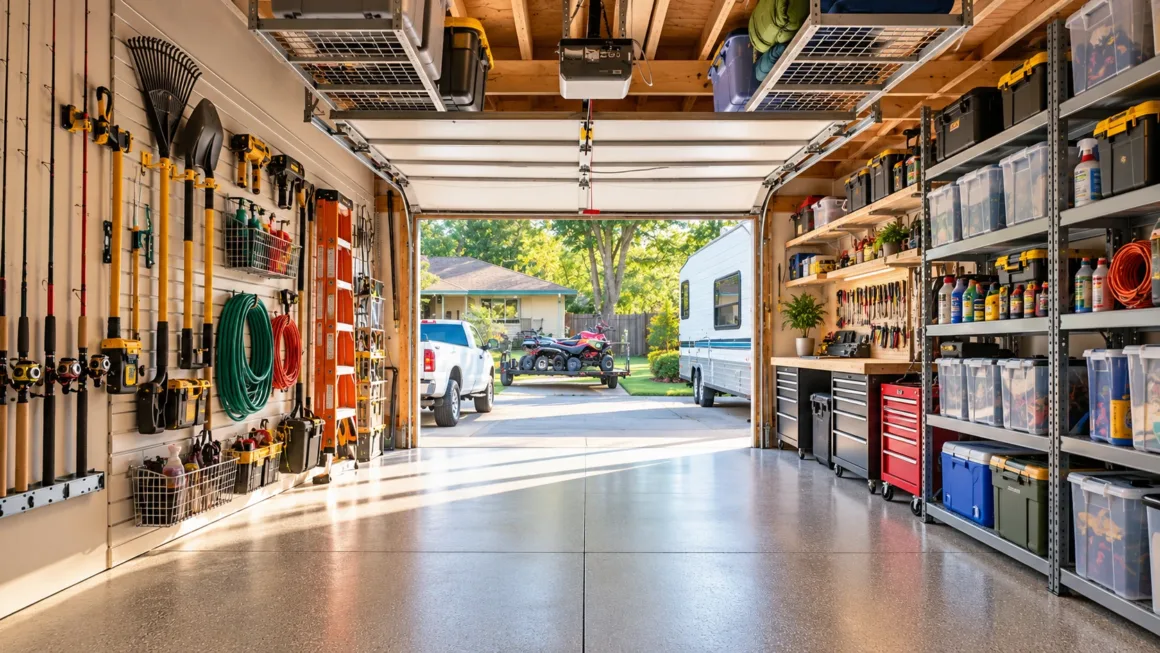
Floor space represents the most valuable real estate in any residential layout. Elevating storage onto wall framing opens floor space for vehicle parking and floor cleaning. Selecting the correct wall-mounted storage system depends on load requirements and wall construction types.
| Storage System Type | Weight Capacity (Per Linear Foot) | Primary Mounting Requirement | Ideal Usage Application |
|---|---|---|---|
| Heavy-Duty Slatwall | 50–75 lbs | Direct stud fastening with 2.5-inch wood screws | Modular hanging for power tools, garden hoses, and baskets |
| Steel Track Rail Systems | 75–100 lbs | Horizontal mounting across 16-inch stud centers | Heavy shovels, ladders, weed trimmers, and folding chairs |
| Industrial Wire Shelving | 150–300 lbs | Wall-stud anchors with diagonal support brackets | Stacked plastic totes, automotive fluids, and heavy toolboxes |
| French Cleat Walls | 100–150 lbs | 45-degree beveled hardwood strips anchored into studs | Custom woodworking tool holders and custom cabinet mounting |
Never rely on hollow drywall anchors for heavy wall storage. Drive heavy-duty lag screws straight into solid wood studs. Locate stud centers using a stud finder and verify spacing, which standard framing code dictates as 16 inches or 24 inches on center. When retrofitting tight spaces, homeowners can adapt small space storage hacks to optimize vertical gaps between wall studs.
5. Mount Heavy Equipment on Overhead Ceiling Racks
Overhead space provides ideal storage for bulky, low-frequency items like holiday decor, seasonal camping gear, and lawn umbrellas. Ceiling storage systems must anchor into ceiling joists to prevent catastrophic overhead falls.
Calculate ceiling rack installations using strict structural engineering rules:
- Determine Joist Direction: Ceiling joists run perpendicular to the direction of ceiling rack support beams. Anchor rack brackets across multiple joists to distribute load weight across the ceiling frame.
- Verify Load Limits: Most heavy-duty 4×8-foot overhead racks carry a maximum rating of 300 to 600 pounds. Factor in the weight of the metal rack itself when calculating total joist stress.
- Garage Door Clearance: Maintain a minimum 18-inch clearance between the top of an open garage door and the bottom of overhead storage racks. This prevents moving door panels from striking stored bins.
6. Protect Contents From Moisture, Concrete Dampness, and Pests
Unconditioned garage slabs absorb ground moisture through capillary action. Moisture migrates upward through porous concrete, causing cardboard boxes to soften, mold, and attract pest infestations like silverfish and rodents.
Replace cardboard boxes with heavy-duty, clear plastic storage totes equipped with gasketed lids. Clear plastic allows rapid inventory identification without opening lids, while rubber gaskets keep moisture and dust out. Elevate bottom storage shelves at least 6 inches above bare concrete slabs using plastic risers or adjustable steel shelf legs. Homeowners preparing items for long-term off-site placement can review our detailed guide on packing a storage unit to protect fabrics, wood furniture, and electronics from moisture damage.
Applying a penetrating concrete sealer or polyaspartic floor coating shields raw concrete against road salt, motor oil stains, and moisture vapor transmission, simplifying floor sweeping and washdowns.
7. Establish a Seasonal Maintenance Schedule
Maintaining an organized garage requires consistent habits and seasonal resets. Set calendar reminders at the start of spring and autumn to inspect wall racks, sweep floor perimeters, and clear door track sensors.
Enforce a strict one-in, one-out policy for new sports gear, lawn tools, and hardware purchases. Inspect garage door balance, lubricate track rollers, and clean weatherstripping along door bottoms every six months. Property owners seeking reliable door operation can review key garage door maintenance steps to prevent track misalignment and motor strain.
Frequently Asked Questions
How much weight can garage wall studs hold?
A standard 2×4 wall stud holds up to 80 to 100 pounds per lag screw fastener when weight pulls downward parallel to the wall face. Always anchor heavy shelves across multiple stud frames using heavy-duty lag bolts.
Why are cardboard boxes bad for garage storage?
Cardboard absorbs ambient moisture from air and concrete floors, causing boxes to weaken and collapse. Cardboard also serves as a food source for insects and rodents. Plastic totes with rubber seals offer superior protection.
Can I store a propane tank in my garage?
No. Storing propane cylinders indoors or inside attached garages violates fire codes. Leaking propane gas sinks to the floor and creates severe explosion risks near furnace pilots or water heater flames. Always store propane outdoors.
How far off the floor should garage shelving sit?
Set the lowest shelf at least 6 inches above the floor. Raising shelves off raw concrete prevents water damage during floor cleaning, protects items from ground moisture, and allows floor sweeping underneath.
Author & Editorial Review
Author: Perla Irish serves as Content Manager at DreamlandsDesign. She specializes in home improvement, renovation planning, remodeling, and practical property maintenance, creating well-researched, reader-friendly articles that translate complex building topics into clear, useful guidance.
Editorial Review: The DreamlandsDesign editorial team reviewed this article for factual accuracy, structural load standards, readability, and practical relevance. Every section was evaluated to ensure recommendations reflect real-world residential maintenance standards while meeting DreamlandsDesign’s editorial guidelines.