Table of Contents Show
A staggering 60 million consumers in the United States rely on septic systems. That translates to about one in every five US households.
One reason why septic systems are popular is that they often cost less to install than sewer lines. Experts also say that excellent systems can even withstand the heaviest storms.
By contrast, aging sewer pipes are prone to leaks that cause sanitary sewer overflows.
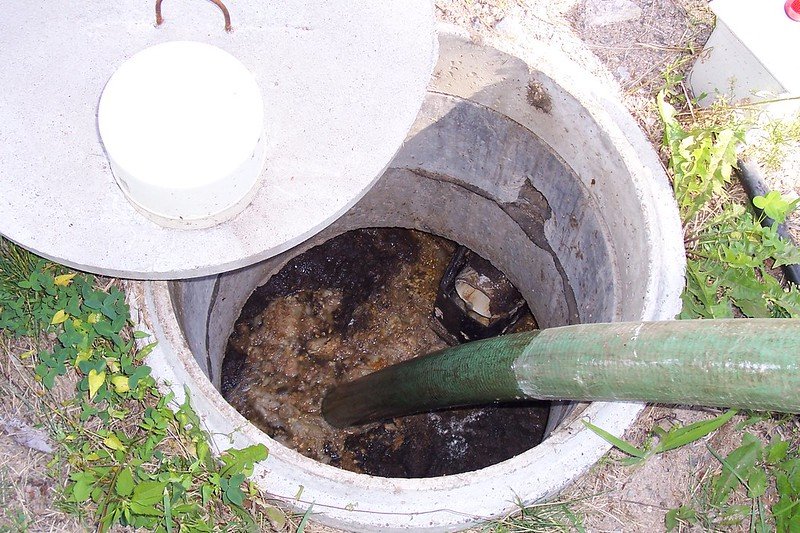
However, poor septic system installation and maintenance can still lead to overflows. That’s why property owners need to learn how often to pump septic tanks.
To that end, we created this guide detailing septic tank pumping schedules. Read on to discover when to get your system pumped, as well as the signs you need this service ASAP.
General Rule of Thumb on How Often to Pump Septic Systems
According to experts, septic tanks require pumping every three to five years. This helps facilitate faster and more effective removal of sludge and scum build-up. However, they also recommend a comprehensive septic system inspection once a year.
Signs You Need to Pump Your Septic Tank ASAP
The three to five-year mentioned above is only a guideline, which means you may have to pump yours sooner. Your household’s size plays a role here; the more members you have, the more waste you guys generate.
Having a smaller septic tank will also result in shorter periods between services.
With that said, be on the lookout for the following signs of an overflowing septic tank. If you notice any of them, it’s time to book plumbing services to get your system emptied.
1. Slow-Moving Drains All Over the House
If you only have one slow-moving drain, the issue is likely a clog in the drainpipe connected to that drain. Try using a plunger to dislodge the blockage, and then test that drain again.
If several drains take forever, though, your septic tank is likely full. You can confirm this with the help of your family members.
Have each member run taps or flush the toilet and ask them to monitor how fast or slow the water drains. If two or more of them report slow-moving water, take that as a sign you need to empty your septic tank.
2. Sewage or Wastewater Backs Up
You need to get your septic tank pumped if you experience multiple drain backups. Such incidents indicate that your tank can no longer accommodate new waste.
Please keep away from rising sewage or wastewater as they contain disease-causing microorganisms. Scientists say that at least 100,000 microorganisms are in one milliliter of sewage.
Many of these are harmful bacteria, viruses, and parasites.
Instead of handling those back-ups yourself, get in touch with a septic tank expert right away. The sooner you do, the sooner they can clean up the mess and pump your system.
Read Also:
3. The Stench of Rotten Eggs
Another sign that it’s time to google “septic tank cleaning near me” is if your house smells like sewer gases. Septic tank gases contain methane, carbon dioxide, ammonia, and hydrogen sulfide (H2S). These are the same gases produced by sewage in sewer lines.
Of those gases, H2S is the easiest to identify, as it smells like rotten eggs due to its sulfur content.
If your house stinks of sulfur, take that as a sign you need to pump your septic tank. This is especially true if the stench is most noticeable whenever you’re near drains.
If you use natural gas at home, please be aware that rotten egg smells also indicate a natural gas leak. Hissing or bubbling sounds that seem to come from a gas pipe are a strong indication of a natural gas leak.
In that case, turn off your gas valve, open a few windows, and leave your home as soon as possible. Get in touch with your natural gas provider and let them know that you may have a potential leak.
Gas leaks can cause explosions, so it’s best to vacate your home if you think it’s your gas and not your septic tank.
If it’s not your gas line, those foul smells are likely due to an overflowing septic system. Schedule your tank for pumping as soon as possible. Otherwise, your plumbing drains will fail, and you won’t be able to get rid of the rotten egg stench.
4. Moldy Odors
A full septic tank can send sewage and wastewater back into drains you rarely use. You might end up not noticing these backups right away, not until part of your home starts to smell moldy.
Molds can reproduce in your home if their humidity level is about 70% or higher.
5. Wet Patches of Soil In Your Yard
An ill-maintained septic system can develop leaks aside from overflowing. In either case, your tank can start to leach wastewater into the surrounding ground. If the soil on top or near the tank becomes mushy, that’s a sign you need to get the system pumped.
A leaking or overflowing septic tank can also make plants flourish and thrive. That’s because sewage and wastewater contain phosphorous, an excellent fertilizer.
That might sound like a great deal, but remember, that’s untreated waste full of pathogens.
Empty Your Septic Tank Before It Leaks or Overflows
There you have it, your guide on how often to pump septic tanks and the signs you need to empty yours ASAP. Just remember that typical tanks require pumping once every three to five years.
However, bigger families and smaller tanks often warrant more frequent waste removal.
The easiest way to stay on top of your septic system is to get it inspected once a year. This way, a licensed plumber can tell you if whether or not your tank is nearing its capacity.
Ready for more home maintenance tactics like this? Then feel free to check out our other educational blog posts!