Table of Contents Show
How do you ensure that your rooms have quality air? This can be difficult to achieve, especially when you do not know how to go about it. It is because many things affect indoor air quality.
The air you breathe at home impacts both your health and your comfort levels. According to the Environmental Protection Agency, indoor air can be two to five times more polluted than outdoor air, making it even more important to be aware of the air quality in your home.
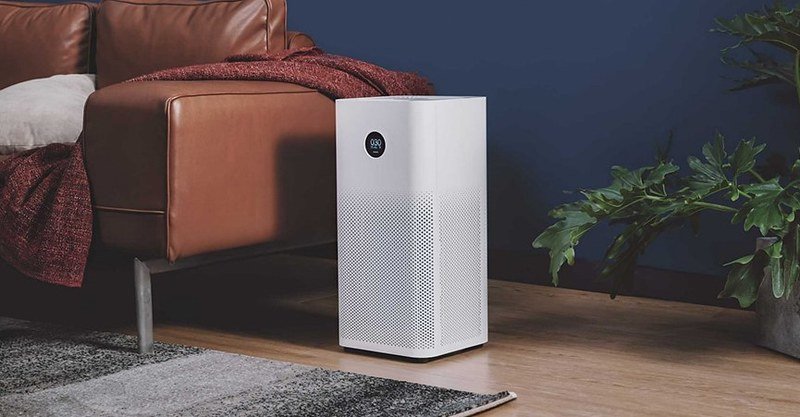
Here are the best ways to improve indoor air quality at home and make yourself healthier in the process.
Get Rid of Allergens
Do you know what’s lurking in your home? We spend a third of our lives indoors, but it’s impossible to tell what type of air we’re breathing. The number of allergens in our homes can influence our health and wellbeing.
The effects of allergens include:
- Sneezing
- Red rash
- Itchy, watery eyes
- Wheezing
- Coughing
- Swollen lips
Fortunately, there are simple things you can do to improve indoor air quality—and they don’t cost much or take much time.
Read Also:
Deep Clean Your Carpets
Carpets act as filters for our homes. Dust and other pollutants get trapped in them, but with regular vacuuming, most of that dust is contained before it gets into your home’s air supply. If you want to be green when it comes to indoor air quality, consider deep cleaning your carpets every year or two.
Although professional carpet cleaning can be expensive, try looking up a green business in your area. You may find an alternative that’s less costly and as effective. You might also want to invest in a vacuum with strong suction.
Check the vents because they are always a good place to start when improving indoor air quality. They introduce outside air inside. However, that doesn’t mean ducts are always used correctly.
Use Natural Cleaners to Improve Indoor Air Quality
If you want to improve indoor air quality, switching over your household cleaners is an excellent place to start. Chemical-laden products release volatile organic compounds (VOCs) into our homes.
If you’re looking for sustainable home cleaning, it’s best to look for natural options that don’t contain artificial fragrances or harmful chemicals.
Baking soda and vinegar are great cleaners that can replace standard commercial products. Just be sure to rinse off any surfaces where you use them, as these ingredients may dull certain finishes if left on too long.
In addition, replace your dryer sheets with reusable wool dryer balls; they’ll help reduce static and are far less toxic than commercial dryer sheets.
Keep Pets Out
Pets can carry allergens on their fur and dander, which means keeping them outside is one of your best options for improving indoor air quality. But as an animal lover, that probably doesn’t sit well with you.
Luckily, other smart homeowners are out there looking for ways to improve air quality that don’t involve giving up pets entirely.
First off, if you choose between wood or ceramic floors versus carpeting for your home flooring, it’s better to select natural surfaces. Pet fur gets trapped in carpets more easily than wood or tile floors.
If you already have carpeting in your home, make sure it is vacuumed regularly and get a natural air sanitizer.
Check Out Energy Saving Light Bulbs
Energy-efficient light bulbs are a simple and affordable way to make a big impact on your energy use. And, while it’s great that they can reduce carbon emissions, it’s their benefit for indoor air quality that’s particularly important here.
When you convert your light bulbs over to CFL or LED bulbs, you’re also reducing your exposure to potentially harmful chemicals like mercury and lead.
Consider Installing a Heat Recovery Ventilator (HRV)
Most newer homes have a heat recovery ventilator installed, but it’s still a good idea to research whether your home has one or not. If not, look into installing one. A heat recovery ventilator helps reduce carbon dioxide levels and filter out bad odors and pollutants in your house.
It works by recycling air from inside your home and bringing fresh air into your house. It’s an easy way to improve indoor air quality cost-effectively. You can either install an HRV yourself or contact a contractor.
Run An Air Purifier
Many of us spend a lot of time inside our homes, which means we need to ensure that our indoor air quality is up to par.
It’s especially important in areas where young children or elderly adults are more susceptible to allergens and other irritants, as these things can aggravate allergies and respiratory conditions.
Fortunately, there are several ways that you can improve your home’s air quality on a budget. For example, a smart homeowner could purchase an air purifier that utilizes the best filters
Check Out What’s Going on Outside
The best way to keep your indoor air quality high is by making sure your home isn’t leaking in toxins and pollutants. Spend some time cleaning out your garage, gardens, patios, and every other space outside the house.
If you use your lawnmower, run it on cleaner fuel or buy a newer model designed with advanced emission reduction technology. You’ll be improving both indoor and outdoor air quality and saving money on energy bills.
You also need to invest in doors and windows that do not allow outside air to mix with the indoor one. Once in a while, call in an expert to inspect the house for any air leakages.
Get Help With Indoor Air Quality
If you have been trying to improve the indoor air quality in your home with little success, you do not have to worry.
You only need to invite a professional to your house and let them check for what could be causing the poor air quality. They will also recommend the things that you can use to make the situation better.
If you need more articles like this, our website has enough materials for you to read.