Table of Contents Show
Stucco is used for houses or buildings to provide a natural texture and style on walls. Some people use this as an interior since it can be applied with different colors and adds a designed finish.
It is made from cement, water, sand, and lime. Because of its durability, it is expected to last more than a decade if properly taken care of. It is also resistant to fire, molds, and termites, making it a popular wall finish on homes.
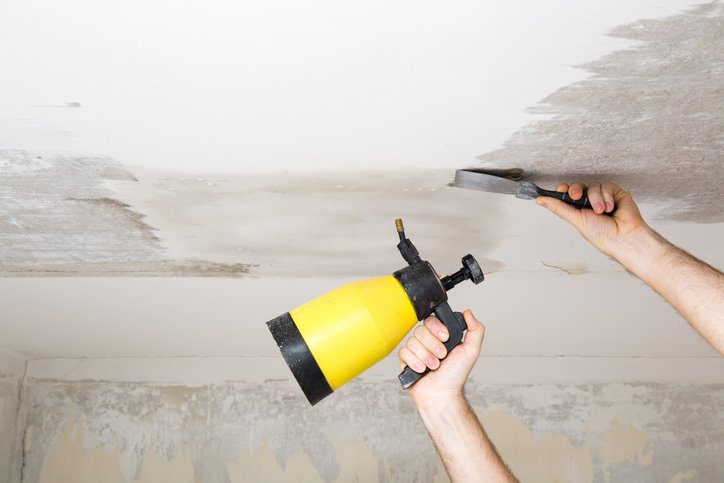
To keep the walls in good condition, stucco contractors should seal them to preserve and protect their appearance and quality. If the wall is left without a sealer for a long time, it may tear up and get worn down. Because the material is porous, it can absorb water, and sealing it will prevent moisture absorption.
What Stucco Sealer Should You Use
The best type to seal a stucco is a water-repellent sealer. Typically, these are made with silicone materials that penetrate through the surface to let water and other liquids absorbed by the wall bead off the surface. It blocks off the pores of the concrete to prevent water and moisture absorption.
You may also use a concrete sealer with the appropriate variety to work effectively on a stucco. If you are planning to repaint your walls, you need to use a sealant first as a primer and bonding agent before it gets painted.
Read Also:
How to Apply Stucco Sealer
If you are using it on your exterior wall, you need to check first if your exterior has faults. Stucco experts pronounce the importance of remedying any faults by sealing the cracks and filling holes with a good-quality filler before applying the sealer. After they are sealed, apply an elastomeric one to the wall.
For large walls, you can use a roller to apply the sealer, while you can use a paintbrush if you are sealing smaller parts of the wall. If you need to apply a second coat, allow the first coat to dry well before applying the second coat.
If you are unsure how to apply it, some stucco contractors can do it for you. Some contractors also offer sealing services once they have constructed your walls. They will also be able to perform a water-tightness test to assess the sealant’s effectiveness. To test the wall, water is sprayed on the surface for hours. Once the moisture meter detects no moisture, it means the sealant is effective and will be able to protect your home.
Benefits of Using a Sealant
Using a sealer provides a lot of benefits to your wall’s surface. Without it, your walls may show signs of damage or stains. If you are still not considering applying it, read through the benefits below:
Waterproofing
It creates a waterproof barrier for your walls to protect them from moisture that may lead to severe water damage. If you think your stucco is durable, once the water has seeped into small holes and cracks, it is enough to seriously damage your wall, and keeping it waterproof can prevent these problems.
Making Walls Breathable
Despite applying a sealant and moisture still seeping into your walls, the sealer will allow it to breathe so the trapped moisture can escape
Durability
As mentioned earlier, a sealant will also keep your walls durable. In general, stucco walls can crack, which may put your home’s structure at risk. The sealer prevents moisture from seeping in and gives an additional protective layer on the surface to prevent general damage. The sealer also fills in existing cracks and prevents them from getting bigger.
Surface Protectant
For areas with humid climates, a sealant may decrease the risk of mold and mildew accumulation. Molds and mildew can weaken your home structure and put your health at risk since they can trigger asthma attacks and other conditions. With the help of the sealant, your walls will be protected against the build-up of organisms.
Conclusion
If you plan to DIY the stucco sealing, get the appropriate and best quality stucco sealant, or you may contact stucco contractors to do the job since they are more knowledgeable and have the appropriate materials needed for the sealing.