Table of Contents Show
For centuries, stucco has been a go-to exterior design material covering many external surfaces in numerous cultures. Interested parties are invited to continue reading to learn about what this material is, how it is created, and the potential benefits it produces.

Overview
Stucco is a well-known construction material composed of several simple ingredients such as water, cement and sand.
The earliest application of the product dates back to the ancient Greek and Roman eras when artisans representing said cultures combined materials like gypsum, glue and marble dust to construct the famous frescoes and many other constructions each ethnicity is famous for.
That said, the material experienced a significant boon in use and application during the late 1800s. During this period, builders invented a hard, durable substance known as Portland cement.
The product soon became a standard stucco mixing ingredient, which rendered the substance much stronger and long-lasting than previous incarnations.
Since then, the material has evolved into one of the most popularly employed exterior decorative products in the world.
In fact, designs have become synonymous with the architectural styles of numerous Mediterranean nations, in addition to locations like Florida and the American southwest. That said, stuccos have also grown into architectural mainstays in many other cultures and regions.
The Application Process
The method employed by those specifically trained to apply stuccos is contingent upon the surface said material is intended to go on.
Read Also:
Wood
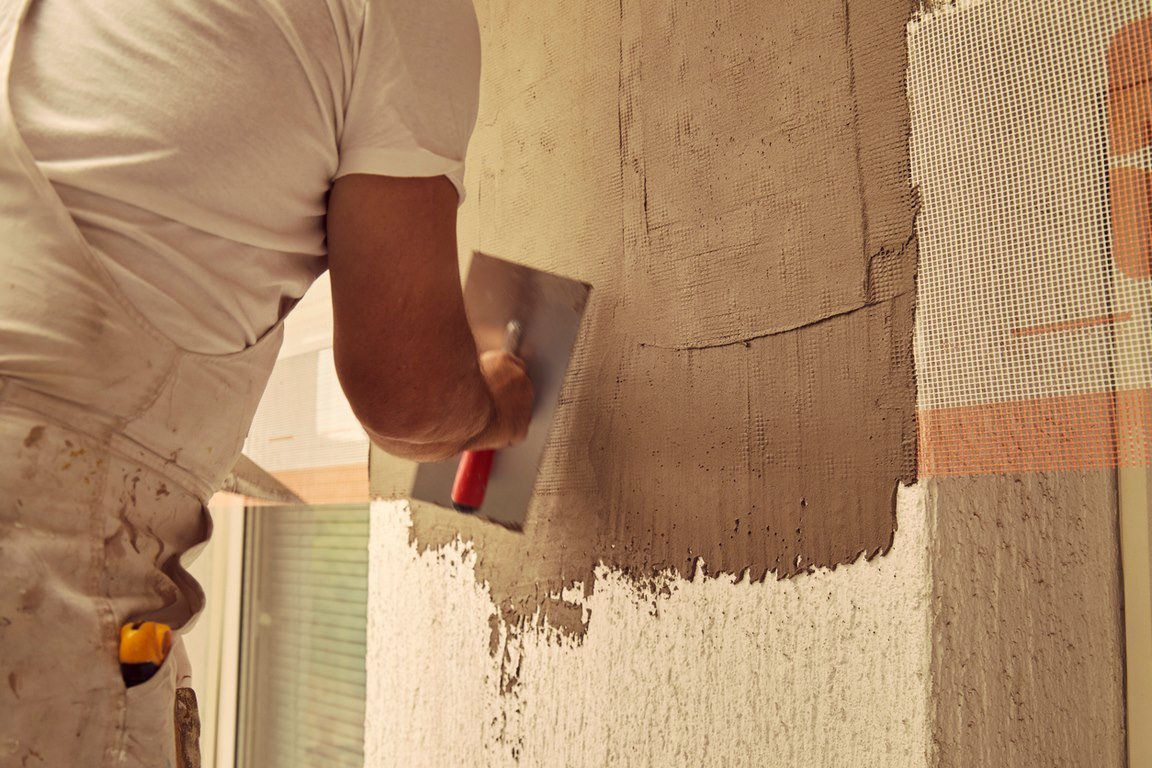
Stuccos administrated on wood surfaces are typically performed using the traditional approach. During this method, three separate coats are applied.
The initial stage is known as the scratch coat, which is placed over metal lath and affixed to a home’s wooden exterior.
The second coat, referred to in construction circles as the brown coat, enables the material to take shape.
Finally, the finish coat is laid down. Usually, the third and final coating is applied using trowels, which allow construction workers to etch the unique designs stuccos are noted for.
Hard Surfaces
Harder surfaces like concrete and brick receive two coats. Before beginning the application process, designers place adhesive materials upon the surface to expedite the bonding process. Once said substance dries, two coats are administered.
Associated Benefits
Stuccos offer homeowners several financial and aesthetic benefits, including:
Optimal Insulation
The thick layers produced by stuccos render said substances superior insulators. This attribute is valuable regardless of the climate the property in question is situated in. Solid insulators keep either warm or cool external air from penetrating internal structures.
As a result, interior air temperatures remain steady. Said event limits the stress placed on air processing devices like heaters and air conditioners. At the end of the month, homeowners will not witness steep or consistent hikes in their utility charges.
Appearance
Many homeowners and construction experts hold the unique etchings stuccos produce of the highest aesthetic quality.
These designs often enhance a home’s curb appeal, a real estate principle stating that an individual formulates an opinion about a property after viewing said construction from afar.
Homes with more favourable curb appeal are often assigned a greater market value. Furthermore, such structures typically remain on the market for much shorter durations than residences lacking these attributes.
Durability
Stuccos are considered resistant to potentially detrimental issues such as rotting, mould development, and insect infestation. Moreover, the material is far more fire-resistant than several other exterior siding options.
Sound Abatement
The thickness of stucco makes said materials optimal for sound abatement. Residents of homes outfitted with said products often hear less outside noise or at lower volumes.
Limited Maintenance
Stuccos typically retain their colour structure for long periods. Therefore, it does not typically necessitate frequent applications of paint.