Table of Contents Show
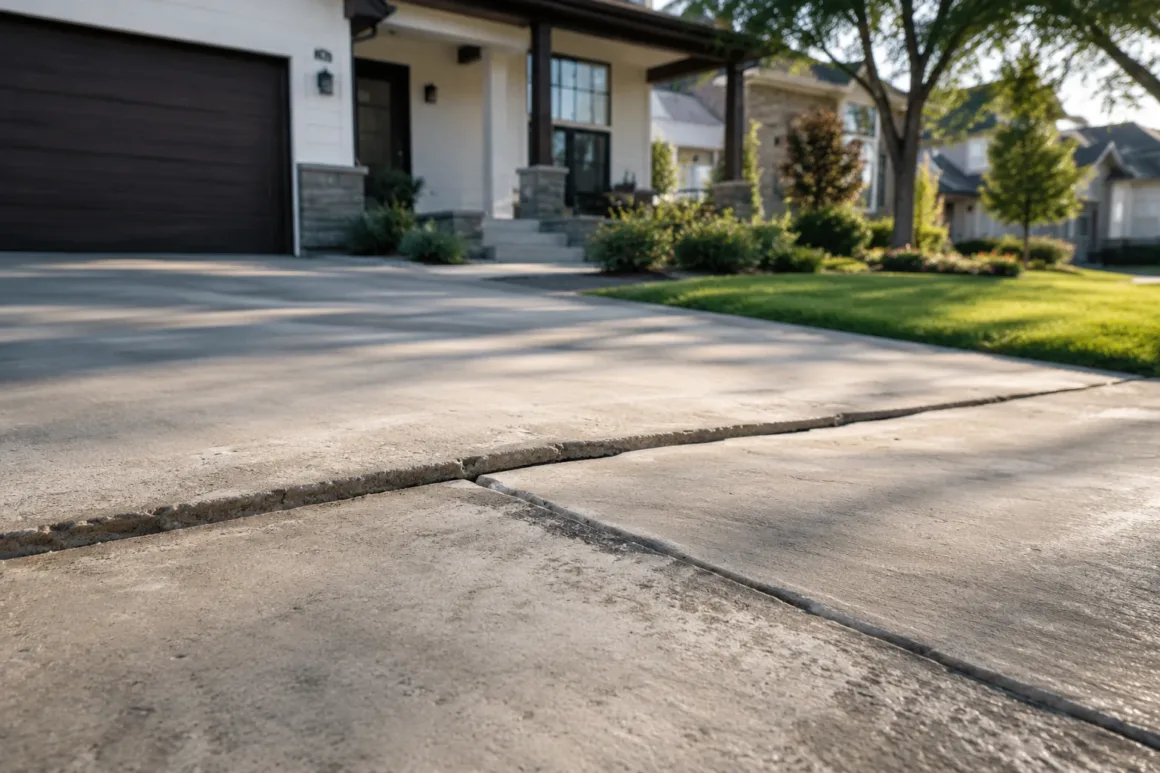
A driveway that used to feel smooth develops a shallow dip near the garage. One corner of the patio no longer sits flat beneath a chair. Along the sidewalk, two concrete panels that once met evenly now leave a raised edge that’s easy to catch with the toe of a shoe. Most people notice the change only after it has become part of everyday life.
Many homeowners assume a sunken slab has to be replaced. It isn’t the only option. When the concrete is still in good condition, concrete leveling and lifting can raise the slab back into position without tearing it out and pouring new concrete.
The concrete you see isn’t always where the problem starts. Soil can settle, wash away, or shift, leaving parts of the slab without the support they once had. Whether the slab can be lifted or replaced depends on what’s happening beneath it.
Why Concrete Sinks and Shifts
A concrete driveway, patio, or sidewalk can last for decades. The ground beneath it changes long before the slab reaches the end of its service life.
Every slab rests on compacted soil prepared before the concrete is poured. That layer carries the weight of parked vehicles, patio furniture, and daily foot traffic. When the soil shifts or washes away, the slab loses the support it was built to sit on.
Rainwater doesn’t need much time to change the ground beneath a slab. Water slipping through joints or small cracks carries fine soil away until empty spaces begin forming below the concrete. The surface can look perfectly level while those gaps continue growing.
Not every slab settles because soil washes away. Sometimes the ground wasn’t compacted well before the concrete was poured. Years of traffic and the weight of the slab compress the soil until the surface begins to sink.
Tree roots can lift concrete as they grow. Once those roots decay, they leave empty spaces that allow the surrounding soil to settle.
In colder climates, freezing and thawing create another source of movement. Moisture trapped in the soil expands as it freezes, then contracts when temperatures rise. Repeated freeze-thaw cycles leave the slab without even support.
Two driveways can develop similar cracks for completely different reasons. Looking at the surface tells only part of the story. The ground beneath the slab explains the rest.
The Real Risks of Ignoring Uneven Concrete
People adjust to uneven concrete faster than they realize. They step over the raised edge in the driveway or avoid the low corner of a patio without giving it much thought. Visitors see the surface for the first time, making those changes much easier to miss.
A height difference of less than an inch can still cause problems. A stroller wheel may stop at the edge of a sidewalk panel. Someone carrying groceries might not notice the change until a foot catches the uneven joint.
Uneven concrete also changes the way water drains. A patio or driveway is built with a slight slope so rain moves away from the house. Once part of the slab settles, water collects beside the foundation or remains on the surface long after the surrounding concrete has dried. If movement extends beyond the slab itself, it’s worth reading about house leveling, since uneven concrete and foundation movement can share similar warning signs.
The ground doesn’t stop moving simply because the surface is ignored. As the soil shifts, nearby steps, adjoining walkways, retaining walls, and connected slabs may begin changing as well. Repairing one uneven section is far simpler than repairing several areas after the movement has spread.
How Concrete Leveling and Lifting Actually Works
Not every sunken slab needs to be replaced. If the concrete is still solid, lifting it back into position may solve the problem without removing the existing slab.
Mudjacking, also called slabjacking, has been used for decades. Small holes are drilled through the slab before a cement-based slurry is pumped underneath. As the empty space fills, the concrete rises back into position. The holes are then patched, leaving the original slab in place.
Polyurethane foam reaches the same goal with a different material. Injected beneath the slab, the foam expands into empty spaces, lifts the concrete, and hardens into a stable base.
Both methods lift the slab without replacing it. Choosing between them comes down to the condition of the concrete and what’s happening underneath.
An uneven driveway or patio doesn’t always need to be torn out. When the concrete remains structurally sound, restoring the support beneath it may keep the slab in service for years to come.
When Leveling and Lifting Makes Sense
An uneven slab doesn’t always need replacement. Some slabs have settled with the soil beneath them, while others have deteriorated beyond repair. The condition of the concrete determines whether lifting is still an option.
Leveling works when the slab is still structurally sound. Instead of replacing the concrete, the repair restores support beneath it and lifts the slab back into place.
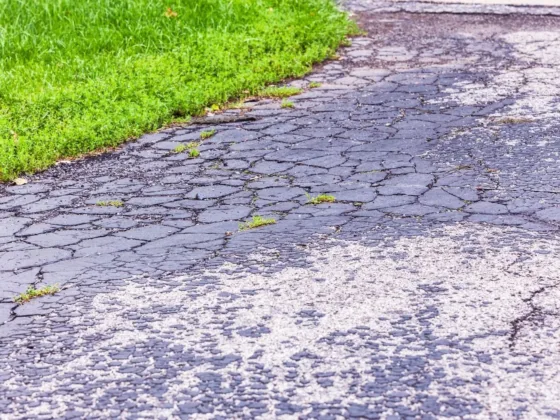
Replacement becomes the better choice when the slab itself has failed. Wide structural cracks, severe deterioration, or concrete that breaks apart during lifting can’t be corrected by restoring the soil beneath it. Building a new slab provides a more dependable result.
Fixing the slab without fixing the cause rarely solves the problem for long. Water leaks, poor drainage, and growing tree roots continue changing the soil beneath the concrete until those conditions are addressed. If movement extends beyond patios or walkways, it’s also worth reading Crucial Facts to Know about House Leveling Before You Opt for It for a broader look at how shifting ground can affect a home’s structure.
Keeping a Repaired Slab in Good Shape
Leveling restores the slab, but the ground around it still needs attention. Water should drain away from the concrete instead of collecting beside it, and expansion joints should remain sealed so moisture doesn’t reach the supporting soil.
A quick walk around the property after heavy rain can reveal changes before they become expensive repairs. Standing water, widening joints, or fresh movement between neighboring slabs all suggest that the ground underneath deserves another look.
A settled slab doesn’t automatically need to be replaced. When the concrete remains structurally sound, restoring the support beneath it can extend its service life for many more years. Repairs last longer when the movement beneath the slab has been corrected as well.
Author & Editorial Review
Author: Perla Irish is the Content Manager at DreamlandsDesign, where she writes about home improvement, remodeling, renovation planning, outdoor living, and practical home maintenance.
Editorial Review: The DreamlandsDesign editorial team reviewed this article for factual accuracy, editorial consistency, readability, and practical relevance. Every section was evaluated to ensure the guidance reflects real-world concrete maintenance and repair considerations while meeting DreamlandsDesign’s editorial standards.