• Home Improvement
    • DIY
    • Remodeling
    • Woodworking
    • Home Design
      • Furniture
      • Organize
      • Tips
      • Decor
        • Interior
        • Exterior
    • Design Ideas
      • Bathroom
      • Bedroom
      • Dining Room
      • Living Room
      • Kitchen
  • Gardening
    • Backyard
    • Front Yard
    • Landscaping
  • Building Staircase
  • Categories
    • Home Improvement
    • Decor
    • Gardening
    • Woodworking
    • Lifestyle
    • Green Living
    • Real Estate
Dream Lands Design
  • Home Improvement
    • DIY
    • Remodeling
    • Woodworking
    • Home Design
      • Furniture
      • Organize
      • Tips
      • Decor
        • Interior
        • Exterior
    • Design Ideas
      • Bathroom
      • Bedroom
      • Dining Room
      • Living Room
      • Kitchen
  • Gardening
    • Backyard
    • Front Yard
    • Landscaping
  • Building Staircase
  • Categories
    • Home Improvement
    • Decor
    • Gardening
    • Woodworking
    • Lifestyle
    • Green Living
    • Real Estate
Featured of The DIY Mold Removal Guide

The DIY Mold Removal Guide

  • Perla Irish
  • February 7, 2019
Total
3
Shares
0
0
3
0
0
Table of Contents Show
  1. The DIY Mold Removal Guide
    1. Tea Tree Oil
    2. Vinegar
    3. Hydrogen Peroxide
    4. Baking Soda
    5. Citrus Seed Extract and Water

If the environment is humid, then mildew and mold are things that will naturally come. However, that doesn’t mean you have to sit around and suffer the spores.

You also don’t have to go for some harsh chemicals that themselves are potential health hazards, such as borax and bleach.

The DIY Mold Removal Guide
DIY Mold Removal Guide

The DIY Mold Removal Guide

There are powerful natural mold remediation methods you can use to your advantage. Here are five of the most important ones:


Read Also:

  • How to Clean Microwave With Lemon and Baking Soda?
  • Tips on How to Remove Mold Effectively from Your Home
  • 7 Reasons to Opt For Professional Mold Removal

Tea Tree Oil

This is a very effective mold removal solution. However, it will generally cost you more than the other natural solutions out there so you might have to consult with your budget.

The beauty of it is that it is very powerful and only a small amount is needed.

You need to mix 2 tsp of tea tree oil with 16 oz of water, and you have a solution that will last you a very long while. Spray it onto the infected areas without rinsing.

The solution also comes with a very strong scent. It will go away in a few days, however, so you don’t have to feel discomfort for too long.

Vinegar

vinegar - The DIY Mold Removal Guide
Vinegar (The DIY Mold Removal Guide)

Vinegar is an affordable natural mold remediation solution. While you could dilute it with water if you wanted, it works best when you spray it directly onto the infected area.

You should leave it there for a couple of hours to set and then scrub off the mold with a strong brush.

You may be bothered by the strong smell of vinegar. In that case, you can mix the vinegar with a few drops of essential oil. However, this isn’t necessary because the smell goes away after a few hours.

Vinegar kills off most of the mold spores and also bacteria and viruses. It also acts very well as a preventative agent if you spray it on an area and leave it for a while to dry. Mold is unlikely to grow there.

Hydrogen Peroxide

Spray the hydrogen peroxide onto the infected surface and let it for about 20 minutes. You should then scrub the surface with a brush and then wipe it away with a damp and clean cloth to remove any spores that have been left behind.

You could also mix the hydrogen peroxide with vinegar and store the mixture in a dark area. Exposure to light makes hydrogen peroxide less effective.

Baking Soda
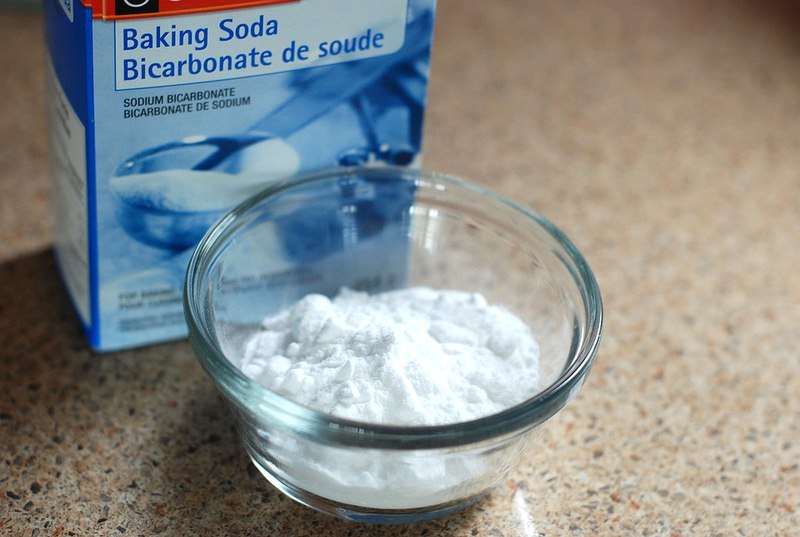
Baking soda - DIY Mold Removal Guide
Baking Soda (DIY Mold Removal Guide)

You can either mix baking soda alone with water or with vinegar and water. It is quite effective when used on the mold. Dissolve it into a mixture of water and vinegar and spray it onto the infected surface.

Give it time to set, then scrub off with a brush and clean away any remaining spores with a damp and clean cloth. It is mildly scented when used on its own so that you won’t have to worry about the smell.

Citrus Seed Extract and Water

A citrus seed extract has one major advantage over the other solutions on this list, and that is that it does not have a strong smell.

Mix 20 droplets of the extract with two cups of water and spray onto the mold from a bottle. Do not rinse.

Total
3
Shares
Share 0
Tweet 0
Pin it 3
Share 0
Share 0
Previous Article
Featured of Five ways that can be useful in reducing the cost of tree removal

5 Ways You Can Reduce the Cost of Tree Removal

  • Perla Irish
  • February 5, 2019
View Post
Next Article
Featured of How to Stain and Brighten Your Wooden Fence

How to Stain and Brighten Your Wooden Fence

  • Perla Irish
  • February 8, 2019
View Post

Subscribe

Subscribe now to our newsletter

You May Also Like
Luxury herringbone paver driveway with charcoal border enhancing curb appeal
View Post

Paver Driveway Patterns and Borders That Lift a Home’s Curb Appeal

  • July 25, 2026
Woman comparing home décor products on an online marketplace before buying furniture and decorative accessories.
View Post

Buying Home Décor Online: How to Choose a Trustworthy Marketplace and Shop with Confidence

  • July 23, 2026
Family reviewing a moving checklist beside a moving truck before a cross-country move to their new home.
View Post

How to Move Cross-Country Without Letting Small Decisions Become Expensive Mistakes

  • July 18, 2026
View Post

A Well-Designed Home Needs Space Beyond the Garage

  • July 15, 2026
Rug for Bedroom Interior
View Post

How to Choose the Perfect Rugs for Bedroom Interiors

  • July 15, 2026
View Post

The Key to Good Interior Design Is Balancing Privacy Against Natural Light

  • July 15, 2026
Modern humidifiers for maintaining healthy indoor moisture levels at home
View Post

Why Choosing the Best Humidifier Matters for Your Home Environment

  • July 12, 2026
Homeowner inspecting plumbing supply lines and shutoff valves beneath a kitchen sink during preventative maintenance
View Post

Why Preventative Plumbing Maintenance Saves Homeowners Money

  • June 23, 2026

Leave a Reply Cancel reply

Your email address will not be published. Required fields are marked *

  • About
  • Privacy Policy
  • Terms of Use
  • Disclosure
  • Sitemap
  • Contact Us

Input your search keywords and press Enter.