Table of Contents Show
Most homeowners get this backward: they design the house first, then try to make it fit the land.
That approach creates higher costs, design compromises, and long-term limitations that are difficult to fix later.
The lot decision comes first. It determines construction cost, layout flexibility, utility access, and even future property value.
If the lot doesn’t work, nothing built on it works efficiently either.
Most expensive homebuilding mistakes don’t come from design—they come from choosing the wrong land.
These early decisions often shape everything that follows, including renovation planning and long-term upgrades.
Quick Answer: What Makes a Good Lot?
- Stable soil confirmed by a soil test
- Compliant with local zoning laws and building codes
- Access to utilities (water, electricity, sewer, drainage)
- Favorable orientation for sunlight and energy efficiency
- Low site development cost (minimal grading, clearing, or structural adjustment)
If one of these fails, the lot becomes a long-term cost problem rather than an asset.
Good Lot vs. Problem Lot: What Actually Changes
Most lot decisions fail for the same reasons. This comparison shows where the difference actually starts.
| Factor | Good Lot | Problem Lot |
|---|---|---|
| Soil Condition | Stable soil with minimal preparation needed | Weak or shifting soil requiring engineered foundation |
| Zoning Compliance | Fully aligned with intended home design | Restrictions that force redesign or limit size |
| Utilities Access | Connected to water, electricity, and sewer systems | Requires septic, well, or utility extensions |
| Site Development Cost | Minimal grading and preparation | High costs for clearing, leveling, and structural work |
| Orientation | Supports natural light and energy efficiency | Poor sunlight exposure and higher energy use |
| Surroundings | Stable neighborhood with predictable conditions | Future development risk or noise issues |
| Long-Term Value | Supports resale value and usability | Limits buyer appeal and increases future costs |
The difference is not always visible at purchase—but it becomes obvious during construction and over time.
Start With the Land Conditions—Not the Visual Appeal
A lot can look ideal and still be difficult to build on. What matters is not appearance, but performance.
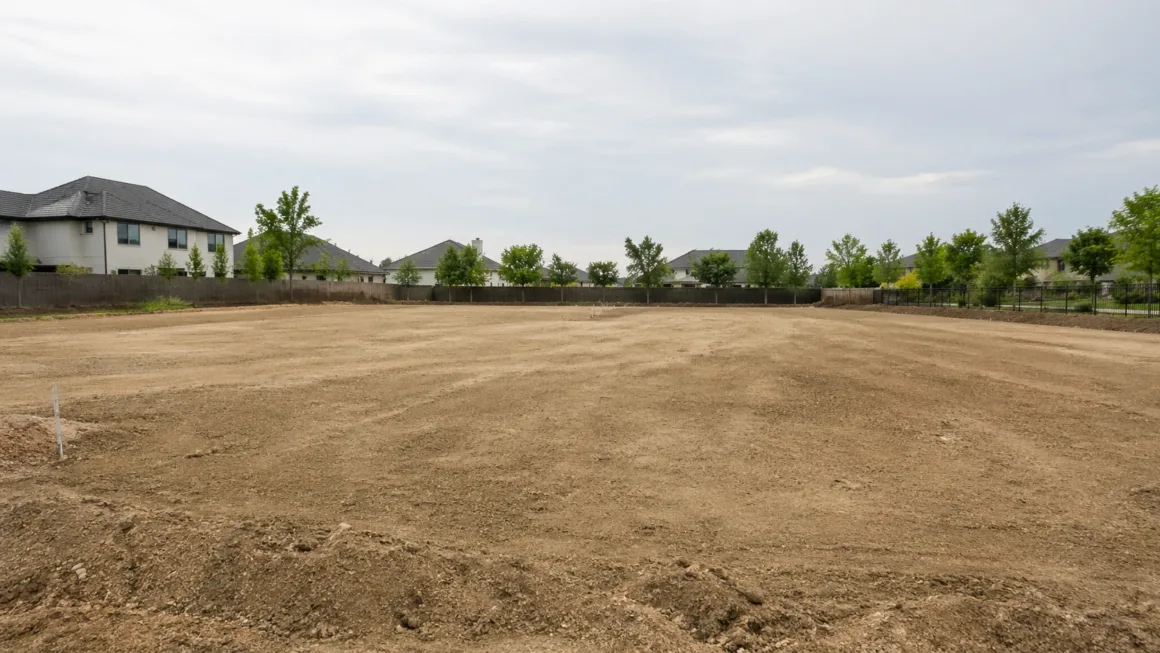
Slope, drainage, and soil composition directly affect foundation design and construction cost. Sloped lots often require retaining walls and grading. Weak soil conditions may require engineered solutions before building permits are approved.
This is where budgets begin to stretch without obvious warning.
A proper soil test and land survey reveal structural risks, drainage behavior, and boundary accuracy. These are standard steps in professional site evaluation, not optional add-ons.
This is where most projects go wrong early. Clear land planning decisions prevent cost escalation before construction even starts.
Zoning Laws Will Define What You Can Build
Every lot is governed by local zoning regulations and building codes. These rules determine what is legally possible—regardless of your design plans.
- Setback requirements (distance from property lines)
- Height restrictions
- Minimum and maximum building size
- Permitted structures and usage
Ignoring zoning constraints leads to redesigns, permit delays, or unusable land.
In many cases, zoning limitations influence long-term property appraisal value more than interior upgrades.
Utilities and Access Determine Real Cost
A lower purchase price often shifts cost elsewhere—usually into infrastructure you didn’t plan for.
If utilities are not already connected, installation becomes part of your build scope.
- Septic systems instead of sewer connections
- Well installation for water supply
- Electrical and gas line extensions
These are not minor upgrades—they are infrastructure decisions.
Road access also affects construction logistics, permitting, and long-term usability. Limited access increases both cost and complexity.
These early infrastructure issues often connect to early system planning issues that show up later in home performance.
This is where many “good deals” quietly become expensive builds.
Orientation Affects Energy and Daily Comfort
The direction your home faces influences natural light, temperature control, and energy consumption.
- Consistent sunlight exposure reduces reliance on artificial lighting
- Window placement improves ventilation and thermal balance
- Outdoor areas become more usable with predictable sun patterns
This is a structural advantage, not a design preference.
Surroundings Influence Long-Term Value
The lot is only part of the equation. The surrounding environment affects livability and resale potential.
- Future developments in nearby land
- Traffic, noise, and environmental conditions
- Neighborhood consistency and upkeep
- Proximity to daily infrastructure and amenities
Local planning data often reveals changes that aren’t obvious during a visit—but can redefine how livable the property feels later.
Hidden Costs Are Where Most Budgets Break
The purchase price is only the starting number. Site development cost defines the real investment.
- Land clearing and excavation
- Grading and leveling
- Driveway construction
- Permit fees and building approvals
Even future upgrades depend on early land conditions. For example, planning for outdoor additions or factoring in a hot tub cost requires proper site preparation from the beginning.
These decisions align with decisions that affect long-term home value, where early planning defines return on investment.
What Most Buyers Overlook When Choosing a Lot
Many buyers focus on price and location but overlook what actually determines long-term cost and usability.
The most common issues come from:
- Unstable soil requiring engineered foundations
- Zoning restrictions that limit design options
- Missing utilities that increase development cost
- Poor orientation affecting energy efficiency
These problems rarely appear during initial visits—but they define how expensive and flexible the project becomes later.
This is why two lots with similar prices can lead to completely different total costs.
Work With Professionals Who Understand Site Development
Land evaluation requires a different skill set than buying a finished home.
- Real estate agents experienced in land transactions
- Builders familiar with site development
- Surveyors or engineers for technical validation
Their role is to identify constraints before they become construction problems.
Rushed Decisions Lead to Expensive Corrections
Competitive markets create urgency, but urgency leads to overlooked risks.
- Visit the site at different times
- Walk the full property
- Review permits and documentation
- Compare multiple lots before deciding
Clear decisions come from evaluation, not pressure.
The Lot Determines Everything That Follows
A well-chosen lot supports construction efficiency, design flexibility, and long-term value.
A poor lot locks in limitations that no renovation can fully fix.
The difference rarely shows at purchase—but it defines whether your build stays efficient or becomes a series of adjustments.
Frequently Asked Questions
These are the questions most buyers ask—usually after they’ve already committed to the wrong lot.
What is the most important factor when choosing a lot?
The most important factors are soil stability and zoning compliance. If either fails, construction costs increase and design flexibility becomes limited.
Is a cheaper lot always a better deal?
No. Lower-priced lots often require additional spending on grading, utilities, or structural preparation. The total development cost is what matters—not the purchase price alone.
How do zoning laws affect my home design?
Zoning laws determine what you are allowed to build, including size, height, and placement. These rules can override your design plans and may require adjustments before permits are approved.
Why is lot orientation important?
Orientation affects natural light, energy use, and comfort. A well-positioned home reduces reliance on artificial lighting and improves indoor temperature balance.
What hidden costs should I expect when buying land?
Common hidden costs include land clearing, grading, utility installation, driveway construction, and permit fees. These costs can significantly exceed initial expectations if not evaluated early.
Author & Editorial Review
Author: Perla Irish is a design and home-focused writer covering interior materials, everyday homeowner decisions, and real-world performance of residential finishes in consultation with licensed contractors and industry standards where applicable. Her work emphasizes clarity, practical context, and long-term usability over trends or transactional advice.
Editorial Review: This article was reviewed by the DreamlandsDesign editorial team with a focus on homeowner decision-making psychology, behavioral context, accuracy, and long-term relevance. Content is evaluated to ensure balanced explanations, clear intent, and alignment with Google Helpful Content and E-E-A-T quality standards.
Last updated: April 2026