Table of Contents Show
Decorative wall finishes can transform a home in subtle but powerful ways. While standard paint provides color, specialized finishes add depth, texture, and character that elevate an entire space.
For homeowners looking to upgrade interiors without major renovations, these finishes offer a practical way to create a more refined and personalized environment.
What Makes Decorative Finishes Different
Traditional painting typically involves a uniform coat of color. Decorative finishes go further by incorporating technique, layering, and texture.
Common types include:
- Limewash finishes
- Venetian plaster
- Textured brush techniques
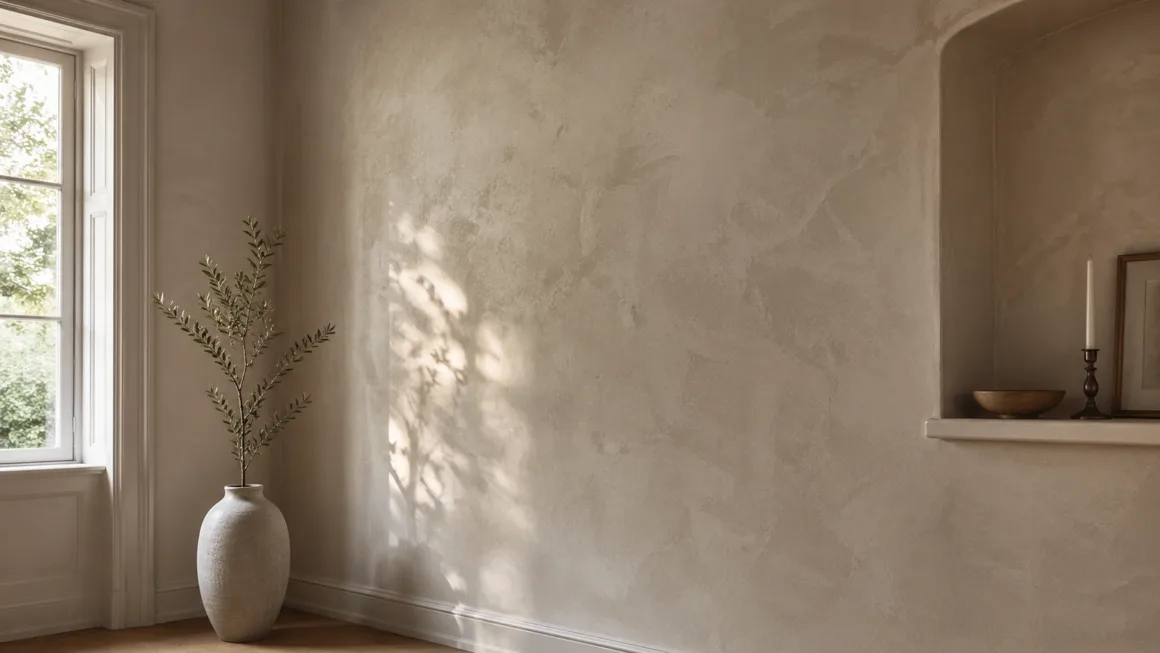
These methods create movement and variation, allowing walls to interact with light throughout the day instead of appearing flat.
The Subtle Impact of Texture and Depth
Texture plays a major role in how a room feels. Even slight variations in finish can change how light reflects across a surface, creating a softer and more dynamic atmosphere.
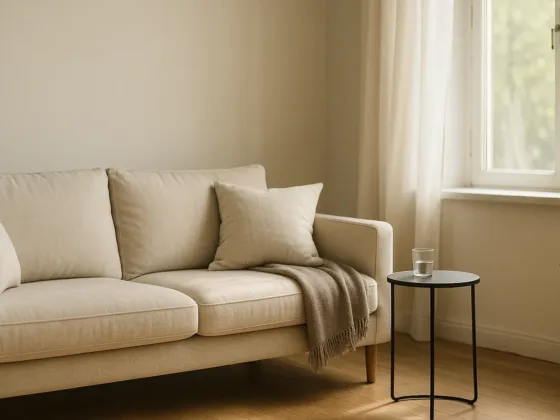
Unlike flat paint, decorative finishes add visual interest without requiring additional décor or furniture. This makes them especially effective in minimalist or neutral interiors.
How Finishes Influence Perception of Space
Well-executed wall finishes can influence how a space is perceived.
They can:
- Make rooms feel warmer and more inviting
- Add a sense of depth in smaller spaces
- Create focal points without clutter
Because walls are one of the largest surfaces in a home, their treatment has a significant impact on the overall design.
Choosing the Right Finish for Each Room
Not every room requires bold textures. The key is selecting finishes that match the function and mood of the space.
- Bedrooms: softer, calming finishes
- Living areas: subtle texture or feature walls
- Dining spaces: slightly richer tones or layered finishes
Lighting and room size should always guide the final decision.
What to Expect During the Process
Applying decorative finishes is more involved than standard painting.
The process often includes:
- Surface preparation
- Testing samples under different lighting
- Layered application techniques
This level of detail ensures a consistent and high-quality result.
Cost vs Long-Term Value
Decorative finishes typically cost more upfront than standard paint, but they offer long-term benefits.
- Greater durability
- Less need for frequent repainting
- Timeless aesthetic appeal
Rather than following short-term trends, these finishes often remain relevant for years.
Common Mistakes to Avoid
To achieve the best results, it’s important to avoid:
- Choosing finishes based only on trends
- Skipping proper surface preparation
- Hiring professionals without experience in specialized techniques
Attention to detail is essential for a successful outcome.
Why Craftsmanship Matters
Hand-applied finishes bring a level of individuality that cannot be replicated by mass production. Each application has subtle variations that make the space feel more natural and lived-in.
This craftsmanship is what separates a standard interior from one that feels thoughtfully designed.
Final Thoughts
Upgrading interiors doesn’t always require major structural changes. Sometimes, refining surfaces can have the biggest impact.
Decorative wall finishes offer a way to enhance depth, texture, and overall atmosphere while maintaining a timeless and cohesive design.
Author & Editorial Review
Author: Perla Irish is a design and home-focused writer covering interior materials, everyday homeowner decisions, and real-world performance of residential finishes in consultation with licensed contractors and industry standards where applicable. Her work emphasizes clarity, practical context, and long-term usability over trends or transactional advice.
Editorial Review: This article was reviewed by the DreamlandsDesign editorial team with a focus on homeowner decision-making psychology, behavioral context, accuracy, and long-term relevance. Content is evaluated to ensure balanced explanations, clear intent, and alignment with Google Helpful Content and E-E-A-T quality standards.
Last updated: April 2026