Table of Contents Show
A burst pipe or sudden water leak doesn’t give you time to think. The priority is simple: stop the damage fast. Calling an emergency plumbing service is usually the right move—but knowing what happens next makes the situation easier to control.
Most people don’t realize how quickly a small plumbing issue turns into structural damage—until it already has.
Here’s what actually happens when you call, how quickly help shows up, what drives the cost, and what you should do before anyone arrives.
Quick Answer: What Happens When You Call an Emergency Plumber?
- You describe the issue and get immediate instructions (often to shut off water)
- A technician is dispatched, usually within 30–90 minutes
- The plumber inspects the source of the problem, not just visible damage
- Temporary or full repairs are performed depending on severity
- You receive a cost estimate before major work begins
Emergency plumbing issues rarely stay contained. What starts in one part of the system quickly affects pipes, pressure balance, drainage flow, and connected fixtures.
What Actually Happens When You Call
The first step isn’t the repair—it’s triage.
When you call an emergency plumber, you’ll speak with a dispatcher or technician who needs to quickly assess risk and severity. Expect direct questions such as:
- Is the leak constant or intermittent?
- Has your water pressure changed suddenly?
- Is there visible damage (walls, ceilings, flooring)?
These questions determine how urgent your case is and what equipment the technician brings. Reaching a reliable emergency plumbing service early directly limits how much damage spreads before inspection begins.
You’ll usually be told to act immediately—shut off the main water supply first. That single step often reduces more damage than the repair itself.
How Fast Emergency Plumbers Actually Arrive
Most emergency services arrive within 30 to 90 minutes. That’s the realistic range—not a guarantee.
How fast they arrive depends on a few practical factors:
- Distance from the nearest technician
- Traffic conditions
- Time of day (late night is often faster)
- Demand (weekends and holidays are slower)
Delays matter. Water damage escalates quickly—especially with drywall, wood framing, and insulation. What starts as a small leak can turn into structural damage or mold within hours.
What the Technician Does First
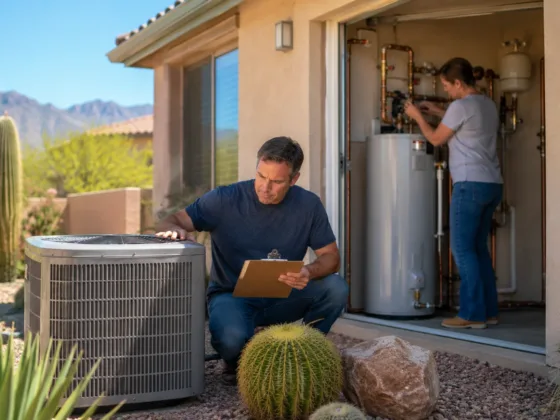
On arrival, a good technician doesn’t start fixing immediately—they diagnose.
Professional diagnosis focuses on how water moves through the system—pressure levels, flow direction, and potential failure points inside walls, floors, or connected fixtures.
Expect a structured inspection that includes:
- Locating the true source of the problem (not just visible symptoms)
- Checking for hidden moisture or secondary damage
- Using tools like inspection cameras or moisture meters
The goal is simple: fix the cause, not just the leak you can see.
Most Common Emergency Plumbing Problems
Emergency calls fall into a few predictable categories:
Burst Pipes
Often caused by pressure spikes, corrosion, or temperature shifts. These release water fast and require immediate shutoff.
Severe Clogs and Backups
Water backing up into sinks or toilets isn’t just inconvenient—it can become a sanitation issue quickly.
Water Heater Failures
Leaks, strange noises, or sudden loss of hot water often point to internal failure that won’t resolve on its own.
Overflowing Fixtures
Usually linked to deep blockages or sewer line issues. These need urgent attention to prevent contamination.
Emergency Plumbing Costs (What’s Actually Driving the Price)
Emergency service costs more than standard plumbing—and the reason is availability, not complexity.
Typical cost factors include:
- After-hours or weekend callouts
- Priority dispatch and fast response
- Specialized tools or immediate parts replacement
Most reputable plumbers explain pricing before starting work. If they don’t, that’s a red flag.
Costs are also influenced by how far the issue has spread beyond the original source, especially when water reaches structural materials like drywall, subflooring, or insulation.
What to Do Before the Plumber Arrives
This is where you can reduce damage significantly.
- Shut off the main water supply immediately
- Move furniture or valuables away from the area
- Contain water using towels, buckets, or containers
These steps won’t fix the issue—but they buy you time and limit repair costs. Problems tied to sudden drops in water pressure often signal deeper system stress that shouldn’t be ignored.
Choosing the Right Emergency Plumber (Even Under Pressure)
Urgency makes people choose fast. That’s where mistakes happen.
Focus on these signals instead:
- Licensed and verifiable experience
- Clear, recent customer reviews
- 24/7 availability that’s actually responsive
- Transparent pricing before work begins
A reliable plumber explains the problem and the fix. If they rush straight into work without clarity, that’s a risk—not a solution.
Early Warning Signs You Shouldn’t Ignore
Most plumbing emergencies don’t start as emergencies. They escalate.
- Slow drains that keep getting worse
- Unusual noises in pipes
- Water stains on walls or ceilings
- Sudden drops in water pressure
Ignoring these signs is what turns a manageable repair into an urgent call. Recurring issues like slow drainage or backups are often linked to broader system failures, as explained in common plumbing problems homeowners face.
Long-term prevention depends on consistent habits. Simple routines like those outlined in drain maintenance practices significantly reduce the risk of sudden failures.
Once those signals are ignored, the situation stops being a repair problem and turns into a damage-control scenario.
Why Emergency Plumbing Services Matter
Emergency plumbing isn’t just about speed—it’s about damage control. The faster the response, the lower the long-term repair cost and structural risk.
The real cost isn’t the plumbing repair. It’s what happens when you wait.
Water damage doesn’t stay contained. Once it moves beyond pipes into structural layers, it affects material integrity, indoor air quality, and long-term repair complexity.
Final Takeaway
When something goes wrong with your plumbing, hesitation is expensive. Knowing what to expect helps you act faster, ask the right questions, and avoid poor decisions under pressure.
The sequence is simple: control the water, call for help, and prevent escalation. What most people underestimate is how fast damage compounds once water starts moving beyond its intended path.
Author & Editorial Review
Author: Perla Irish is a design and home-focused writer covering interior materials, everyday homeowner decisions, and real-world performance of residential finishes in consultation with licensed contractors and industry standards where applicable. Her work emphasizes clarity, practical context, and long-term usability over trends or transactional advice.
Editorial Review: This article was reviewed by the DreamlandsDesign editorial team with a focus on homeowner decision-making psychology, behavioral context, accuracy, and long-term relevance. Content is evaluated to ensure balanced explanations, clear intent, and alignment with Google Helpful Content and E-E-A-T quality standards.
Last updated: April 2026